 Pork
3:26
Pork
3:26
Smoked Pork Money Muscle with Roasted Veggie Bisque
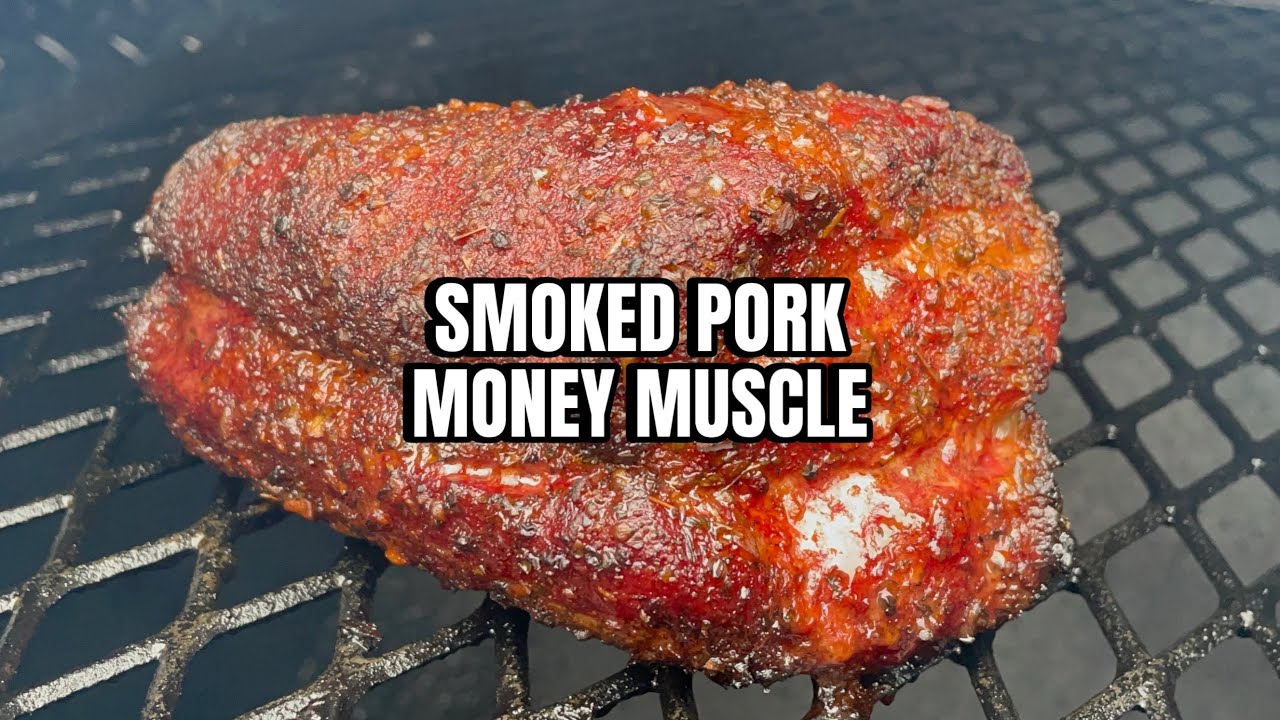
Hot-sauce-injected pork money muscle smoked to 203°F and sliced into medallions over a rich roasted vegetable bisque topped with green onion.
View recipe →A pork money muscle smoked over sugar maple, butter-wrapped, and sliced into juicy medallions finished with candied cranberry hot sauce.
Watch the full cook on YouTube
| Stage | Temp | What it means |
|---|---|---|
| Wrap point | 170°F / 77°C | Bark set. Foil with butter and sauce. |
| Probe tender | ~203°F / 95°C | Stop as soon as it gives — this is served sliced, not pulled. |
| Finish sauce | Off the heat | A candied sauce is sugar and would scorch on the smoker. |
| Rest | 20–30 minutes | Before slicing into medallions. |
Store the money muscle whole and unsliced with any juices from the wrap — a small cut dries out fast once sliced. It keeps 3–4 days refrigerated.
Reheat wrapped in foil at 250°F with a splash of stock or apple juice until warmed through. Because it is a shoulder muscle it reheats better than a lean cut, but a hard fast reheat still drives out the fat that took six hours to render.
It freezes for about three months. Freeze it whole rather than sliced, vacuum-sealed if possible, and thaw overnight in the fridge. Leftover money muscle chopped into a hash or a sandwich is excellent, and the finishing sauce keeps a week refrigerated.
The tubular muscle at the end of a pork butt nearest the bone. Competition cooks named it because it is the piece they turn in to the judges — it is the most marbled and most tender part of the shoulder, and it slices into neat medallions rather than pulling apart like the rest of the butt.
Most butchers do not sell it separately, so the usual route is buying a whole bone-in pork butt and separating it yourself. It lifts out along a natural seam at the end nearest the bone with very little knife work — and you still have the rest of the shoulder for pulled pork.
Sliced, into thick medallions. That is the whole point of separating it — its grain and marbling give a texture the rest of the shoulder does not have, and pulling it destroys exactly what makes it worth cooking on its own.
Around 203°F, but stop as soon as the probe slides in with no resistance. Because it is served sliced rather than pulled, going well past tender loses the structure — competition cooks often pull slightly earlier, around 195°F, for firmer medallions.
It keeps the surface moist and tacky, which helps smoke keep adhering, and it slows the bark setting so it develops more evenly. It does not meaningfully add moisture to the meat. Wait an hour or two before the first spritz so the rub has bonded, or you will simply wash it off.
Acidity and sweetness against fat. It is the same logic as apple sauce with pork or cranberry with turkey — a rich, fatty cut needs something sharp to keep it from feeling heavy, and fruit does that while adding sweetness that complements the meat.
No 500-word life story — just the good-to-know stuff on what’s actually in this cook. Here’s the rundown on every real ingredient, health and nutrition wise.
General nutrition info only, not medical or dietary advice — portions, brands and add-ons change the numbers.
Pork
3:26
Hot-sauce-injected pork money muscle smoked to 203°F and sliced into medallions over a rich roasted vegetable bisque topped with green onion.
View recipe → Pork
4:50
Pork
4:50
Smoked pork money muscle sliced thin and turned into the ultimate topping on a blazing-hot wood-fired pizza.
View recipe → Pork
8:08
Pork
8:08
Pork shoulders smoked low on an offset, braised in apple juice, tossed in Sweet with a Little Heat sauce, and stacked on toasted King's Hawaiian rolls.
View recipe → Pork
3:31
Pork
3:31
Party-style pork ribs smoked over apple wood, buttered, and glazed with Moon Mist Rimmer for a grape, banana, and bubblegum East Coast finish.
View recipe → Pork
4:23
Pork
4:23
BBQ basics done right — juicy, tender offset-smoked pork ribs over sugar maple with a butter wrap and a lacquered glaze.
View recipe →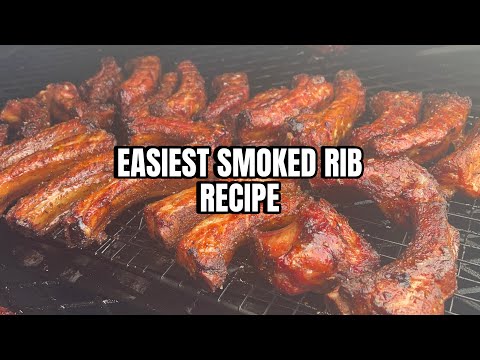 Pork
4:20
Pork
4:20
A rack of pork ribs portioned into individual party ribs, smoked then finished in a buttery, saucy foil tray until gooey and tender.
View recipe →