Saucy Rossy BBQ
Lamb

Smoked Lamb Neck Tacos

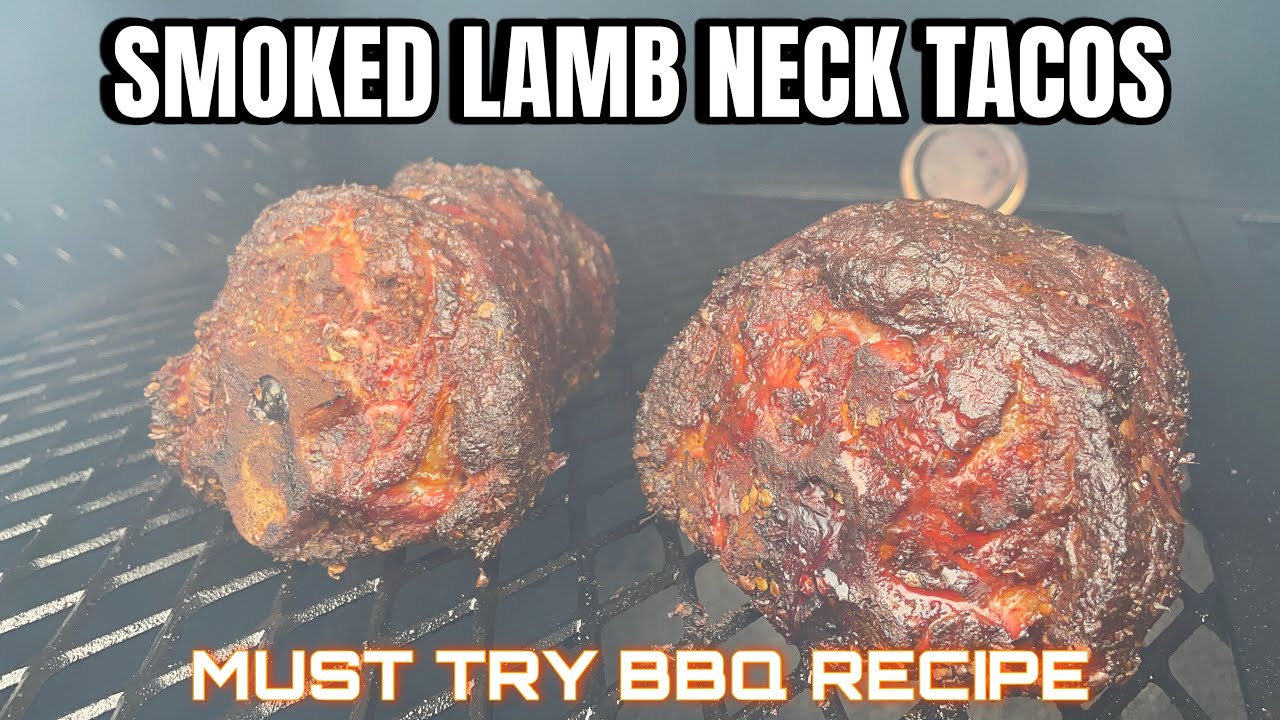
Underrated smoked lamb neck braised with rosemary, butter, and hot honey, then shredded into tacos with fire-roasted salsa.
TimeLow & slow Prep15 min YieldMakes about 12 tacos CategoryLamb Watch5:27
Smoked Lamb Neck Tacos — watch on YouTube

Watch the full cook on YouTube

Method

  1. 1Season the lamb necks with Coastal Cookhouse Chipotle BBQ Dry Rub and smoke on an offset over Nova Scotia sugar maple.Chipotle rub on lamb works because chipotle is a smoked jalapeño — it reinforces the smoke rather than competing with it. Sugar maple is mild enough not to fight a strong meat.
  2. 2At 170°F internal, place in a foil tray with chicken stock, rosemary, butter, and a generous drizzle of Stingin' Hot Honey.170°F is the wrap point: the bark has set and the meat has taken essentially all the smoke it is going to. Butter, stock and honey in the tray turn the rest into a braise.
  3. 3Braise to 203°F until the meat shreds beautifully.203°F is where collagen has converted to gelatin, and the confirmation is the meat letting go of the bone. There is no shortcut to it.
  4. 4Build tacos on corn tortillas with the shredded lamb, fresh toppings, and Fire Roasted Jalapeño Salsa.Warm the tortillas properly — a dry pan for thirty seconds a side. Cold corn tortillas crack and taste of nothing.

Watch it on YouTube

What each ingredient is doing

Lamb neck
Underrated and usually cheap. A hard-working muscle full of connective tissue, which makes it tough if rushed and exceptional if not. It shreds like pork shoulder when properly converted.
Chipotle BBQ dry rub
Chipotle is a smoked jalapeño, so the rub reinforces the smoke rather than fighting it. It also stands up to lamb, which needs a rub with some backbone.
Butter and hot honey (in the braise)
Butter puts fat back in and carries flavour; honey adds sweetness against a strong meat and heat behind it. Fruit and sweetness with lamb is a very old pairing.
Rosemary
The classic lamb herb, and it holds up to a long braise where softer herbs would vanish. Whole sprigs, pulled out before shredding.
Chicken stock
The braising liquid. Enough to create steam in the covered tray, not enough to submerge the meat.
Corn tortillas
Warmed in a dry pan for thirty seconds a side. Cold corn tortillas crack and taste of very little; warm ones are a different food.
Fire-roasted salsa
Roasting the peppers first concentrates them and adds char, which is why fire-roasted salsa tastes deeper than a raw one.

Temperature guide

StageTempWhat it means
Wrap at170°F / 77°CBark set, smoke absorbed. Into the tray.
Final target203°F / 95°CFull collagen conversion.
The real testMeat leaves the boneNeck is done when it lets go entirely.
Tortillas30 seconds a sideIn a dry pan, until pliable and spotted.
Rest before shredding20–30 minutesSo the juices settle back into the meat.

Pitmaster tips

  • Lamb neck is one of the best-value cuts at the butcher. It is full of connective tissue, which is exactly why it shreds so well when given the time.
  • Wrap at 170°F. That is where the bark has set and the meat has absorbed essentially all the smoke it will take.
  • Chipotle rub suits lamb because chipotle is a smoked jalapeño — it reinforces the smoke rather than competing with it.
  • Butter in the braise puts fat back in and carries flavour; honey brings sweetness against a strong meat. Both earn their place.
  • 203°F is the target and the meat letting go of the bone is the confirmation. There is no way to hurry collagen conversion.
  • Use whole rosemary sprigs and pull them out before shredding. Chopped rosemary in pulled meat is unpleasant to eat.
  • Warm the tortillas in a dry pan, thirty seconds a side. Cold corn tortillas crack and taste of nothing.
  • Skim the braise before adding it back. Lamb neck renders a lot of fat and it separates out clearly if you let it settle.
  • Rest 20–30 minutes before shredding so the juices settle rather than running out onto the board.
  • Sugar maple is mild enough not to fight lamb, which is already a strong-flavoured meat.

If it goes wrong

The lamb will not shred
Not finished. Collagen conversion takes hours above 160°F — back in the covered tray until it releases from the bone.
It is greasy
Lamb neck renders a lot of fat. Let the braise settle and skim it before folding any back through the meat.
It is dry
Too little braising liquid, or drained too thoroughly. Fold some of the skimmed liquid back through.
The tortillas cracked
Used cold. Warm them in a dry pan until pliable and lightly spotted.
It tastes too gamey
Lamb neck is a strong cut. More acid — a squeeze of lime and a sharper salsa — cuts straight through it.
The bark disappeared
Too much liquid in the tray. Enough for steam, not enough to submerge.

Ways to change it up

Add pickled onion
Quick-pickled red onion. Acidity against fatty lamb is the single best addition.
Cotija and cilantro
Salty cheese and fresh herbs, the standard taco finish and a good one.
Lamb shoulder
If neck is hard to find, shoulder takes the same treatment.
Flour tortillas
Softer and sturdier if you are loading them heavily.
Add a crema
Lime crema or plain sour cream to cool the chipotle heat.

What to serve it with

  • On warm corn tortillas.
  • Fire-roasted salsa and fresh toppings.
  • Lime wedges, which are not optional.
  • Pickled onion or a sharp slaw.
  • Cold beer.

Storage & reheating

Pulled lamb keeps 3–4 days refrigerated, stored with some of its braising liquid rather than dry. The fat sets solid when chilled, which is normal and re-melts on reheating.

Reheat covered at 275°F with a splash of stock, or in a pan on the stove. Fully converted meat reheats better than most barbecue, so leftovers are genuinely good rather than merely acceptable.

It freezes for three months. Portion it with a spoonful of braise in each bag, press the air out, and thaw overnight in the fridge. Leftover pulled lamb is excellent well beyond tacos — in a hash, over rice, or folded into a flatbread.

FAQ

Why is lamb neck worth cooking?

It is one of the cheapest cuts on the animal and one of the most rewarding. The connective tissue that makes it tough when rushed converts to gelatin over a long cook, giving meat that shreds like pork shoulder but with lamb's own flavour.

What temperature does lamb neck need to reach?

203°F, the same target as pork shoulder and beef chuck. That is where collagen has fully converted to gelatin. The confirmation is the meat letting go of the bone entirely — if it resists, it is not done.

When should I wrap the lamb?

At around 170°F internal. By then the bark has set and the meat has absorbed essentially all the smoke it is going to take, so the covered tray with stock, butter and honey turns the rest into a braise that finishes the collagen conversion.

Why warm the tortillas?

Cold corn tortillas crack when folded and taste of almost nothing. Thirty seconds a side in a dry pan makes them pliable, brings out the corn flavour and lightly chars the surface. It is the single easiest upgrade to any taco.

How do I stop it being greasy?

Let the braising liquid settle after the cook and skim the fat off the top before folding any of it back through the shredded meat. Lamb neck renders a great deal of fat, and it separates out clearly if you give it a few minutes.

Can I use lamb shoulder instead?

Yes, and it takes exactly the same treatment — same temperatures, same wrap point, same target. Shoulder is easier to find and slightly meatier; neck is cheaper and, once converted, arguably better.

Know your cook

More information, cause recipe back stories are stupid

No 500-word life story — just the good-to-know stuff on what’s actually in this cook. Here’s the rundown on every real ingredient, health and nutrition wise.

Chicken
Chicken is a lean, versatile source of complete protein, B vitamins (especially niacin and B6), and selenium. Skinless breast is leanest; thighs and skin add flavour and a little more fat. Always cook poultry to a safe 165°F.
Lamb
Lamb is a rich red meat high in protein, iron, zinc, and B12, plus useful omega-3s from grass-fed animals. It's flavourful and a bit fattier, so trim and portion accordingly.
Chili peppers
Chili peppers are low in calories and high in vitamin C and antioxidants, and their heat comes from capsaicin, which may give metabolism a small nudge. Dial the amount to your spice tolerance.
Honey
Honey is a natural sweetener that adds gloss and flavour; it's still sugar, so it's used sparingly. In raw form it carries trace antioxidants and beneficial compounds.
Butter
Butter adds richness and helps carry sauce into the meat, but it's high in saturated fat and calories, so it works best as a finishing touch rather than by the cupful.
Fresh herbs
Fresh herbs add aroma and flavour with virtually no calories, sodium, or fat, plus a small dose of antioxidants. They're one of the easiest ways to season without reaching for salt.
Tomato
Tomatoes bring bright acidity plus vitamin C and lycopene, an antioxidant that becomes more available when cooked. They lighten and balance rich, fatty barbecue.

General nutrition info only, not medical or dietary advice — portions, brands and add-ons change the numbers.

← All recipes