 Pork
3:26
Pork
3:26
Smoked Pork Money Muscle with Roasted Veggie Bisque
Hot-sauce-injected pork money muscle smoked to 203°F and sliced into medallions over a rich roasted vegetable bisque topped with green onion.
View recipe →A marbled boneless beef rib smoked brisket-style at 225°F, wrapped in foil with beef tallow, and taken to 203°F for melt-in-your-mouth slices.
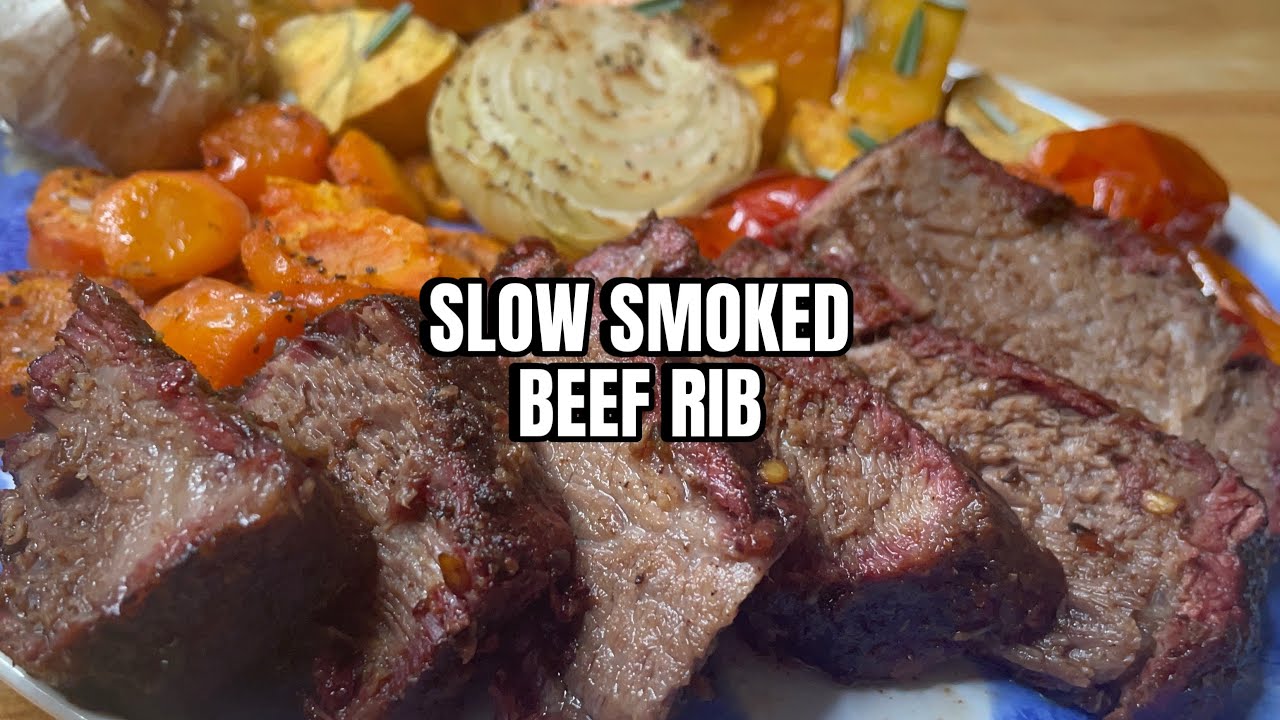
Watch the full cook on YouTube
| Stage | Temp | What it means |
|---|---|---|
| Wrap point | 165°F / 74°C | Bark set. Foil with tallow. |
| Probe tender | 198–208°F / 92–98°C | 203°F is the landmark. Feel beats the number. |
| Rest | 1 hour minimum | Before slicing, or you lose the moisture you protected. |
| Slice | Across the grain | The grain is coarse and obvious — find it before cutting. |
Slice only what you are serving and refrigerate the rest as a whole piece — sliced beef dries out several times faster than an unsliced chunk. It keeps 3–4 days in a sealed container, ideally with a spoon of the rendered juices poured over it. Reheat gently: 250°F wrapped in foil with a splash of beef broth until warmed through, which restores far more than a microwave does.
It freezes well for about three months. Vacuum-seal in portions if you can, and reheat straight from frozen in a sealed bag in barely simmering water — that is the single best way to bring smoked beef back, because it never exceeds the temperature it was cooked to.
Different goal entirely. A steak is tender already, so you cook it just enough. A boneless beef rib is full of collagen, which only breaks down into gelatin above roughly 160°F and needs hours there to do it. 203°F is not about doneness — it is about giving that connective tissue time and temperature to melt.
Evaporative cooling. As the surface moisture evaporates it pulls heat away almost as fast as the smoker puts it in, so the internal temperature plateaus — often for hours, usually somewhere around 150–170°F. Wrapping stops the evaporation and the temperature starts climbing again.
Foil is faster and gives a more tender, braised result but softens the bark. Butcher paper breathes, so it protects the meat while letting some moisture escape, keeping the bark firmer at the cost of a longer cook. This recipe uses foil because tenderness is the priority on a fatty rib.
They come from the same area but are cut differently. Boneless beef rib is usually the meat from the rib primal with the bones removed; short ribs are cut from the plate or chuck with the bone in and are typically fattier. Both suit the same brisket-style low and slow treatment.
Different goal entirely. A steak is tender already, so you cook it just enough. A boneless beef rib is full of collagen, which only breaks down into gelatin above roughly 160°F and needs hours there to do it. 203°F is not about doneness — it is about giving that connective tissue time and temperature to melt.
Foil is faster and gives a more tender, braised result but softens the bark. Butcher paper breathes, so it protects the meat while letting some moisture escape, keeping the bark firmer at the cost of a longer cook. This recipe uses foil because tenderness is the priority on a fatty rib.
No 500-word life story — just the good-to-know stuff on what’s actually in this cook. Here’s the rundown on every real ingredient, health and nutrition wise.
General nutrition info only, not medical or dietary advice — portions, brands and add-ons change the numbers.
Pork
3:26
Hot-sauce-injected pork money muscle smoked to 203°F and sliced into medallions over a rich roasted vegetable bisque topped with green onion.
View recipe → Beef
8:08
Beef
8:08
A three-bone rack of beef plate ribs smoked at 225°F over applewood, wrapped in butcher paper with beef tallow at 170°F, taken to 201°F and rested for up to two hours.
View recipe → Lamb
5:27
Lamb
5:27
Underrated smoked lamb neck braised with rosemary, butter, and hot honey, then shredded into tacos with fire-roasted salsa.
View recipe → Beef
4:47
Beef
4:47
A smoked beef tri-tip cooked like a brisket on an offset smoker — flavourful, tender, and far cheaper than a full packer.
View recipe →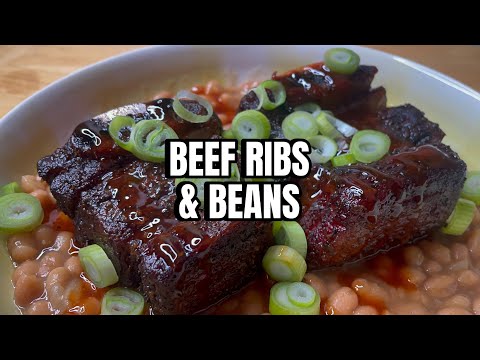 Beef
5:00
Beef
5:00
Meaty Vessel Meats short ribs smoked at 225°F until probe-tender, plated over Heinz Maple Beans and glazed with candied habanero hot sauce.
View recipe →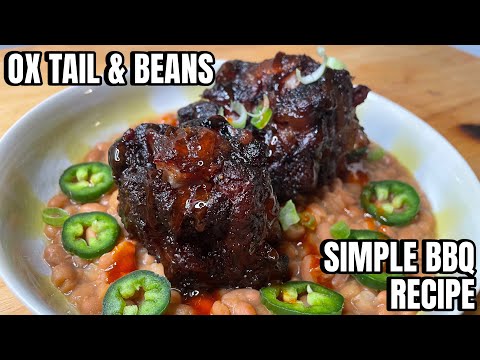 Beef
3:59
Beef
3:59
Fall-off-the-bone smoked oxtail over sugar maple, finished with PEI candied habanero hot sauce and served with maple beans.
View recipe →