Saucy Rossy BBQ
Sausage

Hot Honey Cured & Smoked Sausage

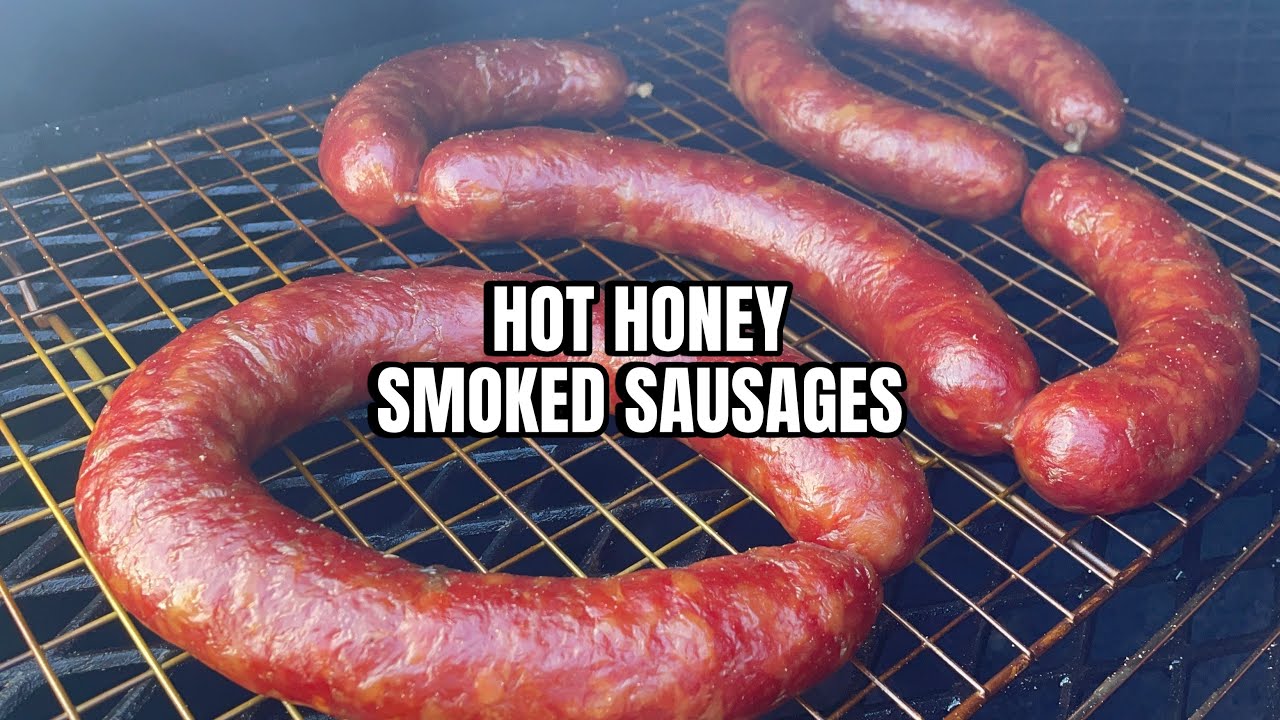
Homemade cured pork sausage seasoned with Halifax Honey Company Stingin' Hot Seasoning, smoked low and slow for sweet heat, juicy texture, and a perfect snap.
TimeLow & slow Prep1 hr YieldMakes 1 kg CategorySausage Watch5:30
Hot Honey Cured & Smoked Sausage — watch on YouTube

Watch the full cook on YouTube

Method

  1. 1Mix the Stingin' Hot Seasoning, kosher salt, and curing salt evenly into the pork — this ratio hits the proper cure level and about 1.6% salt — working the meat until it binds and turns tacky.The ratios here are worth understanding rather than just following. 13.5 g of kosher salt per kilo lands at about 1.6 percent, which is the standard seasoning level for sausage, and 2.5 g of Cure #1 is the exact rate that makes a low smoke safe.
  2. 2Stuff the sausage into casings and twist into links.Fill firmly rather than tightly. Casings shrink as they cook, and an overstuffed link splits down its length.
  3. 3Start the smoker low to dry the casings and let the sausages absorb smoke.Starting low dries the casings into a pellicle. Smoke adheres to a dry tacky surface and simply runs off a wet one.
  4. 4Gradually bring the smoker temperature up to 170–180°F to avoid fat-out and dry texture.The gradual climb is what prevents fat-out. Take the heat up too fast and the fat renders before the protein matrix has set, so it separates and runs out.
  5. 5Cook until the sausages reach 152–155°F internal.152–155°F is cooked and still juicy. Sausage past 160°F is noticeably drier and the texture goes grainy.
  6. 6Plunge the sausages into an ice bath to stop the cooking and lock in moisture, then dry before storing.The ice bath stops carryover dead and firms the casing, which is where the snap comes from. Dry them uncovered afterwards before storing.

Watch it on YouTube

What each ingredient is doing

Pork (1000 g)
Shoulder is ideal because it arrives around 70/30 lean to fat, which is roughly what a sausage needs. Grinding it yourself lets you control both ratio and temperature.
Kosher salt (13.5 g)
About 1.6 percent by weight, the standard seasoning level for sausage. It also drives protein extraction, which is what binds the sausage together.
Curing salt (2.5 g)
Cure #1 — 6.25 percent sodium nitrite. At 2.5 g per kilo it is the exact rate that makes a low-temperature smoke safe. Weigh it on a gram scale, never estimate.
Hot honey seasoning
Sweet and hot in a dry blend, so the honey character comes through without adding liquid sugar that would make the mix sticky and hard to stuff.
Natural casings
Soak and rinse them thoroughly first. Natural casings give the snap that collagen casings never quite match.

Temperature guide

StageTempWhat it means
Mix temperatureBelow 40°F / 4°CWarm fat smears rather than binds.
Drying phase120–140°F / 49–60°CUntil the casings are dry and tacky.
Smoke phase170–180°F / 77–82°CReached gradually, to avoid fat-out.
Final target152–155°F / 67–68°CCooked and juicy. Past 160°F goes dry.
Ice bath20 minutesStops the cooking and firms the casing.

Pitmaster tips

  • The ratios matter more than the brand. 13.5 g kosher salt per kilo is about 1.6 percent, the standard sausage seasoning level, and 2.5 g of Cure #1 is the exact safe rate.
  • Weigh the curing salt on a gram scale. It is 6.25 percent sodium nitrite and it is the one ingredient in sausage-making you never estimate.
  • Keep everything cold — grinder parts, bowl, meat. Warm fat smears through the plate instead of cutting cleanly and cannot be bound.
  • Mix until genuinely sticky and tacky. That is protein extraction, and it is what holds fat and water in the sausage instead of letting them render out.
  • Fry a small test patty before stuffing. Once it is in casings you cannot adjust the seasoning.
  • Fill the casings firmly rather than tightly. They shrink as they cook and an overstuffed link splits.
  • Start the smoker low to dry the casings first. Smoke adheres to a dry tacky pellicle and runs straight off a wet surface.
  • Bring the heat up gradually. Too fast and the fat renders before the protein matrix has set, which is fat-out.
  • Pull at 152–155°F, not 165°F. The difference between juicy and grainy is about ten degrees.
  • Ice bath immediately, then air-dry uncovered. The chill firms the casing for snap and the dry deepens the colour.

If it goes wrong

The sausage is crumbly
Not enough protein extraction. Mix until the meat is sticky enough to pull away from the bowl as one mass.
It rendered out greasy
Fat-out, from a warm mix or too fast a temperature ramp. Keep the mix below 40°F and climb slowly.
The casings split
Overstuffed, or the heat rose too quickly. Fill firmly rather than tightly.
There is no snap
No ice bath, or collagen casings. The rapid chill is what firms natural casing into snap.
The smoke did not take
Wet casings. Dry them at low heat until the surface is tacky before raising the temperature.
It is too salty
The salt and cure were both counted as seasoning. They are separate — 13.5 g kosher plus 2.5 g cure per kilo, not one or the other.

Ways to change it up

More heat
Add chili flakes or a diced fresh chili to the mix. The seasoning is sweet-hot rather than fiery on its own.
Add cheese
High-temperature cheese cubes folded in at the end. Regular cheese melts and leaks out.
Maple instead
Swap the hot honey seasoning for a maple blend. Same technique, sweeter and milder.
Patties
Skip the casings and form patties. Skip the cure too if you cook them straight through.
Coarser grind
A larger grinder plate for a chunkier, more rustic texture.

What to serve it with

  • On a bun with mustard and pickles.
  • Sliced onto a board with sharp cheese.
  • With eggs for breakfast.
  • Grilled and served with a sweet-hot dipping sauce.
  • Cold from the fridge, which is where most of them go.

Storage & reheating

Cured smoked sausages keep 10–14 days refrigerated, well beyond fresh sausage, because the cure preserves as well as protects.

Vacuum sealing after the air-dry is the best finish and extends the fridge life further. Without a sealer, wrap tightly and eat within ten days.

They freeze for six months vacuum sealed or three months wrapped. Spread them on a tray to freeze individually before bagging so they do not fuse together. Thaw overnight in the fridge rather than at room temperature, and never in the microwave — it cooks the ends before the middle thaws.

FAQ

How much curing salt per kilo of meat?

2.5 g of Cure #1 per kilogram. That is the standard rate and it is not somewhere to improvise — weigh it on a gram scale. Cure #1 is 6.25 percent sodium nitrite in salt, which is what makes a long low-temperature smoke safe.

How much salt should a sausage have?

Around 1.6 percent by weight, which works out to about 13.5 g of kosher salt per kilogram of meat. The curing salt is separate and counted on top — it is doing a safety job, not a seasoning one.

Why start the smoker low?

To dry the casings into a pellicle. Smoke adheres to a dry, tacky surface and runs straight off a wet one, so a wet sausage in a hot smoker takes on very little flavour and looks pale.

What internal temperature should smoked sausage reach?

152–155°F. Cooked through and still juicy. Past 160°F the texture turns noticeably grainy and dry, which is why the ice bath immediately afterwards matters — it stops carryover from taking it there.

Why is my sausage greasy?

Fat-out. Either the mix got warm during grinding and mixing, or the smoker temperature rose too fast for the protein matrix to set before the fat rendered. Keep everything below 40°F and raise the heat gradually.

Do I need natural casings?

For snap, yes. Collagen casings are easier to work with and perfectly usable, but they do not give the same bite. Natural hog casings need soaking and rinsing before use, and the result is worth the extra step.

Know your cook

More information, cause recipe back stories are stupid

No 500-word life story — just the good-to-know stuff on what’s actually in this cook. Here’s the rundown on every real ingredient, health and nutrition wise.

Pork
Pork is a protein-rich meat that's especially high in thiamine (vitamin B1) — more than most other meats — plus B6, niacin, and selenium. Tenderloin and loin are lean; shoulder and belly are richer, so portion the fattier cuts.
Curing salt
Curing salt (sodium nitrite) is used in tiny, measured amounts to safely cure smoked sausage and give it its colour and tang. It's important for food safety in slow smokes and must be weighed precisely.
Salt
Salt is essential for seasoning and, in brines and cures, for texture and safety — but sodium adds up fast in BBQ. Season with intention and balance salty cooks with fresh sides.

General nutrition info only, not medical or dietary advice — portions, brands and add-ons change the numbers.

← All recipes  ·  All 7 sausage recipes