Saucy Rossy BBQ
Chicken

Hot Honey Chicken Wings

Game-day charcoal chicken wings with a light cherry-wood smoke and a caramelized Stingin' Hot Honey glaze.

Time~45 min Prep15 min YieldServes 4 as an appetizer (about 2 lb / 900 g of wings) CategoryChicken Watch4:54
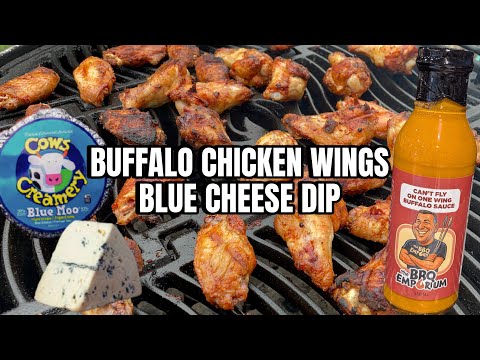
Hot Honey Chicken Wings — watch on YouTube

Watch the full cook on YouTube

Method

  1. 1Set up a charcoal grill with a chunk of cherry wood for light smoke.Bank the lit coals to one side so you have a hot direct zone and an empty indirect zone. Put the cherry chunk on the edge of the coal bed, not the middle — you want it smouldering and giving off thin blue smoke, not catching fire. Aim for around 350°F at the grate on the cool side. If the wood is billowing thick white smoke, wait for it to settle before the wings go on.
  2. 2Season the wings generously with Buffalo BBQ dry rub.Pat the wings completely dry with paper towel first — wet skin steams instead of crisping, and this is the single biggest factor in the finished texture. Season all sides including the underside of the drum. If you have a few hours, season them and leave them uncovered on a rack in the fridge; the surface dehydrates and the skin crisps noticeably better.
  3. 3Cook over indirect heat, rotating every 8–10 minutes to prevent flare-ups, until past 165°F internal.Lay them out on the cool side with a little space between each one so air can move around them. The rotation matters: wings render a lot of fat, and a wing sitting over a drip that has caught fire will scorch bitter in under a minute. Expect 35–40 minutes. Check the thickest part of the drum, avoiding the bone.
  4. 4Glaze with Stingin' Hot Honey and let it caramelize over the charcoal.Warm the honey slightly first so it brushes on thin instead of sitting in blobs. Move the wings over the direct side for the last 2–3 minutes and watch them constantly — honey is sugar and it goes from glossy to black very quickly. Turn them once so both sides tack up.
  5. 5Serve hot.Toss them in a bowl with any honey left in the brush pot to even out the coating, and get them to the table straight away. Glazed wings soften as they sit, so this is not a dish to plate up 20 minutes early.

Watch it on YouTube

What each ingredient is doing

Chicken wings
Whole wings or pre-separated drums and flats both work. Separated pieces cook a few minutes faster and give more surface area for rub and glaze; whole wings stay slightly juicier. Fresh beats frozen here — thawed wings hold water and fight you on crispness.
Buffalo BBQ dry rub
A cayenne-forward rub with salt and paprika. The salt is doing the important work: it seasons the meat and helps dry the skin. Any chicken rub works, but avoid heavily sugared ones — you are adding honey later and two sugar layers will burn.
Stingin' Hot Honey
Honey infused with chili. It brings the sweet, the heat and the gloss all at once. Plain honey with a pinch of cayenne or a splash of hot sauce stirred in is a fine substitute, and warming it makes it far easier to brush on evenly.
Cherry wood chunk
A mild fruit wood that gives colour and a gentle sweetness. Apple and maple behave the same way. Avoid mesquite or heavy hickory on wings — small pieces of chicken take on smoke fast and a strong wood turns them acrid within half an hour.
Charcoal briquettes
Briquettes burn more evenly and predictably than lump, which suits a 40-minute cook where you want a steady 350°F rather than a fierce spike. Lump works if you build a slightly bigger bed and accept more temperature drift.

Temperature guide

StageTempWhat it means
Food-safe minimum165°F / 74°CSafe to eat, but the connective tissue has not broken down yet and the skin is still rubbery. This is a floor, not a target.
Where wings get good175°F / 79°CCollagen starts converting to gelatin. The meat begins releasing cleanly from the bone and the texture shifts from firm to tender.
The sweet spot180–185°F / 82–85°CFully rendered skin, tender meat, clean bite off the bone. This is where you want to glaze.
Too far195°F+ / 90°C+The meat starts pulling apart and drying out, and the wing falls off the bone rather than biting off it.

Pitmaster tips

  • Dry the wings thoroughly before the rub goes on, and leave them uncovered on a rack in the fridge for a few hours if you have time. Wing skin crisps only after its surface moisture is gone, so a dry start is most of the battle.
  • Indirect heat is what prevents the flare-ups. Wings render a lot of fat, and fat dripping onto live coals produces the sooty flames that leave a bitter taste — rotating every 8–10 minutes keeps any one wing from sitting over a flare.
  • One chunk of cherry is the right amount. Wings are small, they take smoke fast, and cherry is mild and gives good colour; a firebox full of wood on a 45-minute cook turns them acrid.
  • Glaze at the very end, never at the start. Honey is sugar — put it on early and it burns to carbon long before the wings are cooked. You want 2–3 minutes of caramelizing, not 20.
  • 165°F is the safety floor, not the target. Wings are mostly connective tissue and they are genuinely better around 180–185°F, where the collagen has broken down and the meat pulls cleanly off the bone.
  • Warm the hot honey slightly before glazing. Cold honey sits in a thick blob and slides off; warm honey coats thinly and evenly.
  • Give the wings space on the grate. Crowded wings trap steam between them and the skin never dries out — cook in two rounds rather than packing them edge to edge.
  • A teaspoon of baking powder tossed through the rub raises the skin's surface pH, which speeds up browning and helps it blister. Use baking powder, not baking soda, and keep it to about half a teaspoon per pound or it turns metallic.
  • Keep the lid on between rotations. An open lid drops the grate temperature and feeds oxygen to any fat that has caught, which is how a small flare becomes a scorched batch.
  • Let them rest two or three minutes before tossing. Straight off the fire the glaze is still liquid and runs off; a couple of minutes and it sets enough to cling.

If it goes wrong

The skin came out soft and rubbery
Too much surface moisture, too little heat, or wings packed too tightly. Dry them properly, run the grate around 350°F rather than 275°F, and leave space between them. If they are already cooked, 8 minutes in a 400°F oven or air fryer will rescue the skin.
The glaze burnt black and tastes bitter
It went on too early or over heat that was too fierce. Honey scorches well below the temperature chicken needs. Glaze only in the last 2–3 minutes, and if the coals are ripping, glaze on the indirect side and give it a few extra minutes instead.
They taste harsh and over-smoked
Too much wood, or wood that was smouldering dirty. One chunk is enough for wings, and it should be producing thin blue smoke — thick white smoke deposits the compounds that taste acrid. Wait for the fire to settle before the food goes on.
Some wings are done and others are raw
Uneven coal bed or wings too close to the edge of the direct zone. Rotate positions as well as flipping, moving the outer wings inward. Separating whole wings into drums and flats also evens things out, since the two cook at slightly different rates.
The meat is dry even though the skin is good
You went past about 190°F. Wings are forgiving up to roughly 185°F and then dry quickly. Pull them earlier, and remember the glazing phase over direct heat adds real temperature.
Everything flared up and the wings are covered in soot
Move them, do not spray. Water on a fat fire kicks ash straight onto the food. Shut the lid to starve the flare of oxygen, shift the wings to a clean part of the indirect zone, and trim excess loose fat before the next batch.

Ways to change it up

Hot honey garlic
Stir a spoonful of minced garlic and a knob of butter into the warmed honey before glazing. The butter helps it cling and rounds off the heat; the garlic toasts in the last couple of minutes over the coals.
Dry-rub only
Skip the glaze entirely and hit the wings with a second dusting of rub the moment they come off the fire, while the skin is still hot enough to take it. Crispier, less sticky, and much better for a crowd since they hold longer.
Buffalo hot honey
Cut the hot honey half and half with a cayenne-based buffalo sauce and a knob of melted butter. You get the vinegar tang of buffalo with the gloss and sweetness of the honey.
Oven or air fryer
425°F on a wire rack over a sheet pan for 40–45 minutes, turning once, then glaze and give them 3 minutes more. You lose the smoke — add a quarter teaspoon of smoked paprika to the rub to bridge the gap.
Whole-smoke method
Run the grill at 250°F for the first 45 minutes for much deeper smoke flavour, then rake the coals together and finish hot to crisp the skin and glaze. Roughly doubles the cook time and is worth it if you have the afternoon.

What to serve it with

  • Blue cheese or ranch for dipping — the fat in both physically cuts the capsaicin burn, which is why they are the traditional pairing rather than just a habit.
  • Something cold and acidic alongside: a cucumber and celery plate, a vinegary slaw, or a cucumber watermelon salad.
  • Cold lager or a dry cider. Carbonation and cold scrub the sweet, sticky glaze off your palate between wings.
  • Cornbread or crusty bread to mop up the honey that ends up in the bottom of the bowl.
  • For a full game-day spread: pair them with smoked sausage and a broccoli salad so there is something crunchy and something rich next to the heat.

Storage & reheating

Cooked wings keep 3–4 days in the fridge in a sealed container. Let them cool to room temperature before sealing — trapping steam in a warm container is what turns leftover wings soggy overnight. Reheat them in a 375–400°F oven, air fryer or on the grill for 8–10 minutes; never the microwave, which steams the skin soft and undoes everything the charcoal did.

If you know you will have leftovers, hold back some wings before glazing and sauce them fresh when you reheat. Unglazed wings re-crisp far better than glazed ones, because there is no sugar layer to go sticky and no moisture sitting on the skin.

Cooked wings freeze for about three months. Freeze them in a single layer on a tray first, then bag them once solid so they do not fuse into a block. Reheat from frozen at 400°F for 15–20 minutes — thawing first just makes them wetter, which is the opposite of what you want.

FAQ

What temperature should chicken wings be cooked to?

165°F is the food-safe minimum, but wings are better taken to 180–185°F. That extra range is not about safety — it is where the collagen in all that connective tissue renders down, which is the difference between rubbery skin and a wing that bites clean off the bone. Past about 190°F they start to dry out.

How do I stop wings flaring up on a charcoal grill?

Cook them over indirect heat and rotate every 8–10 minutes. Flare-ups happen when rendering fat hits live coals; keeping the wings off to the side means the drips never reach the fire. If a flare does start, shut the lid and move the wings rather than spraying water, which kicks ash onto the food.

When should I put the hot honey glaze on?

In the last 2–3 minutes, after the wings are already cooked through. Honey is sugar and burns well below the temperature wings need, so an early glaze turns black and bitter. Warm the honey first so it brushes on thin and even.

Do I need to smoke wings to get smoke flavour?

One chunk of wood on a charcoal grill is plenty. Wings have a lot of surface area for their size and take on smoke quickly, so a mild wood like cherry over a 45-minute cook gives colour and aroma without the heavy, acrid edge that comes from over-smoking small pieces.

Should I use baking powder on wings?

It genuinely helps. Baking powder raises the skin's surface pH, which speeds up the browning reaction and helps the skin blister and crisp. Use about half a teaspoon per pound mixed into the rub — and baking powder, not baking soda, which tastes metallic in anything more than a trace.

Whole wings or separated drums and flats?

Either. Separated pieces have more surface area so they take more rub and glaze and crisp slightly better, and they cook a few minutes faster. Whole wings stay marginally juicier and are less work. If you separate them, keep the wing tips for stock rather than cooking them — they are mostly skin and bone and will burn.

Can I make these ahead for a party?

Partly. Cook them through and stop before glazing, then hold them in the fridge for up to a day. When guests arrive, reheat hot on the grill or at 400°F until the skin re-crisps, then glaze and finish. Fully glazed wings do not hold — they soften within about 20 minutes.

Why are my wings soggy instead of crispy?

Almost always moisture. Wet skin from the package, wings crowded so closely that they steam each other, or a grate temperature too low to render the fat. Dry them hard, give them space, and run around 350°F. Frozen and thawed wings hold extra water and are the hardest to crisp.

Know your cook

More information, cause recipe back stories are stupid

No 500-word life story — just the good-to-know stuff on what’s actually in this cook. Here’s the rundown on every real ingredient, health and nutrition wise.

Chicken
Chicken is a lean, versatile source of complete protein, B vitamins (especially niacin and B6), and selenium. Skinless breast is leanest; thighs and skin add flavour and a little more fat. Always cook poultry to a safe 165°F.
Honey
Honey is a natural sweetener that adds gloss and flavour; it's still sugar, so it's used sparingly. In raw form it carries trace antioxidants and beneficial compounds.

General nutrition info only, not medical or dietary advice — portions, brands and add-ons change the numbers.

← All recipes  ·  All 33 chicken recipes