 Snacks & Sides
5:12
Snacks & Sides
5:12
Smoked Pogo Sloppy Joes
Smoked corn dogs stuffed with homemade sloppy joe mix and melted cheese — an over-the-top cheesy BBQ snack.
View recipe →Juicy smoked meatloaf on the Traeger Woodridge Pro, loaded with onion and garlic and finished with a sweet, tangy three-ingredient BBQ glaze.

Watch the full cook on YouTube
| Stage | Temp | What it means |
|---|---|---|
| Optional smoke phase | 225°F for 30–45 min | Where almost all the smoke flavour goes on. |
| Main cook | 375°F | High enough to brown the outside as the inside comes up. |
| Glaze at | 140–145°F / 60–63°C | Ten or fifteen minutes is enough for it to set and gloss. |
| Done | 160°F / 71°C | Ground beef. Not negotiable. |
Meatloaf keeps 3–4 days refrigerated and slices far more cleanly cold than hot, which makes leftovers better than the original for sandwiches. Store it whole and slice as needed. Reheat slices covered at 300°F or fried in a pan — a pan-fried slice of cold smoked meatloaf is arguably the best thing you can do with it.
It freezes for about three months, and freezes better sliced than whole because portions thaw evenly. Wrap slices individually or stack with parchment between. Thaw in the fridge overnight and reheat gently. You can also freeze the raw mixture, shaped and wrapped, for up to three months.
Together they form a panade. The starch in the breadcrumbs absorbs the milk and traps that liquid in a gel, which physically gets in the way of the meat proteins tightening and squeezing moisture out as they cook. It is the single biggest reason a meatloaf stays moist rather than turning into a dense brick.
Free-form, directly on the grates or on a rack. A pan traps the sides in rendered fat so they never form a crust and never see smoke — you end up steaming three sides. Shaping it by hand gives you bark and smoke all the way around.
160°F. Because the beef is ground, anything that was on the surface of the meat is now distributed throughout the loaf, so it needs a higher finish temperature than a whole cut. Pull it there and rest 5–10 minutes.
In the last stretch, once the loaf is around 140–145°F. The glaze is mostly ketchup and brown sugar, so it burns long before the meatloaf is cooked. Ten or fifteen minutes is enough for it to set and go glossy.
Together they form a panade. The starch in the breadcrumbs absorbs the milk and traps that liquid in a gel, which physically gets in the way of the meat proteins tightening and squeezing moisture out as they cook. It is the single biggest reason a meatloaf stays moist rather than turning into a dense brick.
Free-form, directly on the grates or on a rack. A pan traps the sides in rendered fat so they never form a crust and never see smoke — you end up steaming three sides. Shaping it by hand gives you bark and smoke all the way around.
No 500-word life story — just the good-to-know stuff on what’s actually in this cook. Here’s the rundown on every real ingredient, health and nutrition wise.
General nutrition info only, not medical or dietary advice — portions, brands and add-ons change the numbers.
Snacks & Sides
5:12
Smoked corn dogs stuffed with homemade sloppy joe mix and melted cheese — an over-the-top cheesy BBQ snack.
View recipe →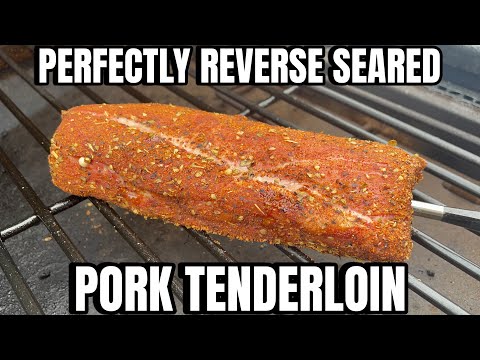 Pork
4:51
Pork
4:51
Pork tenderloin smoked at 250°F over maple pellets, then seared screaming hot in a pan for a juicy centre and a deep, caramelized crust.
View recipe → Beef
7:59
Beef
7:59
A charcoal-smoked chuck roast braised with onions, mushrooms, and beef broth until pull-apart tender, piled on buns with spicy jalapeño cheese and au jus.
View recipe → Desserts
3:59
Desserts
3:59
Creamy coconut custard with a hint of lime on a buttery graham cracker crust, baked at 350°F on the Traeger for a subtle wood-fired edge.
View recipe → Beef
4:18
Beef
4:18
Classic sloppy Joes elevated with a from-scratch fresh tomato sauce, BBQ-seasoned ground beef, and toasted Compliments buns finished in the oven.
View recipe → Beef
5:56
Beef
5:56
A fall-apart beef pot roast seared in a Dutch oven and braised low and slow in Blomidon Estates Baco Noir, served over garlic mashed potatoes.
View recipe →