 Pork
4:34
Pork
4:34
Juicy Pork Tenderloin on a Charcoal Grill
A simple two-zone method for juicy, tender charcoal-grilled pork tenderloin that never dries out.
View recipe →Pork tenderloin smoked at 250°F over maple pellets, then seared screaming hot in a pan for a juicy centre and a deep, caramelized crust.
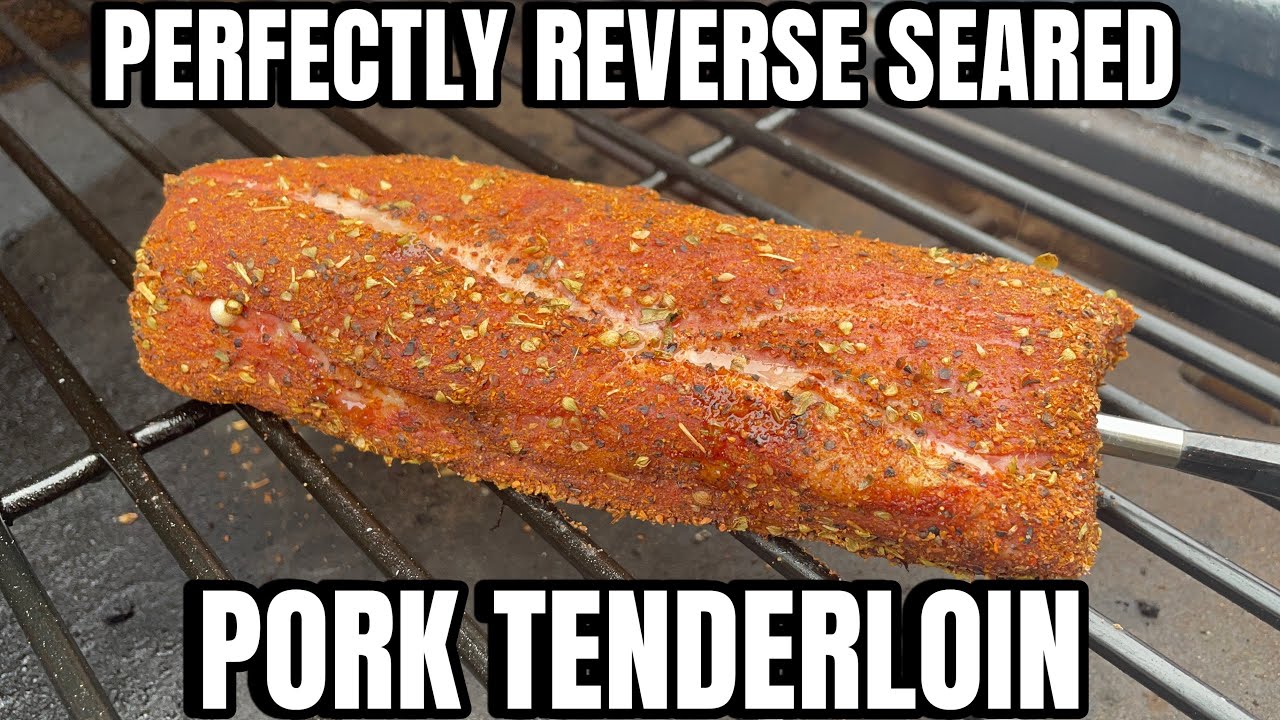
Watch the full cook on YouTube
| Stage | Temp | What it means |
|---|---|---|
| Off the smoker | 125°F / 52°C | The handoff. A screaming pan adds roughly 20°F. |
| Final | 145°F / 63°C | USDA safe for whole-muscle pork. Slightly pink and correct. |
| Too far | 160°F+ / 71°C+ | Dry. Tenderloin has no fat reserve. |
| Rest | 5 minutes | Before slicing across the grain. |
Sliced pork tenderloin keeps 3–4 days refrigerated. Store it as a whole piece and slice as you go if you can — whole meat dries out far more slowly than slices.
Because it is lean and was pulled at 145°F, reheating pushes it past where it should be. Warm slices gently in a covered pan with a splash of stock, or use them cold in sandwiches and salads, which is honestly the better outcome.
Cooked tenderloin freezes for about three months though the texture tightens. Raw tenderloin freezes better, up to six months wrapped airtight. Thaw either overnight in the fridge rather than on the counter.
You cook the meat gently first and sear at the end, rather than the other way round. The slow phase brings the interior up evenly with no grey band under the crust, and it gives the tenderloin time to take on smoke. The sear then builds the crust in a minute or two.
Because a screaming pan adds roughly 20°F on a piece this size. Pulling at your target temperature means finishing well past it — and on the leanest cut on the pig, that is the difference between juicy and dry.
Pull it at 145°F and rest. That is the USDA safe temperature for whole-muscle pork and it leaves the centre slightly pink, which is correct and safe. The old advice to cook pork to 160°F or beyond predates modern pork farming and is why tenderloin has a dry reputation.
No, and they are not interchangeable. Tenderloin is a small, thin muscle about a pound that cooks in under an hour. Pork loin is a much larger roast that takes considerably longer. Using loin timings on a tenderloin will ruin it.
It makes this method much easier. The whole approach hinges on catching 125°F, and on a pellet grill every lid opening costs several minutes of temperature recovery. A leave-in probe means you watch the number without ever opening the grill.
Depth. An all-purpose seasoning provides the salt and savoury base, and the mesquite rub adds a smoky top note. On a mild cut like tenderloin that layering gives more dimension than either rub used alone, without either dominating.
No 500-word life story — just the good-to-know stuff on what’s actually in this cook. Here’s the rundown on every real ingredient, health and nutrition wise.
General nutrition info only, not medical or dietary advice — portions, brands and add-ons change the numbers.
Pork
4:34
A simple two-zone method for juicy, tender charcoal-grilled pork tenderloin that never dries out.
View recipe → Beef
9:46
Beef
9:46
Tri-tip smoked over sugar maple at 275°F to 105°F internal, then seared in the firebox on hot cast iron and briefly straight over the coals, finished at 135°F and topped with fresh chimichurri.
View recipe → Pork
4:23
Pork
4:23
BBQ basics done right — juicy, tender offset-smoked pork ribs over sugar maple with a butter wrap and a lacquered glaze.
View recipe → Beef
3:45
Beef
3:45
Juicy smoked meatloaf on the Traeger Woodridge Pro, loaded with onion and garlic and finished with a sweet, tangy three-ingredient BBQ glaze.
View recipe → Pork
5:44
Pork
5:44
Tender, sticky pork ribs smoked low and slow on a pellet grill with a butter wrap and a bold Atlantic-Canadian hot-sauce glaze.
View recipe → Pork
4:56
Pork
4:56
A budget-friendly pork loin butterflied, stuffed with spinach, sun-dried tomatoes, and feta, then rolled tight and slow-roasted on the Traeger Woodridge Pro.
View recipe →