 Beef
5:56
Beef
5:56
Red Wine Braised Beef Pot Roast
A fall-apart beef pot roast seared in a Dutch oven and braised low and slow in Blomidon Estates Baco Noir, served over garlic mashed potatoes.
View recipe →Vessel Meats oxtail seared in a Dutch oven and braised low and slow in Blomidon Baco Noir with onion, garlic, and carrots until fall-apart tender.

Watch the full cook on YouTube
| Stage | Temp | What it means |
|---|---|---|
| Braise | 3 hours minimum | At a bare tremble. Oxtail is forgiving of extra time. |
| Done | Meat pulls from bone | With no effort at all. Rubbery means undercooked. |
| Sauce | Sets to jelly when cold | The sign of a good braise. It melts back glossy on reheating. |
| Best | The next day | Chill overnight, lift the fat cap off, reheat. |
Refrigerate the oxtail in its braising liquid for 3–4 days — it is genuinely better the next day, and the fat sets on top for easy removal. The sauce will set to a firm jelly in the fridge, which is a sign of a good braise, and it melts back to a glossy gravy on reheating. Warm it gently, covered.
It freezes very well for about three months, meat and liquid together. The high gelatin content protects the texture through freezing better than lean meat, so it comes back close to as-made. Thaw overnight in the fridge and reheat slowly on the stovetop.
It is the tail of the cow, cut into cross-sections through the vertebrae. It is mostly bone, fat and connective tissue with relatively little meat — and that connective tissue is the point, because it melts into gelatin and gives a braise a body and glossiness that no lean cut can match.
At least three hours at a low temperature, and often more. It is done when the meat pulls away from the bone with no effort. Oxtail is very forgiving of extra time and completely unforgiving of too little — undercooked, it is rubbery rather than tough.
Gelatin, extracted from the bones and connective tissue during the braise. A braising liquid that sets firm when cold is the sign of a good one, and it melts straight back into a rich, glossy sauce when you reheat it. That body is exactly what you are cooking oxtail for.
Pour off most of the rendered fat after searing, before the vegetables go in, and then chill the finished braise so the remaining fat sets into a cap you can lift off in one piece. Skimming a hot braise never removes as much, which is why making it a day ahead is worth the wait.
At least three hours at a low temperature, and often more. It is done when the meat pulls away from the bone with no effort. Oxtail is very forgiving of extra time and completely unforgiving of too little — undercooked, it is rubbery rather than tough.
Gelatin, extracted from the bones and connective tissue during the braise. A braising liquid that sets firm when cold is the sign of a good one, and it melts straight back into a rich glossy sauce when you reheat it. That body is exactly what you are cooking oxtail for.
No 500-word life story — just the good-to-know stuff on what’s actually in this cook. Here’s the rundown on every real ingredient, health and nutrition wise.
General nutrition info only, not medical or dietary advice — portions, brands and add-ons change the numbers.
Beef
5:56
A fall-apart beef pot roast seared in a Dutch oven and braised low and slow in Blomidon Estates Baco Noir, served over garlic mashed potatoes.
View recipe →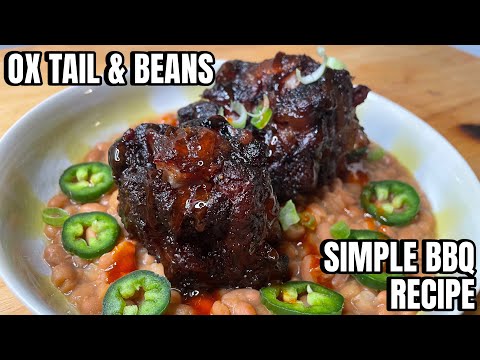 Beef
3:59
Beef
3:59
Fall-off-the-bone smoked oxtail over sugar maple, finished with PEI candied habanero hot sauce and served with maple beans.
View recipe → Seafood
6:37
Seafood
6:37
A whole red snapper grilled simply over charcoal with a two-zone fire, stuffed with shallots and cilantro and finished with a Bahamian steamed sauce.
View recipe → Chicken
4:25
Chicken
4:25
Crispy-skinned chicken thighs served over pasta tossed in a buttery Tidal Bay white wine sauce with garlic, shallots, and fresh herbs.
View recipe → Beef
7:59
Beef
7:59
A charcoal-smoked chuck roast braised with onions, mushrooms, and beef broth until pull-apart tender, piled on buns with spicy jalapeño cheese and au jus.
View recipe → Beef
4:18
Beef
4:18
Juicy Australian ribeyes topped with fresh homemade chimichurri, served with roasted sweet potatoes finished with feta and an extra drizzle of the sauce.
View recipe →