 Beef
4:48
Beef
4:48
Red Wine Braised Oxtail
Vessel Meats oxtail seared in a Dutch oven and braised low and slow in Blomidon Baco Noir with onion, garlic, and carrots until fall-apart tender.
View recipe →Fall-off-the-bone smoked oxtail over sugar maple, finished with PEI candied habanero hot sauce and served with maple beans.
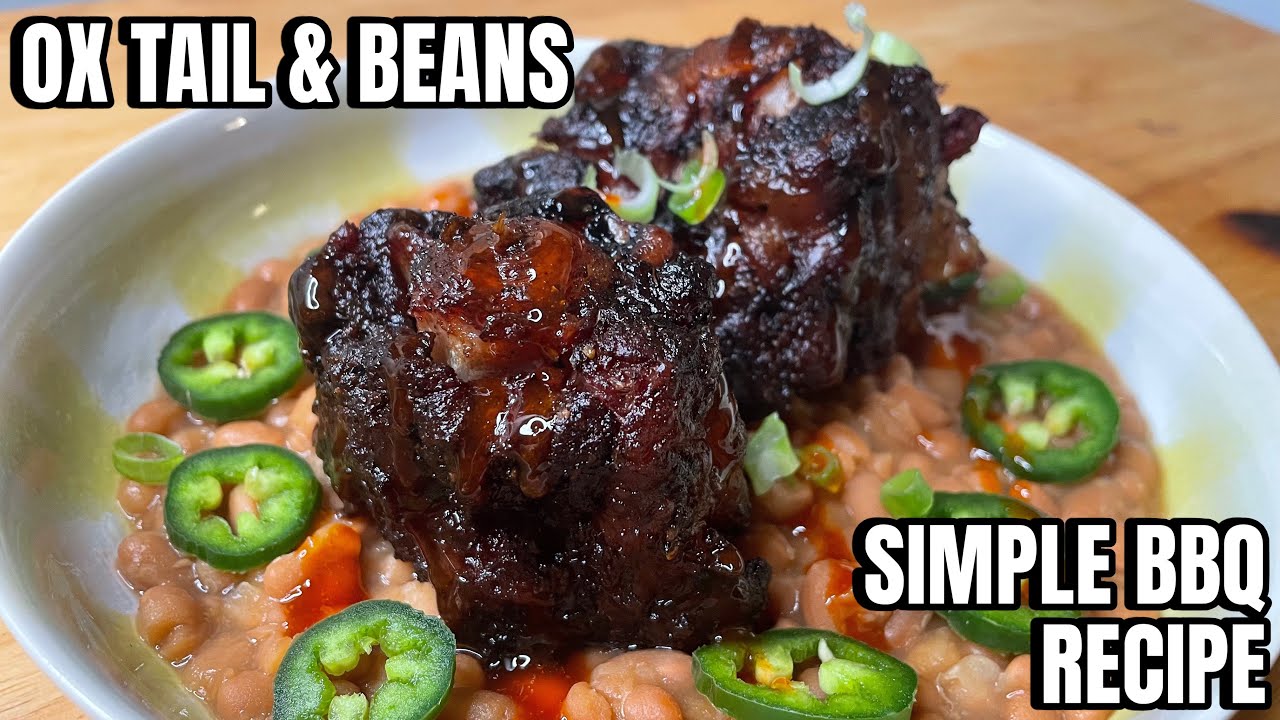
Watch the full cook on YouTube
| Stage | Temp | What it means |
|---|---|---|
| Smoke phase | 6 hours at 250°F | Bark set, fat starting to render, pieces darkened. |
| Wrapped | To 203°F / 95°C | The braising stage. Where the collagen actually breaks down. |
| Done | Meat pulls from bone | It should come away with no effort at all. Rubbery means undercooked. |
| Sauce | Off the heat | A candied sauce is sugar-heavy and will burn on the smoker. |
Refrigerate oxtail in its cooking liquid for 3–4 days — it is genuinely better the next day, and the fat sets on top into a cap you can lift off cleanly. The liquid will set to a firm jelly, which is a sign of a good cook; it melts back into a glossy sauce on reheating.
Warm it gently, covered, on the stovetop or at 250°F. Oxtail reheats better than almost any barbecue because of how much gelatin and liquid it carries.
It freezes very well for about three months, meat and liquid together. The high gelatin content protects the texture through freezing far better than lean meat. Thaw overnight in the fridge and reheat slowly. Stripped oxtail meat freezes well too and is excellent later in a ragu.
Cross-sections of the cow's tail, cut through the vertebrae. It is mostly bone, fat and connective tissue with relatively little meat — and that is the appeal, because the connective tissue melts into gelatin and gives a richness no lean cut can match.
Because it takes smoke beautifully and the result is different from a braise — bark on the outside, gelatinous meat inside. The wrapped final phase is effectively a braise anyway, so this method gives you both. A pure braise is the more traditional treatment and is easier.
The meat should pull away from the bone with no effort. Around 203°F is typical. Oxtail goes from rubbery straight to falling apart with no tough stage in between — if it is chewy it needs longer, not less.
Oxtail is almost entirely fat and connective tissue, so it can take higher heat without drying and it renders more efficiently at 250°F. Running it at 225°F works but takes considerably longer for no real gain on a cut this rich.
Gelatin, extracted from the bones and connective tissue. A liquid that sets firm when cold is the sign of a good cook, and it melts straight back into a rich glossy sauce when reheated. That body is exactly what you are cooking oxtail for.
It has gone from a cheap cut to an expensive one over the last decade, so it is no longer the bargain it was. It is worth it for the texture and richness, which genuinely cannot be replicated with another cut — but buy the thick pieces from the wide end of the tail, which give far more meat per pound.
No 500-word life story — just the good-to-know stuff on what’s actually in this cook. Here’s the rundown on every real ingredient, health and nutrition wise.
General nutrition info only, not medical or dietary advice — portions, brands and add-ons change the numbers.
Beef
4:48
Vessel Meats oxtail seared in a Dutch oven and braised low and slow in Blomidon Baco Noir with onion, garlic, and carrots until fall-apart tender.
View recipe → Beef
9:30
Beef
9:30
Meaty Vessel Meats beef ribs smoked 9 hours on a tabletop pellet smoker with W Sauce and Perpetual Beef rub, served with maple beans and a spicy crunch.
View recipe →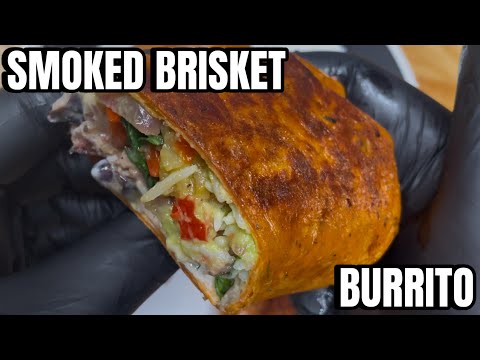 Beef
3:13
Beef
3:13
Leftover smoked brisket rolled into a sun-dried tomato tortilla with rice, beans, guacamole, salsa, and pickled peppers, then crisped in a hot pan.
View recipe →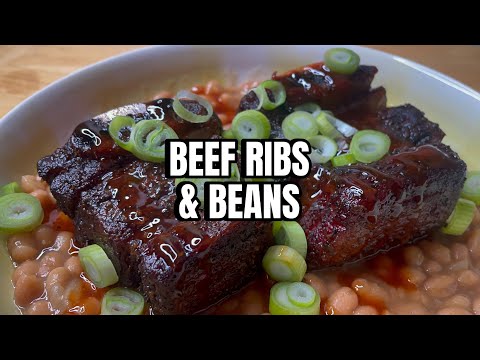 Beef
5:00
Beef
5:00
Meaty Vessel Meats short ribs smoked at 225°F until probe-tender, plated over Heinz Maple Beans and glazed with candied habanero hot sauce.
View recipe →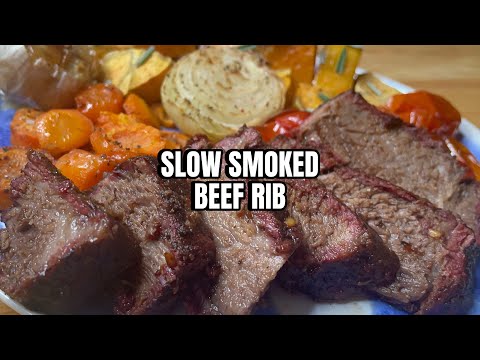 Beef
3:37
Beef
3:37
A marbled boneless beef rib smoked brisket-style at 225°F, wrapped in foil with beef tallow, and taken to 203°F for melt-in-your-mouth slices.
View recipe → Beef
5:10
Beef
5:10
Leftover smoked brisket folded into a creamy Boursin and sweet basil marinara sauce with toasted mesquite seasoning — easy, smoky weeknight comfort food.
View recipe →