Saucy Rossy BBQ
Chicken

Live-Fire South African Chicken Skewers

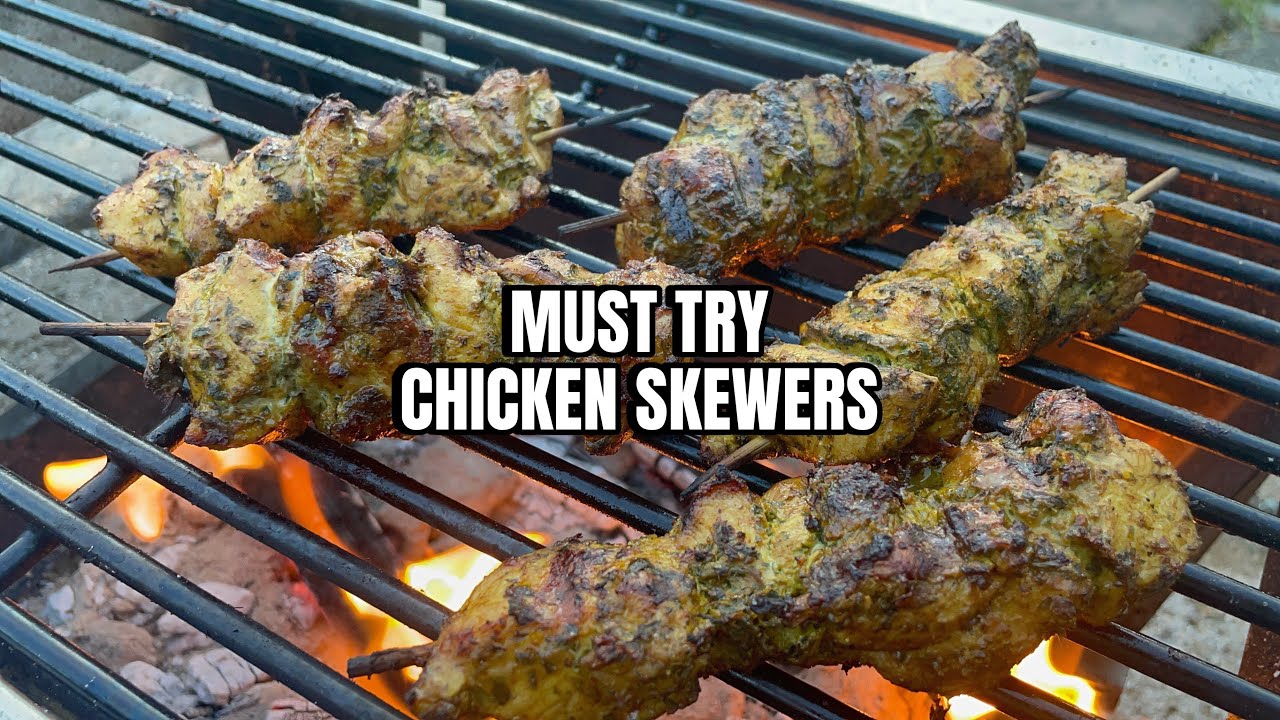
Vessel Meats South African chicken skewers grilled over a rolling oak fire on the ROAM V2 for juicy meat, crispy edges, and deep smoke flavour.

Time~45 min Prep10 min YieldServes 4 CategoryChicken Watch4:55
Live-Fire South African Chicken Skewers — watch on YouTube

Watch the full cook on YouTube

Method

  1. 1Load the ROAM V2 with lump charcoal and briquettes to build a solid coal bed, then feed it splits of oak for rolling flames and steady heat.Build the coal bed first and let the oak splits burn down past the initial white smoke. Fresh splits throw dirty smoke, and you want the clean flame that comes a few minutes later.
  2. 2Lay the Vessel Meats South African chicken skewers over the live fire.Lay the skewers across the bars rather than along them so they can be turned as a set, and leave space between them for the heat to move.
  3. 3Grill, turning as needed, letting the flames kiss the chicken while the drippings sizzle over the coals.The flames kissing the meat is the point of live fire, but keep them moving. Fat dripping onto coals flares, and a flare-up parked under one skewer will scorch it in seconds.
  4. 4Cook until the skewers pass 165°F internal.165°F in the thickest piece. Skewered chicken cooks unevenly by nature, so probe the biggest cube rather than the first one you reach.
  5. 5Rest for a few minutes, then dig in — juicy, smoky, and slightly crispy at the edges.A few minutes rest is enough. Skewers are small and cool fast, so this is about the juices settling rather than a long carryover.

Watch it on YouTube

What each ingredient is doing

South African chicken skewers
Sosatie-style skewers, typically marinated with curry spice, apricot and vinegar — a Cape Malay tradition that dates back centuries. Vessel Meats prepares these ready to grill.
Oak splits
Oak burns hot and clean with a moderate smoke, which is why it is the standard live-fire wood. Let each split burn past its initial white smoke before cooking over it.
Lump charcoal and briquettes
Lump lights fast and burns hot, briquettes burn longer and steadier. Together they give you a coal bed that both starts quickly and lasts.
A live fire
Rolling flame rather than settled coals. It cooks faster and gives char that indirect heat cannot, but it demands constant attention.

Temperature guide

StageTempWhat it means
FireRolling flame over a coal bedPast the initial white smoke — clean flame only.
Cook time15–25 minutesTurning regularly. Live fire is fast.
Final target165°F / 74°CIn the thickest piece, not the first one you reach.
Thigh meat175°F / 79°C is betterDark meat improves past 165°F as its connective tissue breaks down.
Rest3–5 minutesSkewers are small and cool fast.

Pitmaster tips

  • Let the oak splits burn past their initial white smoke before cooking over them. Fresh splits throw dirty smoke that tastes acrid on chicken.
  • Keep the skewers moving. Fat dripping onto coals flares, and a flare-up parked under one skewer will scorch it in seconds.
  • Probe the biggest piece on the skewer, not the first one you reach. Skewered chicken cooks unevenly by nature.
  • 165°F is the safe target for breast; thigh meat is better at 175°F, where its connective tissue has broken down and it stops being chewy.
  • Lay the skewers across the bars rather than along them so you can turn a whole set at once.
  • Leave space between skewers. Crowded skewers steam each other and never get proper edges.
  • Keep a cooler zone available. When a flare-up starts you want somewhere to move to rather than fighting it.
  • Soak wooden skewers for 30 minutes if you are making your own — over live fire they will otherwise burn through.
  • Cut the chicken into even cubes if you are building your own skewers. Uneven pieces mean some are dry before others are safe.
  • Rest for a few minutes only. These are small pieces and they lose heat fast.

If it goes wrong

The outside charred before the middle cooked
The fire was too aggressive. Let the flames settle to a steadier burn, or move the skewers higher above the coals.
Constant flare-ups
Dripping fat hitting coals. Keep the skewers moving and keep a cooler zone to shift to when one starts.
The chicken is dry
Past temperature. Breast meat has no margin above 165°F — pull as soon as it reads.
It tastes acrid
Dirty smoke from fresh splits. Let each split burn past its white-smoke phase before cooking over it.
Some pieces are raw and others overdone
Uneven cubes, or crowded skewers. Cut evenly and leave space between skewers.
The skewers burnt through
Unsoaked wooden skewers over live fire. Soak them 30 minutes, or use metal.

Ways to change it up

Make your own sosaties
Cube chicken thigh, marinate with curry powder, apricot jam and vinegar, and thread with dried apricots and onion.
Add vegetables
Onion and pepper between the meat. They char beautifully over live fire.
Charcoal only
Skip the oak splits and cook over settled coals. Less drama, more control.
Peri-peri
A peri-peri baste in the last few minutes for a different South African direction.
Thigh instead of breast
Thigh meat is far more forgiving over live fire and tastes better at 175°F.

What to serve it with

  • Straight off the skewer while the edges are still crisp.
  • With a sharp chutney or apricot relish.
  • Grilled flatbread to wrap them in.
  • A tomato and onion salad alongside.
  • Cold beer, and something to catch the drips.

Storage & reheating

Cooked chicken skewers keep 3–4 days refrigerated. Pull the meat off the skewers before storing — wooden skewers hold moisture against the meat and it goes soft.

Reheat in a hot pan or under a broiler rather than a microwave, which turns crisp edges rubbery. Two or three minutes is enough since the chicken is already cooked.

They freeze for up to three months, though the texture softens on thawing. Better still, leftover chicken off the skewer is excellent cold in a wrap or chopped into a salad, which needs no reheating at all.

FAQ

What are South African chicken skewers?

Sosaties — a Cape Malay tradition of marinated skewered meat, usually with curry spice, apricot and vinegar in the marinade. They date back centuries in South African cooking and grill fast over live fire, which is exactly what they were built for.

What temperature should chicken skewers be cooked to?

165°F in the thickest piece. If you are using thigh meat, 175°F is better — dark meat carries connective tissue that only breaks down above 165°F, so it improves rather than dries at the higher temperature.

How do I stop flare-ups over live fire?

Keep the skewers moving and keep a cooler zone on the grill to shift to. Flare-ups come from dripping fat hitting coals, so they are unavoidable — the trick is not letting one park under a skewer while you watch.

Why does my live-fire chicken taste acrid?

Dirty smoke. A freshly added wood split throws thick white smoke as it off-gasses, and that tastes harsh on chicken. Let each split burn past that phase into clean flame before you cook over it.

Should I soak wooden skewers?

For 30 minutes, yes, if you are using them over live fire. Dry wooden skewers will burn through. Metal skewers avoid the problem entirely and conduct heat into the meat, which speeds the cook slightly.

Can I cook these over regular charcoal instead?

Absolutely. Settled coals give you more control and fewer flare-ups, at the cost of the char that rolling flame produces. If you are new to live fire, start with coals and work up.

Know your cook

More information, cause recipe back stories are stupid

No 500-word life story — just the good-to-know stuff on what’s actually in this cook. Here’s the rundown on every real ingredient, health and nutrition wise.

Chicken
Chicken is a lean, versatile source of complete protein, B vitamins (especially niacin and B6), and selenium. Skinless breast is leanest; thighs and skin add flavour and a little more fat. Always cook poultry to a safe 165°F.

General nutrition info only, not medical or dietary advice — portions, brands and add-ons change the numbers.

← All recipes  ·  All 33 chicken recipes