Saucy Rossy BBQ
Snacks & Sides

Live-Fire Grilled Corn on the Cob

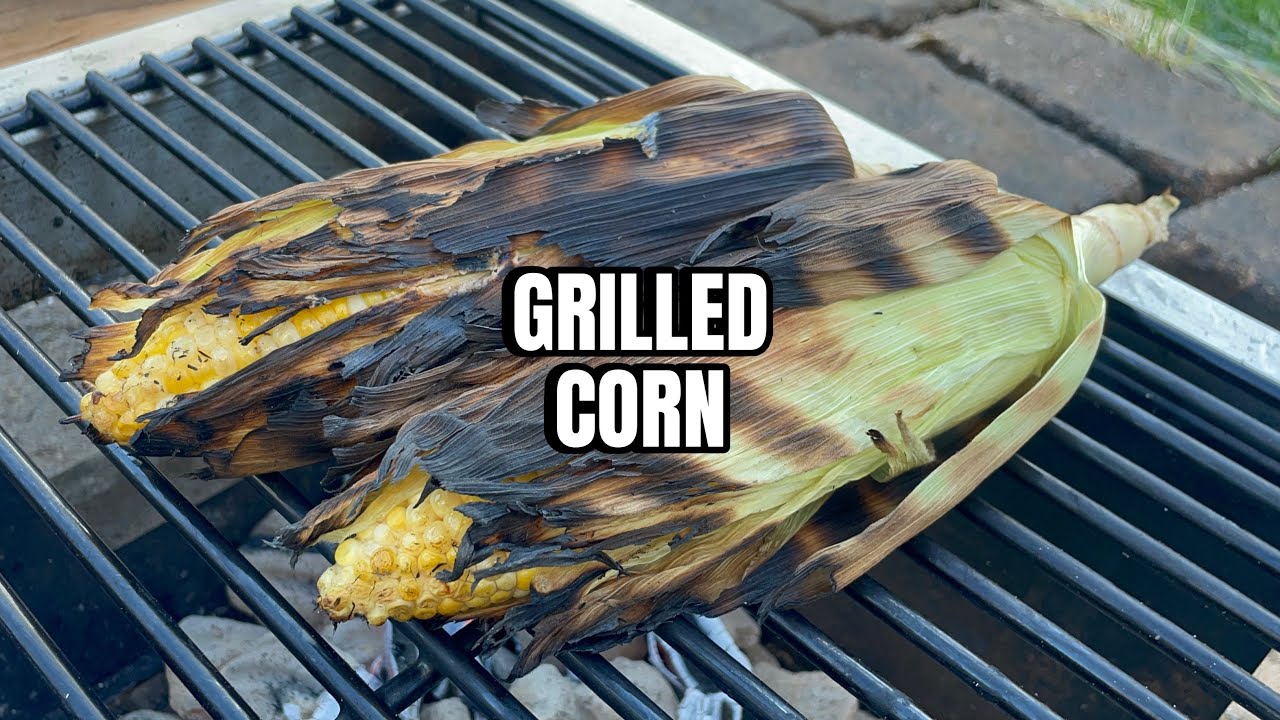
Corn cooked in its own husk over live fire on the Black Earth Grills Roam V2 — buttered and seasoned before the husks go back on, then finished bare over the grates for char.
Time~15 min Prep5 min YieldServes 4–6 CategorySnacks & Sides Watch4:04
Live-Fire Grilled Corn on the Cob — watch on YouTube

Watch the full cook on YouTube

Method

  1. 1Carefully pull back the corn husks without removing them completely.Peel them down like a banana, leaving them attached at the base. Strip out the silk underneath — it burns and tastes bitter. Keeping the husks attached is the whole trick: they become a built-in steaming jacket that you can fold back over the seasoned corn.
  2. 2Brush a generous coating of butter directly onto the corn, then season with nothing more than salt and freshly cracked black pepper.Butter goes on the bare kernels, not over the husk. Softened rather than melted butter clings better. Salt and pepper is genuinely enough here — the point of this cook is sweet corn and smoke, and a heavy rub would bury both.
  3. 3Pull the husks back over the corn to protect it while it steams and roasts on the grill.Fold them back up and twist the tips closed. The husk now traps the butter and the corn's own moisture, so the kernels steam in seasoned butter rather than drying out over the fire.
  4. 4Cook over live fire, turning every couple of minutes to ensure even cooking on all sides.Live fire means real flame and radiant heat rather than settled coals, so it moves fast — turn often. The husks will char and blacken in places, which is expected and is what protects the kernels underneath. About 8–10 minutes.
  5. 5After about 8–10 minutes, remove the husks and place the corn directly over the grill grates for another couple of minutes to develop a light char.The husks will be hot — use tongs. Two or three minutes bare over the fire is all you need: you are after scattered dark spots on the kernels, not an evenly blackened cob. That direct contact is where the barbecue flavour comes from.

Watch it on YouTube

What each ingredient is doing

Corn on the cob, husks on
Buy it husk-on specifically for this method — the husk is a piece of cooking equipment here, not packaging. Look for green, tight husks and a moist, pale silk end; dry brown silk means the corn has been sitting.
Butter
Applied under the husk before cooking rather than after, so the corn effectively steams in seasoned butter. Softened butter spreads far better on cold kernels than melted, which runs off.
Salt
Season before cooking rather than at the table. Salt applied under the husk works into the kernels as they steam, which is a completely different result from salt sprinkled on afterwards.
Black pepper
Freshly cracked, because pre-ground pepper loses its aromatics quickly and this recipe has nowhere for a dull ingredient to hide — there are only four things in it.

Temperature guide

StageTempWhat it means
In the husk8–10 minTurning every couple of minutes. Husks blacken; kernels steam in the butter underneath.
Bare on the grates2–3 minScattered dark char spots on the kernels. Not evenly blackened.
Kernel testVisualPlump, deep yellow and glossy. A pale, shrivelled kernel means it cooked too long or too dry.
TotalUnder 15 minThis is a fast side. Start it when the meat comes off to rest.

Pitmaster tips

  • Strip the silk out when you peel the husks back. It burns to a bitter ash and there is no way to remove it once the husks are folded back over.
  • Butter and season under the husk, not after cooking. The corn steams in that butter, which seasons the kernels rather than just coating them at the end.
  • Use softened butter rather than melted. Melted butter runs straight off cold kernels; softened butter stays where you put it.
  • Twist the husk tips closed so they do not flare open over the fire and expose the kernels early.
  • Turn every couple of minutes. Live fire has real flame and hot spots, and corn is a cylinder — it needs constant rotation to cook evenly.
  • Expect the husks to blacken. That is the husk doing its job as a heat shield, and it is not a sign anything has gone wrong.
  • The bare-grate finish is short. Two or three minutes gives you scattered char; longer dries the kernels out and you lose the juice you just steamed in.
  • Soak the husks in water for 10 minutes first if your fire is particularly fierce — it buys a few minutes before the husk burns through.
  • Cook it while the meat rests. It takes under 15 minutes and it is best straight off the fire.
  • Salt and pepper alone is not laziness on a cook like this. Four ingredients means each one has to be right, and corn and smoke are the flavours you actually want.

If it goes wrong

The kernels are dry and chewy
Too long over the fire, or the husks opened up and stopped protecting them. Twist the tips closed, and keep the bare-grate finish to two or three minutes.
It tastes bitter
Silk left inside the husk. It burns to ash against the kernels. Strip every strand out when you peel the husks back.
The husks burnt through before the corn was done
The fire was too fierce or too close. Move the corn further from the flame, or soak the husks for 10 minutes before cooking so they steam rather than ignite.
The butter all ran off
It was melted rather than softened, or it went on before the corn was dry. Pat the kernels dry and use butter at room temperature so it clings.
It cooked unevenly, with one raw side
Not turned often enough. Corn is a cylinder over a directional heat source — every couple of minutes is the right rhythm, not once halfway.
No char at all on the kernels
The final bare-grate stage was skipped or the fire had died down. You need real direct contact with live heat for those dark spots; without them it is steamed corn, not grilled corn.

Ways to change it up

Mexican street corn (elote)
After the char, roll the cob in mayonnaise, crumbled cotija or feta, chili powder and lime. The char is the base for it, so the method here is exactly right.
Compound butter finish
Make a butter with garlic, lime zest and chili, and slather it on after the char rather than before. Two butter stages — one under the husk, one at the end — is not too much.
Husk-off from the start
Strip the husks entirely and grill the bare cobs directly, turning constantly for 8–10 minutes. More char and smoke, drier kernels. A genuinely different result rather than a shortcut.
On a charcoal grill
Two-zone, husk-on over the indirect side for 10 minutes, then bare over the coals for a couple of minutes. Nearly identical, and easier to control than live flame.
Cut off the cob
Char the corn, then cut the kernels off and fold them through salads, salsas or a corn ribs-style side. Charred kernels are a far better ingredient than boiled ones.

What to serve it with

  • Alongside brisket, ribs or pulled pork — sweet corn against heavy smoke is the classic pairing.
  • With extra butter and flaky salt at the table for people who want more.
  • Lime wedges and chili flakes if you want to push it toward elote without committing.
  • As part of a full cookout plate with slaw and beans.
  • Cut off the cob into a salad if you have leftovers, which is a better second life than a reheated cob.

Storage & reheating

Grilled corn is best straight off the fire — it takes 15 minutes, so there is rarely a reason to make it ahead. Cooked cobs keep 3–4 days refrigerated, wrapped, though the kernels firm up and lose some sweetness as the sugars convert to starch in the cold.

The best thing to do with leftovers is cut the kernels off the cob and use them as an ingredient: charred corn is excellent in salads, salsa, chowder, fritters or folded through rice. Reheating a whole cob rarely improves it, but charred kernels warmed in a pan for a minute are genuinely good.

Cut kernels freeze well for about three months in a sealed bag and keep their char flavour, which makes them a useful thing to stash if you have cooked a big batch over a fire. Whole cobs freeze poorly — the texture goes watery on thaw.

FAQ

Should I soak corn before grilling it?

Only if your fire is fierce. Soaking the husks for 10 minutes buys a few extra minutes before they burn through, which matters over live flame. It is not necessary on a moderate charcoal fire, and it does slightly steam the corn rather than roast it.

Do I take the husk off before grilling?

Peel it back, season underneath, then fold it back over. That way the husk works as a steaming jacket while the butter and salt get directly onto the kernels. The husks come off at the end for a short char over the bare grate.

How long does corn take on the grill?

About 8–10 minutes in the husk, turning every couple of minutes, then 2–3 minutes bare over the fire for char. Under 15 minutes total, which makes it a good thing to cook while your meat rests.

Why is my grilled corn bitter?

Almost always silk left inside the husk, which burns against the kernels. Strip every strand out when you peel the husks back. Badly burnt husk material touching the corn does the same thing.

Can I do this on a charcoal or gas grill?

Yes. Two-zone charcoal is arguably easier to control than live flame — husk-on over the indirect side for 10 minutes, then bare over the coals to char. On gas, medium heat with the lid down and the same two stages.

How do I know when corn is done?

The kernels should be plump, deep yellow and glossy, and give slightly when pressed. Corn is edible raw, so there is no safety threshold — you are cooking for sweetness and texture, and overcooking is the only real risk.

Know your cook

More information, cause recipe back stories are stupid

No 500-word life story — just the good-to-know stuff on what’s actually in this cook. Here’s the rundown on every real ingredient, health and nutrition wise.

Butter
Butter adds richness and helps carry sauce into the meat, but it's high in saturated fat and calories, so it works best as a finishing touch rather than by the cupful.
Salt
Salt is essential for seasoning and, in brines and cures, for texture and safety — but sodium adds up fast in BBQ. Season with intention and balance salty cooks with fresh sides.

General nutrition info only, not medical or dietary advice — portions, brands and add-ons change the numbers.

← All recipes