Saucy Rossy BBQ
Beef

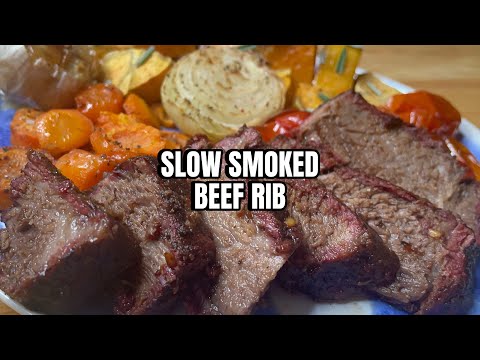
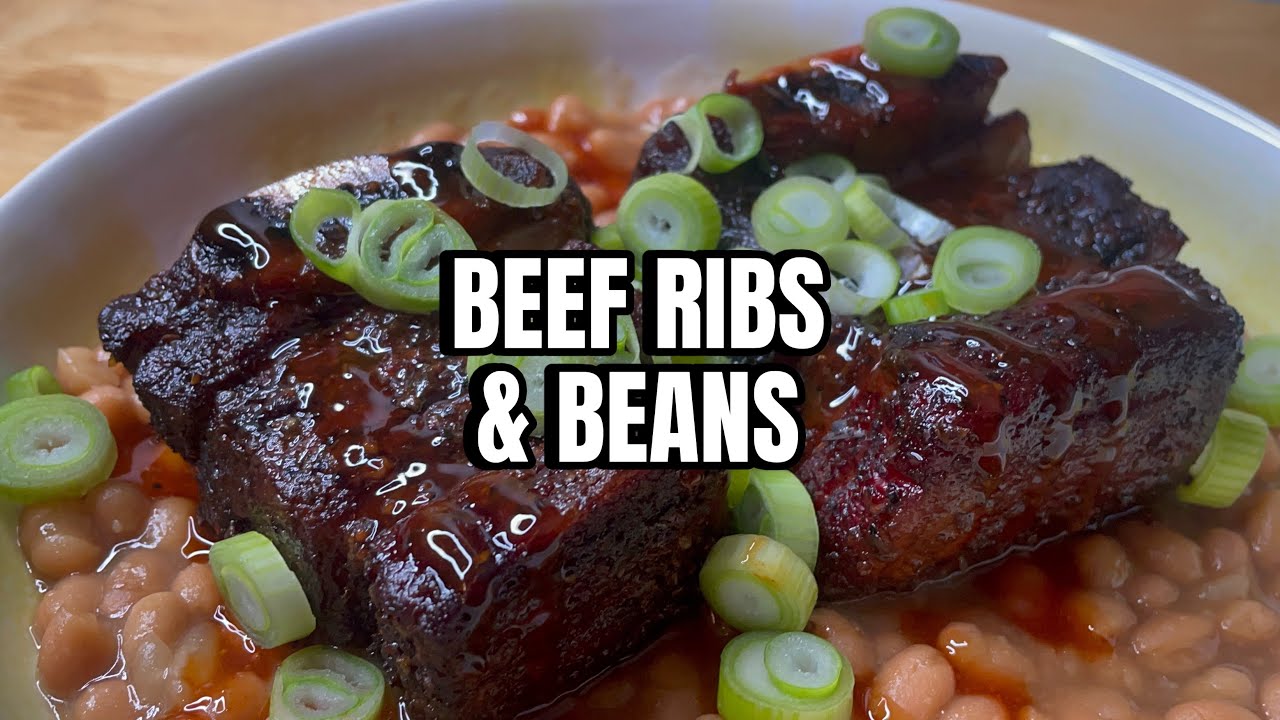
Smoked Beef Short Ribs over Maple Beans

Meaty Vessel Meats short ribs smoked at 225°F until probe-tender, plated over Heinz Maple Beans and glazed with candied habanero hot sauce.

TimeLow & slow Prep15 min YieldServes 4 CategoryBeef Watch5:00
Smoked Beef Short Ribs over Maple Beans — watch on YouTube

Watch the full cook on YouTube

Method

  1. 1Season the beef short ribs generously with Maritime Madness Mighty Mesquite BBQ Rub.Pull the membrane from the bone side and leave the fat cap on. Season far more generously than looks sensible — short ribs are big and eight hours is a long time.
  2. 2Smoke low and slow at 225°F on the pellet smoker until melt-in-your-mouth tender, around 203–205°F internal.225°F is a long road on a cut this thick. Short ribs carry enough fat to run unwrapped the whole way, which gives the best bark. Expect a long stall.
  3. 3Rest the ribs while you warm the Heinz Maple Beans.Rest the ribs wrapped for 30–60 minutes while the beans warm. They hold an enormous amount of heat and rendered fat.
  4. 4Plate the ribs over a bed of the maple beans.Plate over the beans so the rendered fat drips into them — that is the best thing that can happen to a tin of beans.
  5. 5Glaze with Candied Habanero Hot Sauce and finish with a sprinkle of fresh green onion.Glaze off the heat or in the last couple of minutes only. A candied hot sauce is mostly sugar and will scorch.

Watch it on YouTube

What each ingredient is doing

Beef short ribs
From the plate or chuck, thick meat sitting on top of the bone. Among the fattiest, most collagen-heavy cuts on the animal, which is why they suit eight hours.
Mighty Mesquite rub
Assertive and smoky. Short ribs are rich enough to carry it — use far more than looks sensible given the surface area.
Maple beans
Sweet and starchy against extremely rich beef. The sweetness is structural balance, not just a side.
Candied habanero hot sauce
Sweet heat applied at the very end, off the heat. It is sugar-heavy and would burn on the smoker.

Temperature guide

StageTempWhat it means
The stall150–170°F / 66–77°CExpect a long plateau. Short ribs run unwrapped straight through it.
Probe tender203–205°F / 95–96°CBetween the bones, no resistance.
VisualBones pulled backMeat draws back and the rack jiggles when lifted.
Rest30–60 minutesWrapped, while the beans warm.

Pitmaster tips

  • Beef short ribs are done by feel. 203–205°F is the usual landing zone, but the probe sliding in between the bones with no resistance is the actual test — some racks get there sooner and some later.
  • Leave the fat cap on. Short ribs carry a heavy layer that renders through a long cook and bastes the meat; trimming it is the most common reason home-smoked short ribs come out dry.
  • Pull the membrane from the bone side before seasoning. It never renders and it blocks both smoke and rub from that surface.
  • 225°F is a long road on a cut this thick — expect eight hours or more. Short ribs are one of the few cuts where there is genuinely no way to hurry it.
  • Rest them wrapped for 30 minutes to an hour. They hold an enormous amount of heat and rendered fat, and cutting straight into them wastes both.
  • A hot sauce glaze goes on at the very end, off the heat or in the last few minutes. Sugar-based sauces burn quickly, and after eight hours of work that is a bad way to finish.
  • Leave the fat cap on. It renders through the cook and bastes the meat — trimming it is the main reason home-smoked beef ribs come out dry.
  • Season far more heavily than feels right. A rack of short ribs is a lot of surface area and eight hours is a long time.
  • Plate the ribs over the beans so the rendered fat drips into them. That is the point of the pairing.
  • Glaze at the very end or off the heat. A candied hot sauce is sugar and will scorch after eight hours of work.

If it goes wrong

They came out dry
The fat cap was trimmed, or they went far past probe tender. Leave the fat on and start checking around 195°F.
Tough at 203°F
Not done. Some racks need 208°F — probe between the bones and keep going.
The glaze burnt
It went on too early. A candied sauce is sugar — the last couple of minutes, or off the heat entirely.
The rub disappeared
Not enough of it. Season far more heavily than feels right for an eight-hour cook.
The bark is soft
Over-spritzing. Short ribs do not need moisture help; their own fat does that job.

Ways to change it up

Wrap at the stall
Butcher paper with tallow at 170°F. Faster and more tender, at the cost of bark.
Hotter and faster
275°F brings them in around 6 hours.
Salt and pepper only
Coarse SPG, the Texas way.
Different side
Coleslaw, potato salad or mac and cheese in place of the beans.
Offset or kettle
Any smoker holding 225°F. A kettle snake runs long enough for most of it.

What to serve it with

  • One bone per person over a bed of beans.
  • Fresh green onion scattered over.
  • Pickles or a sharp slaw against the fat.
  • White bread to soak up the rendered fat.
  • A dark beer.

Storage & reheating

Short ribs keep 3–4 days refrigerated, stored on the bone and wrapped tightly. Their high fat content makes them one of the more forgiving barbecue leftovers — reheat wrapped in foil at 250°F with a splash of beef broth until warmed through, and the rendered fat melts back through the meat.

They freeze well for about three months, whole on the bone rather than sliced. Vacuum-seal if you can. The best reheat is a sealed bag in barely simmering water, which brings them back close to fresh because they never go past the temperature they were cooked to.

FAQ

What is the difference between beef short ribs and beef back ribs?

Short ribs come from the plate or chuck and are thick, meaty and heavily marbled — the meat sits on top of the bone. Back ribs come from the rib primal after the ribeye has been removed, so most of the meat is between the bones rather than on top. Short ribs are the better barbecue cut by a distance.

How long do beef short ribs take at 225°F?

Usually eight hours or more, depending on thickness. They are one of the thickest, most collagen-heavy cuts you can smoke, and there is no shortcut — you can run them at 275°F to save a couple of hours, but they still need to reach probe-tender around 203°F.

Should I wrap beef short ribs?

You do not need to. They carry so much fat that they can run unwrapped the whole way, which gives the best bark. Wrapping at the stall speeds things up and guarantees tenderness but softens the crust. Either approach works; unwrapped is the more traditional one for beef ribs.

Why serve them over beans?

Practical as much as traditional — short ribs are extremely rich, and a sweet, starchy side with some acidity balances that fat. The rendered beef fat and juices also drip into the beans, which is the best thing that can happen to a tin of beans.

How long do beef short ribs take at 225°F?

Usually eight hours or more, depending on thickness. They are one of the thickest, most collagen-heavy cuts you can smoke, and there is no shortcut — you can run them at 275°F to save a couple of hours, but they still need to reach probe-tender around 203°F.

Why serve them over beans?

Practical as much as traditional — short ribs are extremely rich, and a sweet, starchy side with some acidity balances that fat. The rendered beef fat and juices also drip into the beans, which is the best thing that can happen to a tin of them.

Know your cook

More information, cause recipe back stories are stupid

No 500-word life story — just the good-to-know stuff on what’s actually in this cook. Here’s the rundown on every real ingredient, health and nutrition wise.

Beef
Beef is a complete protein and one of the best food sources of highly absorbable heme iron, zinc, and vitamin B12 — key for energy, immunity, and healthy blood. Fattier BBQ cuts are calorie-dense, so lean trimming and sensible portions keep it balanced.
Chili peppers
Chili peppers are low in calories and high in vitamin C and antioxidants, and their heat comes from capsaicin, which may give metabolism a small nudge. Dial the amount to your spice tolerance.
Onion
Onions are low-calorie aromatics rich in fibre, vitamin C, and antioxidants such as quercetin. They add depth and gentle sweetness without much fat or salt.
Beans
Beans bring plant protein, fibre, and slow-burning carbohydrates to a plate of BBQ, making a rich meal more filling and balanced. They're naturally low in fat.

General nutrition info only, not medical or dietary advice — portions, brands and add-ons change the numbers.

← All recipes  ·  All 46 beef recipes