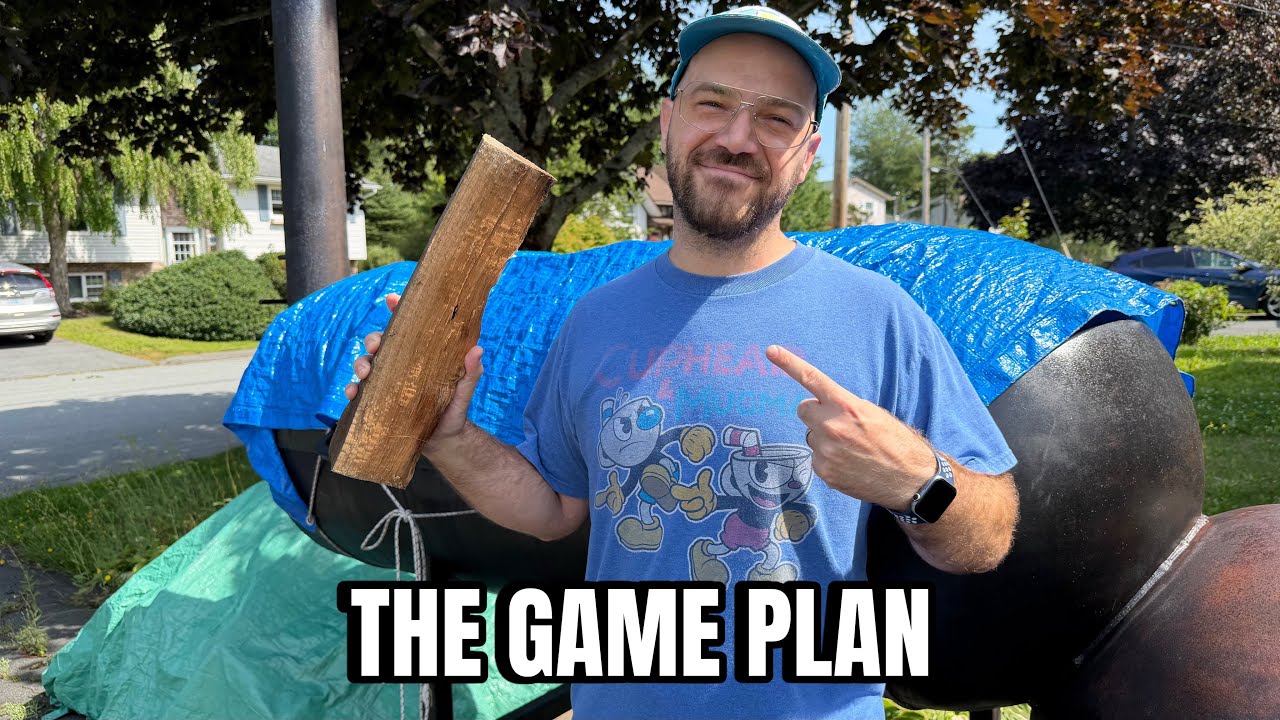
Third competition, first vlog
The Smoke on the Bay BBQ Cookoff is a Kansas City Barbeque Society (KCBS) contest held in Little Brook, in the Clare area at the far southwest end of Nova Scotia, close to the Bay of Fundy. It was Ross's third KCBS competition and the first one he set out to film from start to finish. This first part was recorded in the days before the contest, before a smoker had been lit or any meat cooked. It is simply the plan.
KCBS contests are built around four meat categories: chicken, pork ribs, pork and brisket. Ross entered all four. Each category has its own turn-in time, and the boxes are judged blind by a table of certified judges who score appearance, taste and tenderness, with taste carrying the most weight. That structure is what makes competition cooking such a different job from backyard barbecue: four proteins, four deadlines, and every box built to win over a judge in a bite or two.
Ross is open about where he stands. He is about a year into competition barbecue, has never done especially well at a KCBS event, and goes mainly to have fun and to learn from teams with far more experience. What he does enjoy is the focus it demands, the long stretch of being completely locked in on the cook.
The pits, and getting them there
The main cooker is his big offset smoker, which had to be loaded onto a flatbed truck for the trip. The Traeger Woodridge Pro was going too, and possibly his Napoleon charcoal grill, though that last one was still undecided when he filmed. Bringing more than one cooker is normal at a contest, because four categories rarely want the same fire at the same time.
For the offset, the plan was to start on real wood lump charcoal to build a coal bed before anything else. A solid bed of coals is the foundation of a stable offset fire. It gives the splits added later something hot to catch on, so they ignite quickly and burn cleanly rather than smouldering and pouring out heavy white smoke.
The logistics are the part backyard cooking never tests. Pits, fuel, meat, knives, pans, sauces and a place to work all have to arrive together and be set up on site, and the timeline has to allow for sleep, or the lack of it. As Ross describes it, there are turn-in times, four categories, equipment to organise, meat to plan for, travel and setup, and a lot of things that have to come together at the right time.
Chicken and ribs
Competition chicken thighs are the most labour-intensive part of his plan. Ross pulls the skin off and scrapes away the fat underneath it, then flips the thigh, cuts out the tendon and takes off the largest knuckle portion of the bone. The trimming is about consistency. Thighs of the same shape sit neatly in the box, and scraping the fat from the skin is a standard competition step because skin that has been thinned renders and bites through cleanly instead of turning rubbery, a common complaint about smoked chicken.
For seasoning he expected to use Royal Nova Company products, though his advice is that any brand works as long as the result is balanced: sweet, savoury, a little heat, and a finish that carries through at the back end. The sauce was not settled when he filmed, but he was leaning towards a sweet heat barbecue sauce mixed with butter. He finds it does well in competition, with the butter adding a savoury richness to the glaze.
The ribs were planned as a five-hour cook in three stages: three and a half hours unwrapped, one hour wrapped in foil with butter and sauce, then thirty minutes unwrapped to tack up the sauce. It is a variation on the familiar staged rib method. The unwrapped time builds colour and bark, the foil stage braises the ribs in butter and sauce to push them to tenderness, and the final half-hour firms the sauce into a tacky glaze rather than leaving it wet. Ross said his ribs had been locked in lately, and he went into the weekend confident about them.
Pork and brisket
For pork, Ross bought three pork shoulders so he could cut the money muscle out of each one. The money muscle is a round, well-marbled muscle on the pork butt that cooks evenly and holds its shape when sliced, which is why so many competition pork boxes are built around it.
The new idea this time was to turn in the money muscle three ways in the same box: chopped, sliced and pulled. KCBS allows pork to be presented in more than one form, and a mixed box gives the judges a contrast in texture from the same cut. He also planned to add maraschino cherry liquid to the wrap alongside butter and barbecue sauce, something he had only recently started doing, for extra sweetness and another layer of flavour.
The brisket was Nova Scotia grass-fed beef sourced directly from Vessel Meats, which he was about to go and collect. The seasoning plan was simple: SPG (salt, pepper and garlic), possibly layered with an all-purpose rub to push the beefy flavour. He also planned to bring beef tallow and render it down. Tallow is a common addition to brisket in a wrap or brushed over the slices, and extra richness can matter more with grass-fed beef, which tends to carry less intramuscular fat than grain-finished.
How the plan held up, and what actually came off the smoker, is in part two: the Smoke on the Bay cookoff vlog.


