 Beef
6:21
Beef
6:21
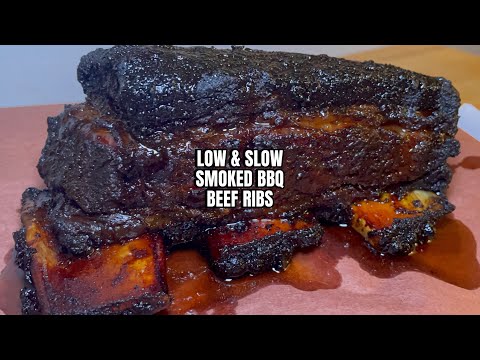
Low & Slow Smoked Beef Short Ribs
Beefy Vessel Meats short ribs seasoned with W Sauce and Cow Cover, smoked over oak on the offset for 8 hours until they hit a tender 203°F.
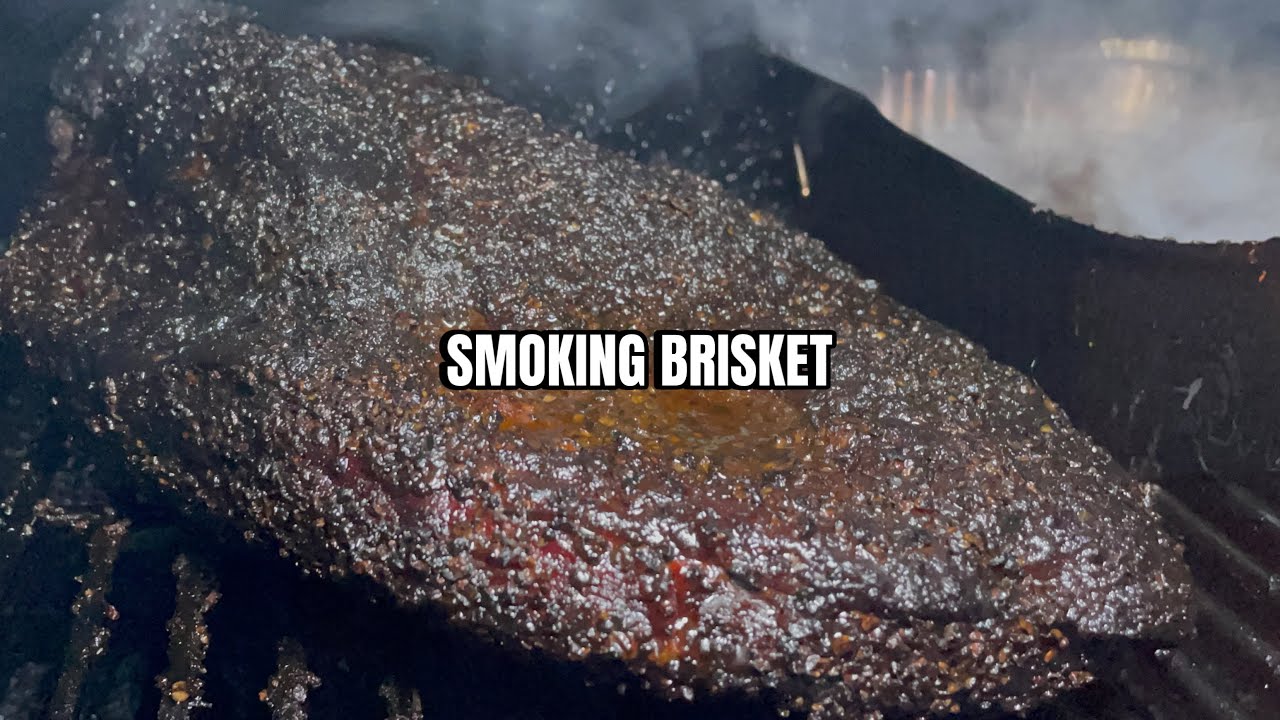
View recipe →A whole beef brisket smoked low and slow over oak with a simple SPG rub, pushed through the stall and rested overnight for buttery-tender slices.
Watch the full cook on YouTube
| Stage | Temp | What it means |
|---|---|---|
| The stall | 150–170°F / 66–77°C | Evaporative cooling. Can last hours. Push through with heat or a wrap. |
| Pull point | 195°F / 91°C | Carryover on a packer is large — it will climb to around 203°F off the pit. |
| Probe tender | 195–205°F / 91–96°C | The real test. No resistance at all in the thickest part of the flat. |
| Overnight hold | 150–170°F / 66–77°C | Safely above 140°F. Improves the meat rather than merely storing it. |
Keep brisket whole and unsliced with its juices — it holds 3–4 days that way and about a day once sliced, since every cut face loses moisture. Pour any rendered fat over the top before sealing; it sets solid and protects the meat underneath.
Reheat wrapped in foil at 250°F with a splash of beef broth or tallow. Better still, vacuum-seal portions and reheat in barely simmering water — the meat never exceeds its cooked temperature, so it comes back remarkably close to fresh. On something that took fourteen hours, that is worth the trouble.
Brisket freezes for about three months. Portion into meal-sized chunks with some of the juices, vacuum-sealed if possible, and thaw overnight in the fridge. Do not slice thin before freezing — the extra surface area is exactly what causes freezer burn.
Evaporative cooling — surface moisture evaporating pulls heat away as fast as the pit adds it, so the internal temperature plateaus around 150–170°F, sometimes for hours. You can wait it out, wrap to stop the evaporation, or raise the pit temperature as this recipe does. Raising the heat keeps the bark firmer than wrapping.
Carryover. A whole packer brisket holds an enormous amount of thermal mass and keeps cooking well after it leaves the pit — roughly eight degrees in this case. Pulling at the target temperature means eating it past the target.
Holding the wrapped brisket in an oven at around 150–170°F for several hours. It is standard practice in barbecue restaurants and competition, and it is safe because the meat stays well above the 140°F danger threshold. It genuinely improves the brisket as residual collagen keeps converting to gelatin.
Against the grain, but the point and flat have grains running at roughly right angles. Separate them along the fat seam after resting, turn each, and slice across its own fibres at about pencil width. One slicing direction for the whole brisket guarantees half of it is chewy.
Because on a cut this rich, beef and smoke are the flavours worth tasting. Coarse pepper also plays a structural role in bark formation rather than just adding flavour. It is the central Texas approach and it is the standard for good reason.
Oak, and post oak in particular, is the traditional Texas choice — clean, moderate and steady over a long fire. Hickory gives a stronger, more assertive smoke. Mesquite is the strongest and turns bitter most easily, so it needs a very clean fire.
No 500-word life story — just the good-to-know stuff on what’s actually in this cook. Here’s the rundown on every real ingredient, health and nutrition wise.
General nutrition info only, not medical or dietary advice — portions, brands and add-ons change the numbers.
Beef
6:21
Beefy Vessel Meats short ribs seasoned with W Sauce and Cow Cover, smoked over oak on the offset for 8 hours until they hit a tender 203°F.
View recipe → Beef
5:00
Beef
5:00
A Steak School breakdown of the underrated Boston sirloin — a beefy top sirloin butt cut seasoned simply and seared hot and fast to medium-rare.
View recipe → Beef
6:17
Beef
6:17
A Steak School breakdown of picanha — the top sirloin cap and its signature fat cap — cooked three ways to a juicy medium-rare.
View recipe → Beef
9:30
Beef
9:30
Meaty Vessel Meats beef ribs smoked 9 hours on a tabletop pellet smoker with W Sauce and Perpetual Beef rub, served with maple beans and a spicy crunch.
View recipe →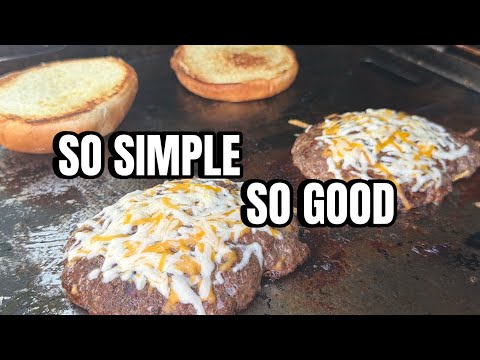 Beef
4:16
Beef
4:16
Sobeys ground beef seasoned with Royal Nova SPG, smashed thick on a hot Napoleon griddle, topped with Cracker Barrel cheese and dressed with ketchup, mustard, pickles and onion.
View recipe → Beef
3:55
Beef
3:55
Leftover smoked brisket piled on King's Hawaiian rolls with pickled jalapeños, red onion, and Tex Mex cheese, then toasted until melty and crisp.
View recipe →