 Beef
4:50
Beef
4:50
Steak School: Boneless Ribeye
A richly marbled boneless ribeye seasoned with Mighty Mesquite, hard-seared for grill marks, then finished on indirect heat for a juicy, tender steak.
View recipe →A steakhouse-classic striploin seasoned with Mighty Mesquite and grilled hot on a gas grill to a juicy medium-rare with a bold, smoky crust.

Watch the full cook on YouTube
| Stage | Temp | What it means |
|---|---|---|
| Medium-rare | 130–135°F / 54–57°C | The sweet spot for a strip. |
| Medium | 135–140°F / 57–60°C | Acceptable — it has enough marbling to take it. |
| Too far | 145°F+ / 63°C+ | Noticeably dry. Moderate marbling only goes so far. |
| Fat edge | Rendered | Stand the steak on it for a minute or two — flat, it never gets hot enough. |
Cooked striploin keeps 3–4 days refrigerated. Its firm texture means it slices cleanly cold and makes a better steak sandwich than most cuts. If reheating, go low — around 250°F until just warm — then flash it in a hot pan if you want the crust back; the fat strip firms hard in the fridge and needs a little heat to be pleasant again.
Raw striploin freezes for 6–12 months wrapped airtight and is a good cut to buy as a whole loin and portion yourself, since you control the thickness. Thicker steaks are more forgiving on the grill, so cut them at least an inch. Thaw overnight in the fridge.
Yes. Striploin, New York strip, Kansas City strip, contre-filet and sirloin steak in the UK all refer to the same muscle from the short loin. The names are regional; the cut is identical.
They are the same muscle at different points along the back. The ribeye sits further forward and carries more fat, including the prized rib cap, which makes it richer and softer. The striploin is further back, leaner and firmer, with a meatier chew and a distinct fat strip along one edge rather than fat running through it.
130–135°F for medium-rare. It has moderate marbling — more than a sirloin, less than a ribeye — so it is reasonably forgiving up to medium but noticeably dries out beyond that.
Render it. Score through it at intervals so it does not contract and curl the steak, then stand the steak on that edge over direct heat for a minute or two before or after searing the faces. Properly rendered it is one of the best parts of the steak; left alone it is the part people cut off and leave.
Yes. Striploin, New York strip, Kansas City strip, contre-filet and sirloin steak in the UK all refer to the same muscle from the short loin. The names are regional; the cut is identical.
They are the same muscle at different points along the back. The ribeye sits further forward and carries more fat, including the prized rib cap, which makes it richer and softer. The striploin is further back, leaner and firmer, with a meatier chew and a distinct fat strip along one edge rather than fat running through it.
No 500-word life story — just the good-to-know stuff on what’s actually in this cook. Here’s the rundown on every real ingredient, health and nutrition wise.
General nutrition info only, not medical or dietary advice — portions, brands and add-ons change the numbers.
Beef
4:50
A richly marbled boneless ribeye seasoned with Mighty Mesquite, hard-seared for grill marks, then finished on indirect heat for a juicy, tender steak.
View recipe → Beef
4:05
Beef
4:05
Buttery, lean beef tenderloin seasoned simply and grilled over Kingsford charcoal on a kettle grill for steakhouse results in the backyard.
View recipe → Beef
4:18
Beef
4:18
Juicy Australian ribeyes topped with fresh homemade chimichurri, served with roasted sweet potatoes finished with feta and an extra drizzle of the sauce.
View recipe →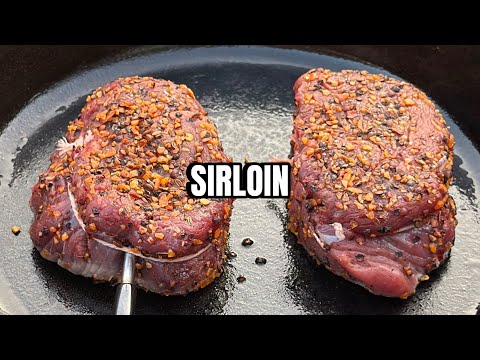 Beef
4:37
Beef
4:37
Grass-fed Nova Scotia sirloin steaks seared in a Lodge cast iron pan on a propane stove, flipped repeatedly for an even crust, then basted with butter, garlic, rosemary and thyme and pulled at 132°F.
View recipe → Beef
5:13
Beef
5:13
A steakhouse-classic Delmonico reverse-seared on the grill with Unreal Pepper rub — low and slow to medium-rare, then finished hot for a golden crust.
View recipe →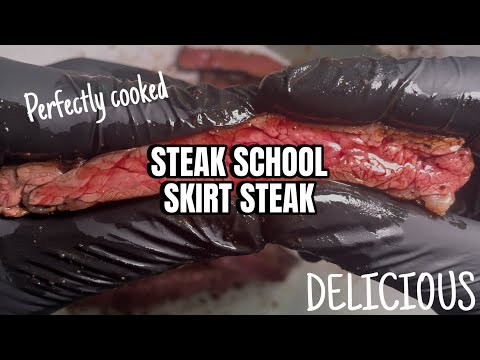 Beef
3:42
Beef
3:42
An underrated, beefy skirt steak seasoned with smoky Ancho Americano chili rub, grilled hot and fast over charcoal, and sliced against the grain.
View recipe →