 Beef
4:05
Beef
4:05
Steak School: Beef Tenderloin
Buttery, lean beef tenderloin seasoned simply and grilled over Kingsford charcoal on a kettle grill for steakhouse results in the backyard.
View recipe →A richly marbled boneless ribeye seasoned with Mighty Mesquite, hard-seared for grill marks, then finished on indirect heat for a juicy, tender steak.

Watch the full cook on YouTube
| Stage | Temp | What it means |
|---|---|---|
| Medium-rare | 130–135°F / 54–57°C | The usual target, and where most of the fat has begun to render. |
| Medium | 135–140°F / 57–60°C | Legitimately good on a ribeye — the marbling needs heat to turn silky. |
| Too rare | Under 125°F / 52°C | Intramuscular fat stays waxy rather than rendering. Unusual advice, but true of this cut. |
| Fat edge | Rendered | Stand the steak on its fat edge for a minute — flat, that band never gets hot enough. |
Cooked ribeye keeps 3–4 days refrigerated. Store it whole and unsliced, and reheat gently — around 250°F in an oven or covered pan until just warm, then a very brief sear if you want the crust back. Microwaving a fatty steak is the worst option; the fat overheats before the meat does and the texture turns greasy.
Raw ribeye freezes for 6–12 months wrapped airtight, though heavily marbled cuts are slightly more prone to freezer burn than lean ones because the fat oxidizes. Vacuum-seal if you can, and thaw overnight in the fridge.
The cap — spinalis dorsi — is the crescent of meat wrapped around the outside of the eye, separated by a seam of fat. It is more marbled, more tender and more flavourful than the centre, and many cooks consider it the single best bite on the animal. Some butchers sell it separately as a cap steak, and it is worth asking.
The difference is smaller than people claim. The bone insulates the meat next to it, so a bone-in steak cooks slightly less evenly and slightly slower — it does not add measurable flavour through the bone. Boneless is easier to sear evenly and easier to carve; bone-in looks better and is harder to overcook.
130–140°F, medium-rare to medium. Unlike lean cuts, a ribeye actually benefits from the higher end of that range because its heavy marbling needs heat to render. Cooked truly rare, the intramuscular fat stays firm and the steak eats waxy rather than rich.
Rendering fat dripping onto the fire. It is a function of the marbling that makes the cut good, so the answer is setup rather than technique: sear over the direct zone, then move to indirect to finish. Chasing flames with a spray bottle just kicks ash onto the steak.
The difference is smaller than people claim. The bone insulates the meat next to it, so a bone-in steak cooks slightly less evenly and slightly slower — it does not add measurable flavour through the bone. Boneless is easier to sear evenly and to carve; bone-in looks better and is harder to overcook.
Rendering fat dripping onto the fire. It is a direct consequence of the marbling that makes the cut good, so the answer is setup rather than technique — sear over the direct zone, then move to indirect to finish. Spraying water just kicks ash onto the steak.
No 500-word life story — just the good-to-know stuff on what’s actually in this cook. Here’s the rundown on every real ingredient, health and nutrition wise.
General nutrition info only, not medical or dietary advice — portions, brands and add-ons change the numbers.
Beef
4:05
Buttery, lean beef tenderloin seasoned simply and grilled over Kingsford charcoal on a kettle grill for steakhouse results in the backyard.
View recipe → Beef
5:28
Beef
5:28
A steakhouse-classic striploin seasoned with Mighty Mesquite and grilled hot on a gas grill to a juicy medium-rare with a bold, smoky crust.
View recipe → Beef
5:00
Beef
5:00
A Steak School breakdown of the underrated Boston sirloin — a beefy top sirloin butt cut seasoned simply and seared hot and fast to medium-rare.
View recipe → Beef
5:13
Beef
5:13
A steakhouse-classic Delmonico reverse-seared on the grill with Unreal Pepper rub — low and slow to medium-rare, then finished hot for a golden crust.
View recipe →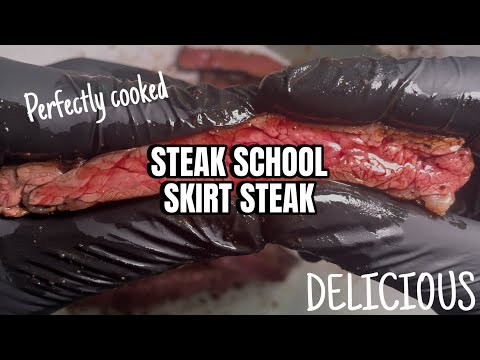 Beef
3:42
Beef
3:42
An underrated, beefy skirt steak seasoned with smoky Ancho Americano chili rub, grilled hot and fast over charcoal, and sliced against the grain.
View recipe → Beef
3:01
Beef
3:01
Smoky chopped brisket piled on a sub roll with shallots, pickled hot peppers, and cheddar, drizzled with Sweet with a Little Heat and toasted golden.
View recipe →