Saucy Rossy BBQ
Beef

Reverse Seared Tri-Tip on an Offset Smoker

Tri-tip smoked over sugar maple at 275°F to 105°F internal, then seared in the firebox on hot cast iron and briefly straight over the coals, finished at 135°F and topped with fresh chimichurri.

Time~2 hrs Prep15 min YieldServes 4–6 CategoryBeef Watch9:46
Reverse Seared Tri-Tip on an Offset Smoker — watch on YouTube

Watch the full cook on YouTube

Method

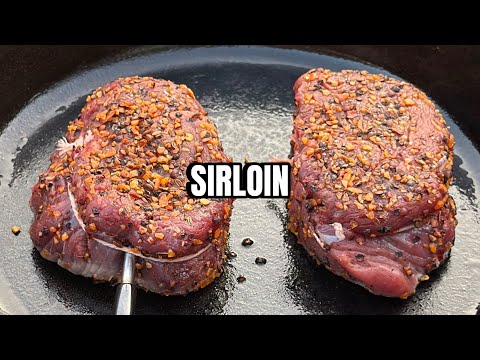
  1. 1Trim the fat cap from the tri-tip and season generously with Buddy's Steak Spice.Unlike a brisket, a tri-tip's fat cap does not have hours to render — on a two-hour cook it mostly just sits there and gets trimmed off the plate. Removing it lets the rub contact the meat directly and lets the sear reach the surface. Season all faces and let it sit while the fire settles.
  2. 2Fire the offset with sugar maple and hold a steady 275°F.275°F rather than 225°F is the right call on a tri-tip — it is a relatively small, lean sirloin muscle and there is nothing to gain from stretching the smoke phase out. Sugar maple is mild and slightly sweet, which suits beef without overwhelming it. Wait for thin blue smoke before the meat goes on.
  3. 3Smoke the tri-tip until it reaches 105°F internal.105°F sounds alarmingly low and it is deliberate. The sear that follows is extremely aggressive — cast iron beside a live coal bed, then directly over the coals — and it will add 30°F or more. Pulling at a conventional 120°F would put you well past medium-rare by the time the crust is built.
  4. 4Transfer the steak into the firebox onto hot cast iron positioned beside the coal bed.This is radiant heat at a level no grill produces. The cast iron sitting next to a burning coal bed gets ferociously hot, and the steak crusts in a fraction of the time it would over a normal fire. Use long tongs and heavy gloves — the firebox is not a comfortable place to work.
  5. 5Briefly place the steak directly over the hot coals for extra bark and live-fire flavour.Seconds, not minutes, and turn constantly. Direct contact with a live coal bed is what produces the char and the flavour you cannot get any other way — and it is also the fastest way to burn a steak, so stay with it.
  6. 6Pull at 135°F internal and rest.It climbed to 140°F during the rest here, leaving the centre medium-rare and the outer edges closer to medium — which is the expected gradient on a tri-tip, since it tapers. Rest 10 minutes on a board.
  7. 7Slice against the grain and top with fresh chimichurri.Tri-tip's grain changes direction roughly where the roast bends. Find that pivot, cut the rested roast in two there, and slice each half across its own fibres. Make the chimichurri while the beef smokes so it has time to sit — it needs at least 20 minutes for the garlic and herbs to infuse.

Watch it on YouTube

What each ingredient is doing

Beef tri-tip
A triangular muscle from the bottom sirloin. Lean, beefy and considerably cheaper than a loin steak, with the quirk that its grain changes direction partway along — which is why slicing matters so much.
Buddy's Steak Spice
A bold savoury steak seasoning. On a cook this short there is no time for a rub to mellow, so a well-balanced blend does its work directly. Low sugar matters given the ferocious sear ahead.
Chimichurri Mix
A dry blend rehydrated with oil and vinegar into fresh chimichurri. Made ahead it needs 20 minutes minimum for the garlic and dried herbs to soften and infuse the oil — made and served immediately it tastes raw.
Sugar maple
A mild, slightly sweet hardwood. It gives clean smoke that suits beef without the assertiveness of mesquite or heavy hickory, which on a short two-hour cook would sit on top of the meat rather than under it.

Temperature guide

StageTempWhat it means
Off the smoker105°F / 41°CDeliberately low. The firebox sear adds 30°F or more.
Off the sear135°F / 57°CPull here. The crust is built and the centre is where you want it.
After resting140°F / 60°CCarryover. Medium-rare centre, edges closer to medium — normal on a tapering cut.
Smoker temp275°F / 135°CHigher than a brisket cook. A small lean roast gains nothing from 225°F.

Pitmaster tips

  • 105°F off the smoker is not a typo. A firebox sear is far more aggressive than a grill and will add 30°F or more — pulling at a normal reverse-sear temperature would take you past medium-rare.
  • Trim the fat cap on a tri-tip. Unlike a brisket it has no hours to render, so it just gets in the way of the rub and the sear.
  • 275°F rather than 225°F. A small lean sirloin muscle gains nothing from a longer, lower smoke phase.
  • Wait for thin blue smoke before the beef goes on. Two hours over a dirty fire is more than enough to make it taste acrid.
  • The firebox is genuinely dangerous. Long tongs, heavy gloves, and clear what you are going to do before you open it.
  • The direct-over-coals phase is seconds, not minutes. Turn constantly and do not walk away.
  • Find the grain change before you slice. Tri-tip's fibres turn roughly where the roast bends — cut it in two there and slice each half across its own grain.
  • Make the chimichurri first. It needs at least 20 minutes for the garlic and dried herbs to infuse the oil, and it is better after an hour.
  • Dry the surface before the sear even mid-cook. A steak that has been sitting in a smoker sweats, and that moisture has to boil off before browning starts.
  • Rest 10 minutes. A hard sear drives moisture toward the centre and it needs a moment to settle back through.

If it goes wrong

It came out medium-well after the sear
It came off the smoker too hot. A firebox sear adds far more temperature than a grill sear — 105°F is the right handoff, and even 115°F may be too high depending on how hot your cast iron gets.
Half the slices are chewy
The grain change was missed. Tri-tip's fibres turn direction partway along the roast. Cut it in two at the bend and slice each piece across its own grain.
The crust is thin and grey rather than dark
The surface was wet, or the cast iron was not hot enough. Pat the steak dry after the smoke phase and give the pan real time beside the coals before the beef touches it.
It burnt over the coals
Too long. That phase is measured in seconds with constant turning — it is there for char and live-fire flavour, not for cooking.
The chimichurri tastes raw and harsh
It was made too late. Give it at least 20 minutes, ideally an hour, for the garlic and dried herbs to soften in the oil and vinegar.
It tastes over-smoked
The fire had not settled, or the wood was damp. Sugar maple is mild — harshness on a two-hour cook almost always means dirty smoke rather than too much wood.

Ways to change it up

Grill instead of firebox
Reverse sear on a two-zone charcoal grill — smoke on the indirect side, then sear over the coals. Less ferocious, so pull at 115–120°F rather than 105°F.
Cast iron on the stove
Smoke to 115°F, then sear in a ripping cast iron pan with a little oil, basting with butter, garlic and thyme. More controllable and nearly as good.
Santa Maria style
Salt, pepper and garlic only, cooked over red oak. The Californian original, and worth trying to see what tri-tip tastes like unadorned.
Cook it like brisket
Take it to 203°F wrapped instead, and it pulls and slices like brisket rather than steak. A completely different dish from the same cut — see the poor man's brisket approach.
Different sauce
Salsa verde, horseradish cream or a compound butter all suit tri-tip. What it wants is something acidic or sharp against a lean, beefy cut.

What to serve it with

  • The chimichurri, generously — it is half the dish, not a garnish.
  • Grilled bread rubbed with garlic to mop the board.
  • Roasted or grilled vegetables, cooked in the smoker alongside.
  • A simple green salad with vinaigrette; the acid matters against lean beef.
  • A bold red wine — malbec is the traditional partner for chimichurri.

Storage & reheating

Cooked tri-tip keeps 3–4 days refrigerated. Store it whole and unsliced — a lean cut sliced thin dries out within a day. It is excellent cold, sliced thin into sandwiches and salads, which suits it better than reheating a steak that was pulled at medium-rare.

If you must reheat, do it fast in a very hot pan for seconds a side, or gently at 250°F until just warm. Any real reheat pushes a medium-rare steak past where it should be.

Chimichurri keeps 4–5 days refrigerated in a sealed jar and improves for the first day or two, though the herbs darken. Bring it to room temperature before serving since the oil solidifies. It also freezes well in an ice cube tray for up to three months. Raw tri-tip freezes for 6–12 months wrapped airtight.

FAQ

Why pull the tri-tip at only 105°F?

Because a firebox sear is far more aggressive than a grill. Cast iron beside a live coal bed, followed by direct contact with the coals, adds 30°F or more in a very short time. Pulling at the usual reverse-sear handoff of 120°F would leave you well past medium-rare once the crust is built.

What is a reverse sear?

Cooking gently first and searing at the end, rather than the other way round. The slow phase brings the interior up evenly so there is no thick grey band under the crust, and the sear at the end builds the surface in a couple of minutes. It suits thick cuts particularly well.

Which way do I slice a tri-tip?

Against the grain — but the grain changes direction partway along the roast, roughly where it bends. Cut the rested roast into two pieces at that pivot point, then slice each across its own fibres. Slicing the whole thing in one direction is why people find tri-tip chewy.

Should I trim the fat cap off a tri-tip?

For a cook this short, yes. Unlike a brisket, a tri-tip does not spend enough hours in the smoker for a thick fat cap to render, so it mostly gets in the way of the rub and the sear and ends up trimmed off on the plate.

Can I do this without an offset smoker?

Yes. Any smoker or two-zone charcoal grill holding 275°F works for the first phase, then sear over the coals or in a ripping cast iron pan. Adjust the handoff temperature upward to 115–120°F, since a normal sear is gentler than a firebox.

What wood is best for tri-tip?

Mild hardwoods — sugar maple as here, oak, or fruit woods like apple and cherry. Red oak is the traditional Santa Maria choice. On a two-hour cook a strong wood like mesquite sits on top of the beef rather than complementing it.

Know your cook

More information, cause recipe back stories are stupid

No 500-word life story — just the good-to-know stuff on what’s actually in this cook. Here’s the rundown on every real ingredient, health and nutrition wise.

Beef
Beef is a complete protein and one of the best food sources of highly absorbable heme iron, zinc, and vitamin B12 — key for energy, immunity, and healthy blood. Fattier BBQ cuts are calorie-dense, so lean trimming and sensible portions keep it balanced.

General nutrition info only, not medical or dietary advice — portions, brands and add-ons change the numbers.

← All recipes