 Pork
4:51
Pork
4:51
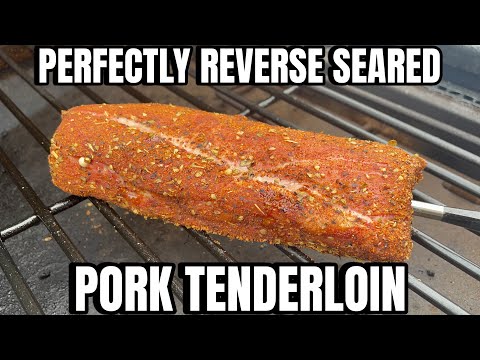
Reverse Seared Pork Tenderloin
Pork tenderloin smoked at 250°F over maple pellets, then seared screaming hot in a pan for a juicy centre and a deep, caramelized crust.
View recipe →A simple two-zone method for juicy, tender charcoal-grilled pork tenderloin that never dries out.

Watch the full cook on YouTube
| Stage | Temp | What it means |
|---|---|---|
| The target | 145°F / 63°C | USDA safe for whole-muscle pork. Slightly pink and correct. |
| After resting | 152°F / 67°C | Carryover. Where it lands on the plate. |
| Too far | 160°F+ / 71°C+ | Dry. The old well-done advice predates modern pork. |
| Rest | 5–10 minutes | Not optional on a cut this lean. |
Sliced pork tenderloin keeps 3–4 days in the fridge. Because it is so lean, it reheats badly with dry heat — warm the slices covered with a splash of stock or juice at a low temperature, or use them cold in sandwiches and salads, which is honestly the better outcome. Store it as a whole piece and slice as you go if you can; whole meat dries out far more slowly than slices.
Cooked tenderloin freezes for about three months, though the texture tightens. Raw tenderloin freezes better — up to six months wrapped airtight. Thaw either in the fridge overnight rather than on the counter.
Pull it at 145°F and rest it. That is the USDA safe temperature for whole-muscle pork and it leaves the centre slightly pink, which is correct and safe. Cooking to 160°F or beyond is what makes tenderloin dry — it has almost no fat to protect it.
No, and they are not interchangeable. Tenderloin is a small, thin muscle about a pound or so that cooks in 20–30 minutes. Pork loin is a much larger roast that takes well over an hour. Using loin timings on a tenderloin will ruin it.
Because it is lean and thin. Direct heat browns the outside in a couple of minutes, which is not long enough for the middle to come up — so you sear over the coals for crust, then move it to the indirect side where it can reach 145°F without the surface overcooking.
It is not required if you pull it at 145°F, which is where most dry tenderloin actually goes wrong. A short brine does add insurance and seasons the meat through, but accurate temperature and a real rest do more for juiciness than a brine covering for an overcooked piece of meat.
No, and they are not interchangeable. Tenderloin is a small, thin muscle about a pound that cooks in 20–30 minutes. Pork loin is a much larger roast that takes well over an hour. Using loin timings on a tenderloin will ruin it.
It is not required if you pull it at 145°F, which is where most dry tenderloin actually goes wrong. A short brine adds insurance and seasons the meat through, but accurate temperature and a real rest do more for juiciness than a brine covering for an overcooked piece of meat.
No 500-word life story — just the good-to-know stuff on what’s actually in this cook. Here’s the rundown on every real ingredient, health and nutrition wise.
General nutrition info only, not medical or dietary advice — portions, brands and add-ons change the numbers.
Pork
4:51
Pork tenderloin smoked at 250°F over maple pellets, then seared screaming hot in a pan for a juicy centre and a deep, caramelized crust.
View recipe → Pork
4:21
Pork
4:21
Butterflied pork tenderloin stuffed with shredded apple and blueberry raisins, charcoal-grilled and glazed with Fearman's Fire Applesauce for sweet heat.
View recipe → Pork
4:23
Pork
4:23
BBQ basics done right — juicy, tender offset-smoked pork ribs over sugar maple with a butter wrap and a lacquered glaze.
View recipe → Pork
5:55
Pork
5:55
Thick-cut pork chops grilled two-zone over maple lump charcoal, finished with a hot sear and a light glaze of Ted Reader No Sugar BBQ Sauce.
View recipe → Pork
4:50
Pork
4:50
Smoked pork money muscle sliced thin and turned into the ultimate topping on a blazing-hot wood-fired pizza.
View recipe → Pork
5:44
Pork
5:44
Tender, sticky pork ribs smoked low and slow on a pellet grill with a butter wrap and a bold Atlantic-Canadian hot-sauce glaze.
View recipe →