Saucy Rossy BBQ
Pork

Two-Zone Charcoal Grilled Pork Chops

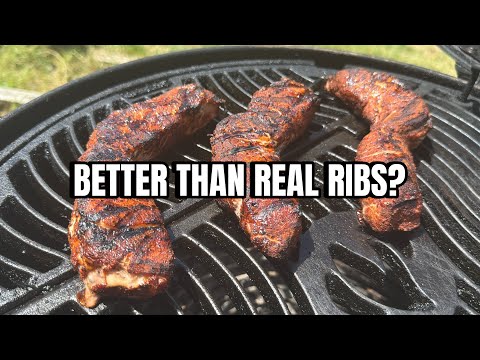
Thick-cut pork chops grilled two-zone over maple lump charcoal, finished with a hot sear and a light glaze of Ted Reader No Sugar BBQ Sauce.

Time~45 min Prep10 min YieldServes 4 CategoryPork Watch5:55
Two-Zone Charcoal Grilled Pork Chops — watch on YouTube

Watch the full cook on YouTube

Method

  1. 1Season the thick-cut pork chops with Ted Reader's Bone Dust BBQ Rub.Pat the chops dry first. Thick-cut is essential to this method — a thin chop reaches 130°F before any crust can form, which defeats the whole reverse-sear approach.
  2. 2Fire up the Napoleon charcoal grill with Basques maple wood lump charcoal and set up a two-zone fire.Coals banked to one side, a third to a half of the grate left empty. Maple lump burns clean and hot, which is what you want for the sear at the end.
  3. 3Cook the chops on the indirect side until they reach an internal temperature of 130°F.130°F on the indirect side is a handoff, not a finish. The sear over live coals adds real temperature, so pulling at 145°F here would take you well past it. Lid down for this phase.
  4. 4Move them directly over the hot coals and sear until beautifully crusted.A minute or two a side over the coals is enough. Watch for flare-ups from the rendering fat and move a chop rather than spraying the fire.
  5. 5Brush on a layer of Ted Reader's No Sugar BBQ Sauce for a glaze that doesn't overpower the natural pork flavour.A no-sugar sauce is the reason this glaze can go on over direct heat without burning. A conventional BBQ sauce would need to go on off the coals.
  6. 6Rest the chops, then slice and serve.Rest five minutes on a rack, then slice. Carryover takes them to around 145°F, which is where whole-muscle pork belongs.

Watch it on YouTube

What each ingredient is doing

Thick-cut pork chops
At least an inch and a half. Thickness is what makes a reverse sear possible — a thin chop hits temperature before any crust forms, so you get grey meat and no crust.
Bone Dust BBQ rub
A savoury barbecue blend. Because the sauce at the end carries no sugar, the rub is free to be assertive without two sugar layers competing.
No Sugar BBQ sauce
The reason this glaze works over direct heat. Sugar is what burns on a hot grate, and a sugar-free sauce can go on over the coals without scorching — a genuinely useful trick.
Maple lump charcoal
Burns hot and clean with a light sweetness. Lump is the right choice when the cook ends with a hard sear.

Temperature guide

StageTempWhat it means
Off indirect130°F / 54°CThe handoff. The sear adds the rest.
Final145°F / 63°CUSDA safe for whole-muscle pork. Slightly pink and correct.
Too far160°F+ / 71°C+Dry. The old well-done advice is why chops get a bad reputation.
Rest5 minutesOn a rack, so the crust stays crisp underneath.

Pitmaster tips

  • Buy thick-cut chops, at least an inch and a half. A thin chop reaches temperature before any crust can form, which makes a reverse sear pointless.
  • 130°F is the handoff, not the target. A hard sear over live coals adds real temperature — build that margin in.
  • A no-sugar sauce can go on over direct heat without burning. That is the whole reason it works here; a conventional BBQ sauce would need to go on off the coals.
  • Score the fat cap at intervals so it renders rather than curling the chop off the grate.
  • Pat the chops dry before seasoning. Surface moisture has to boil off before browning starts.
  • Keep the lid down on the indirect phase. It holds temperature and speeds the cook considerably.
  • Watch for flare-ups during the sear and move the chop rather than spraying the fire — water throws ash onto the food.
  • Rest on a rack rather than a plate so the crust underneath stays crisp.
  • Slightly pink at 145°F is correct and safe for whole-muscle pork. The USDA lowered the target in 2011.
  • Use a thermometer rather than a timer. Chop thickness varies enormously and the window is narrow.

If it goes wrong

The chops are dry
Past 145°F. Use a thermometer and account for the sear adding temperature — pull off the indirect side at 130°F.
No crust formed
The chops were wet or the coals were not hot enough. Dry them properly and rake the coals together for a genuinely fierce sear.
They cooked through before searing
The chops were too thin. This method needs at least an inch and a half of thickness to work.
The chops curled
An unscored fat cap contracting. Score through the fat at intervals before cooking.
The glaze burnt
If you substituted a conventional sauce, that is why — sugar burns over live coals. Either use a no-sugar sauce as written, or glaze on the indirect side.

Ways to change it up

Conventional BBQ sauce
Works fine, but glaze on the indirect side in the last few minutes rather than over the coals — sugar burns.
Brined chops
A 30–60 minute brine adds insurance on a lean cut. Pat very dry afterwards or the crust suffers.
Compound butter
A slice of herb butter over the rested chops instead of a glaze. No sugar to burn at all.
Add smoke
One chunk of apple or maple on the coals during the indirect phase. Enough time to pick up real flavour.
Gas grill
Burners on one side, same two-zone logic. Crank the hot side for the sear.

What to serve it with

  • Apple sauce or a fruit chutney — an old pairing for good reason.
  • Roast or mashed potatoes.
  • A sharp slaw or green salad for acidity.
  • Grilled vegetables cooked on the direct side while the chops finish.
  • A cold cider.

Storage & reheating

Cooked chops keep 3–4 days refrigerated. Store them whole rather than sliced, since every cut face loses moisture and this is a lean cut with little margin.

Because they were pulled at 145°F, reheating pushes them past where they should be. Warm them gently in a covered pan with a splash of stock, or slice them cold into sandwiches and salads — genuinely the better option.

Raw pork chops freeze well for 4–6 months wrapped airtight, and buying thick-cut chops in bulk and portioning them is sensible. Thaw overnight in the fridge and pat very dry before seasoning — a wet thawed chop will not take a crust.

FAQ

What temperature should pork chops be cooked to?

145°F, then rested. That is the USDA safe temperature for whole-muscle pork and it leaves the centre faintly pink, which is correct and safe. The old advice to cook pork to 160°F or beyond predates modern pork farming and is the single biggest reason chops get a reputation for being dry.

Why cook to 130°F before searing?

Because the sear adds real temperature. A hard sear over live coals will take a chop up 15°F or more, so pulling off the indirect side at your final target means eating it well past that. Building the margin in is the whole discipline of a reverse sear.

Why do thick chops matter for this method?

Because a thin chop reaches 130°F long before any crust has formed. The reverse sear works by separating the cooking from the browning, and that only makes sense when the meat is thick enough to still need browning once it is nearly cooked. An inch and a half is the practical minimum.

Can I use a regular BBQ sauce?

Yes, but not over the coals. A no-sugar sauce is the reason this glaze can go on during the sear — sugar is what burns on a hot grate. With a conventional sauce, glaze on the indirect side in the last few minutes instead.

Should I brine pork chops?

It helps but is not required if you cook to 145°F, which is where most dry pork actually goes wrong. A 30–60 minute brine adds insurance and seasons the meat through — just pat the chops very dry afterwards, because a wet surface will not take a crust.

Why score the fat cap?

So it renders instead of contracting. Fat shrinks faster than muscle under heat, and an unscored cap pulls the chop into a curve that lifts part of it off the grate. A few cuts through the fat at intervals solves it.

Know your cook

More information, cause recipe back stories are stupid

No 500-word life story — just the good-to-know stuff on what’s actually in this cook. Here’s the rundown on every real ingredient, health and nutrition wise.

Pork
Pork is a protein-rich meat that's especially high in thiamine (vitamin B1) — more than most other meats — plus B6, niacin, and selenium. Tenderloin and loin are lean; shoulder and belly are richer, so portion the fattier cuts.

General nutrition info only, not medical or dietary advice — portions, brands and add-ons change the numbers.

← All recipes  ·  All 38 pork recipes