Saucy Rossy BBQ
Beef

Smoked Roast Beef for Sandwiches

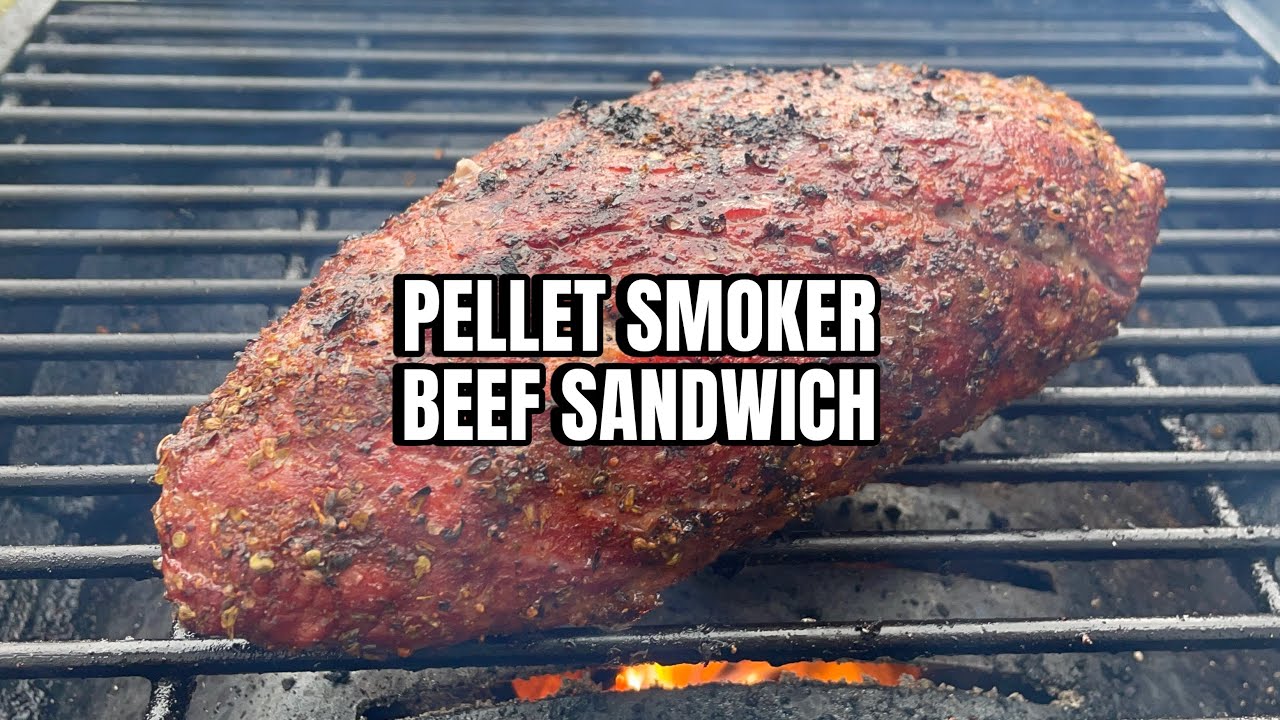
Half tri-tip smoked and reverse-seared on a pellet grill, sliced paper-thin, and stacked on toasted bread with mustard and balsamic onions.

Time~2 hrs Prep15 min YieldServes 6–8 CategoryBeef Watch7:17
Smoked Roast Beef for Sandwiches — watch on YouTube

Watch the full cook on YouTube

Method

  1. 1Season the tri-tip generously with Mighty Mesquite and preheat the pellet smoker to 250°F.Season generously — tri-tip is lean and the rub carries more of the flavour than it would on a marbled cut.
  2. 2Smoke over hickory and maple pellets until the internal temperature reaches 120°F.250°F over hickory and maple. The pellets go on for smoke rather than heat here; the low temperature is what keeps a lean roast from drying.
  3. 3Increase the smoker to 500°F, open the searing plate, and sear until a light crust forms and the beef hits 135°F internal.120°F is the handoff, not the finish. A 500°F sear adds real temperature, and pulling at 135°F before searing means finishing well past medium-rare.
  4. 4Rest the tri-tip for 15 minutes, then slice it paper-thin on the meat slicer.Rest 15 minutes before slicing, and chill it hard if you want genuinely deli-thin slices. Warm beef compresses under a blade; cold beef cuts clean.
  5. 5Fry the sliced red onion in a pan with a splash of balsamic vinegar until soft and lightly caramelized.Add the balsamic near the end of frying the onions, not at the start. Vinegar added early boils off and the sugars scorch.
  6. 6Toast the Vellagio bread, spread with French's mustard, pile on the thin-sliced smoked beef, and top with the balsamic onions.Toast the bread and spread the mustard on the toasted face so it acts as a barrier.

Watch it on YouTube

What each ingredient is doing

Half tri-tip
A lean sirloin muscle whose grain changes direction partway along. Thin slicing is what delivers tenderness on a cut this firm.
Mighty Mesquite rub
Assertive and smoky. On a lean cut the rub does more of the flavour work than it would on a marbled steak.
Hickory and maple pellets
Hickory for backbone, maple to soften it. A balanced blend suits beef that will be eaten thin and cold.
Red onion and balsamic
Cooked down into a sweet-sharp topping. The balsamic goes in near the end so it does not boil off or scorch.
Meat slicer
Not essential but transformative. A long sharp carving knife on a properly chilled roast gets close.

Temperature guide

StageTempWhat it means
Off the smoker120°F / 49°CThe handoff. The 500°F sear adds the rest.
After searing135°F / 57°CMedium-rare, and the ceiling on a lean cut.
Rest15 minutesBefore slicing. Chill hard for deli-thin.
SlicePaper-thin, across the grainThis is what makes a firm lean cut eat tender.

Pitmaster tips

  • Chill the cooked tri-tip thoroughly before slicing if you want deli-thin slices. Warm beef compresses and tears under a slicer blade; cold beef cuts clean, and this is the single biggest factor in getting paper-thin roast beef at home.
  • 120°F is the pull temperature for the smoke phase because the 500°F sear adds real heat. Going to 135°F before searing means finishing well past medium-rare.
  • Tri-tip has a grain that changes direction partway along the roast. Find where it turns, cut the roast in two at that point, and slice each half against its own fibres.
  • Rest a full 15 minutes before slicing and longer before it hits the slicer. A hot roast on a slicer loses juice everywhere and slices raggedly.
  • Thin slicing is doing the tenderising here. Tri-tip is a lean sirloin muscle, and at deli thickness the muscle fibres are short enough that it eats tender even though the cut itself is firm.
  • The balsamic goes in near the end of frying the onions, not the start. Vinegar added early boils off and the sugars scorch in the pan before the onions are soft.
  • Chill the cooked roast before slicing if you want deli-thin. Warm beef compresses and tears under a blade; cold beef cuts clean.
  • 120°F off the smoker, not 135°F. A 500°F sear adds real temperature and skipping that margin overshoots.
  • Add the balsamic near the end of frying the onions. Early, it boils off and the sugars scorch.
  • Find the grain change on the tri-tip before slicing. Its fibres turn direction where the roast bends.

If it goes wrong

It ended up medium-well
It came off the smoker too hot. The 500°F sear adds real temperature — 120°F is the right handoff.
I could not slice it thin
Not cold enough. Chill it hard, or firm it in the freezer for 30 minutes before slicing.
Half the slices are chewy
Tri-tip's grain changes where the roast bends. Cut it in two at that pivot and slice each across its own fibres.
The onions burnt
The balsamic went in too early. Its sugars scorch — add it near the end.
The sandwich went soggy
Toast the bread and use the mustard as a barrier on the toasted face.

Ways to change it up

Eye of round instead
Leaner, cheaper and more uniform — the traditional deli cut. Same temperatures and technique.
Chill overnight
For genuinely paper-thin deli slices, chill the roast fully before slicing. It is the single biggest factor.
French dip
Serve with hot beef broth for dipping rather than mustard and onions.
Horseradish cream
Sharper and more classic with cold roast beef than mustard.
Skip the sear
Smoke straight to 135°F for a softer crust. Faster, less dramatic.

What to serve it with

  • Toasted bread with mustard and balsamic onions.
  • Horseradish or extra mustard on the side.
  • Pickles for acidity.
  • Chips or a sharp salad.
  • A cold beer.

Storage & reheating

Sliced smoked beef keeps 3–4 days refrigerated in a sealed container. Store it in a stack rather than spread out, with a little of the resting juice, and it will stay moist. It is designed to be eaten cold on sandwiches, so reheating is optional — if you do want it warm, dip the slices briefly in hot beef broth rather than microwaving them.

It freezes for about three months, and freezing it in sandwich-sized portions between sheets of parchment makes it easy to pull out a handful at a time. Thaw in the fridge. Frozen and thawed slices are noticeably better in a hot sandwich than eaten cold.

FAQ

How do I slice roast beef thin enough at home without a slicer?

Chill it hard first — a couple of hours in the fridge or 30–40 minutes in the freezer firms the meat so it holds its shape under the knife. Then use a long, very sharp carving knife and slice across the grain with a smooth drawing motion rather than a sawing one. Cold meat and a sharp knife matter more than the tool.

Why sear after smoking instead of before?

It is a reverse sear. Smoking to 120°F first brings the whole roast up evenly and gives it time to take on smoke, then the high-heat sear builds crust in a couple of minutes without adding a thick grey band under the surface. Searing first would mean the crust sits on the roast for two hours getting soft.

What other cuts work for smoked roast beef?

Eye of round and top round are the traditional deli choices — very lean, cheap and made for thin slicing. Sirloin tip works too. All of them want the same treatment: smoked to medium-rare, chilled hard, sliced paper thin. Do not take any of them past 135°F.

What temperature should the beef be for sandwiches?

Pull it around 130–135°F for medium-rare. Roast beef destined for thin slicing should never go past medium — these are lean cuts with no marbling to protect them, and the thin slicing is what delivers tenderness rather than the cook.

How do I slice roast beef thin enough at home without a slicer?

Chill it hard first — a couple of hours in the fridge or 30–40 minutes in the freezer firms the meat so it holds its shape under the knife. Then use a long, very sharp carving knife and slice across the grain with a smooth drawing motion rather than sawing. Cold meat and a sharp knife matter more than the tool.

Why sear after smoking instead of before?

It is a reverse sear. Smoking to 120°F first brings the whole roast up evenly and gives it time to take on smoke, then the high-heat sear builds crust in a couple of minutes without adding a thick grey band under the surface. Searing first would mean the crust sits on the roast for two hours getting soft.

Know your cook

More information, cause recipe back stories are stupid

No 500-word life story — just the good-to-know stuff on what’s actually in this cook. Here’s the rundown on every real ingredient, health and nutrition wise.

Beef
Beef is a complete protein and one of the best food sources of highly absorbable heme iron, zinc, and vitamin B12 — key for energy, immunity, and healthy blood. Fattier BBQ cuts are calorie-dense, so lean trimming and sensible portions keep it balanced.
Onion
Onions are low-calorie aromatics rich in fibre, vitamin C, and antioxidants such as quercetin. They add depth and gentle sweetness without much fat or salt.

General nutrition info only, not medical or dietary advice — portions, brands and add-ons change the numbers.

← All recipes  ·  All 46 beef recipes