Saucy Rossy BBQ
Beef

Deli-Style Smoked Roast Beef

An inside round oven roast smoked at 225°F with apple pellets to 135°F, then wrapped and chilled overnight so it can be sliced paper-thin into deli-style roast beef for sliders.

Time~3 hrs + chill Prep10 min YieldServes 8–10 CategoryBeef Watch6:35
Deli-Style Smoked Roast Beef — watch on YouTube

Watch the full cook on YouTube

Method

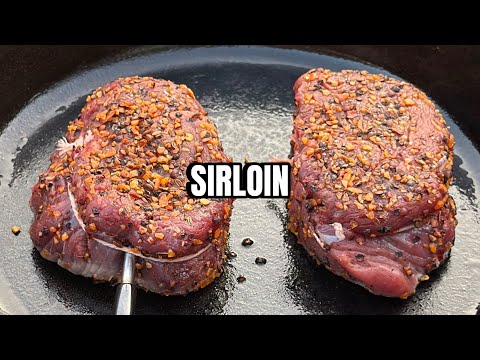
  1. 1Pat the roast dry and season it generously with Everything Seasoning.Drying matters because a wet surface will not take a bark. Inside round is a very lean, uniform muscle with almost no fat cap, so season every face — there is no fat layer for flavour to render through, and what you put on the outside is what you get.
  2. 2Insert a leave-in thermometer probe and set the smoker to 225°F with Super Smoke and apple pellets.A leave-in probe matters here because the entire recipe hinges on catching 135°F exactly — inside round is lean enough that a few degrees past medium-rare is the difference between deli beef and shoe leather. Super Smoke, where a pellet grill offers it, increases smoke output at low temperatures. Apple is mild and sweet, which suits beef being served cold and thin.
  3. 3Smoke until the roast reaches 135°F internal.135°F is medium-rare and it is a hard ceiling on this cut. Inside round has no marbling to fall back on — every degree beyond costs moisture you cannot recover, and thin slicing will not rescue an overcooked roast. Expect around three hours, but the probe decides.
  4. 4Remove from the smoker and let it rest.Rest at room temperature until it stops steaming, roughly 20–30 minutes. Wrapping a hot roast traps steam, which softens the bark you just built and can leave condensation against the meat.
  5. 5Wrap tightly in parchment paper, then in plastic wrap, and refrigerate overnight — or at least 2–4 hours.This is the step that makes deli-thin slicing possible. Chilling firms the meat so it holds its shape under a blade instead of compressing and tearing. Parchment against the meat stops the plastic sticking to the bark; the plastic on the outside stops it drying. Overnight is better than four hours.
  6. 6Slice the cold roast as thinly as you can manage.Against the grain, with a long sharp carving knife and a smooth drawing motion rather than sawing — or on a slicer if you have one. Thin slicing is doing the tenderising here: at deli thickness the muscle fibres are short enough that a firm lean cut eats tender.
  7. 7Pile onto King's Hawaiian rolls with fresh coleslaw for sliders.Cold thin-sliced beef, sweet soft rolls and sharp slaw — the slaw is structural rather than decorative, since it supplies the acid and moisture a lean cold roast lacks. Toast the cut faces of the rolls if you want them to hold up.

Watch it on YouTube

What each ingredient is doing

Inside round oven roast
From the hind leg — very lean, very uniform, and cheap. Its uniformity is the point: an even cylinder cooks evenly and slices into consistent rounds, which is exactly what deli meat needs. Eye of round and top round behave the same way.
Everything Seasoning
An all-purpose savoury blend. On a lean cut with no fat cap, the seasoning is doing all the flavour work on the outside, so be generous. Low sugar is right for a long low smoke.
Apple pellets
Mild and slightly sweet. Because this beef is eaten cold and thin, a heavy smoke would dominate — cold food carries smoke more assertively than hot food, so a gentle wood is the right call.
King's Hawaiian rolls
Soft and slightly sweet, which plays against salty beef and sharp slaw. They are structurally weak, so toast the cut faces if the sliders are not being eaten immediately.
Coleslaw
Not a garnish. A lean roast served cold has little fat or moisture of its own, and the slaw's acidity and creaminess are what make the slider work rather than eat dry.

Temperature guide

StageTempWhat it means
The target135°F / 57°CMedium-rare, and a hard ceiling on a lean round. Pull here.
Too far145°F+ / 63°C+Dry. There is no marbling to fall back on and thin slicing will not rescue it.
Chill2–4 hours minimumOvernight is better. This is what makes paper-thin slicing possible.
SliceCold, against the grainThin slicing is the tenderising step on a lean cut.

Pitmaster tips

  • 135°F and not a degree more. Inside round is one of the leanest cuts on the animal and there is no fat to protect it — this number is the whole recipe.
  • Chill the roast hard before slicing. Warm beef compresses and tears under a blade; cold beef cuts clean. This is the single biggest factor in getting deli-thin slices at home.
  • Overnight beats four hours. The longer the chill, the firmer the roast and the thinner you can go.
  • Parchment against the meat, plastic on the outside. Plastic directly on warm bark sticks to it and pulls it off when you unwrap.
  • Let it stop steaming before you wrap it. Wrapping hot traps condensation against the meat and softens the bark.
  • Slice against the grain with a smooth drawing motion, not a sawing one. A long carving knife works; a serrated bread knife tears.
  • Thin slicing is doing the tenderising. At deli thickness the muscle fibres are short enough that a firm lean cut eats tender — that is why this method works on a cheap roast.
  • Use a mild wood. This beef is eaten cold, and cold food carries smoke more assertively than hot food does.
  • A leave-in probe is worth it. The window between 135°F and ruined is narrow, and opening a pellet grill repeatedly costs real recovery time.
  • Season generously. There is no fat cap on this cut, so everything you taste on the outside is what you put there.

If it goes wrong

The roast is tough and dry
It went past 135°F. Inside round has essentially no marbling, so there is no recovering it. Use a leave-in probe and pull the moment it reads — this cut punishes guessing more than almost any other.
I cannot slice it thin
It was not cold enough. Chill it overnight, or firm it up for 30–40 minutes in the freezer before slicing. A sharp knife matters, but temperature matters more.
The slices are ragged and torn
A dull knife, a sawing motion, or slicing warm. Use a long sharp carving knife and draw it through in one smooth stroke, on a properly chilled roast.
The plastic wrap stuck to the bark
It went on hot, or without parchment underneath. Let the roast stop steaming, wrap in parchment first, then plastic.
It tastes too smoky
Cold food carries smoke more strongly than hot food. Use less wood or a milder pellet — apple is already gentle, so if it is still too much, cut the Super Smoke phase short.
The slices are chewy despite being thin
Sliced with the grain. Find the direction the fibres run before you start and cut squarely across them — on a uniform round that direction does not change, so once you have it right the whole roast slices the same way.

Ways to change it up

Eye of round or top round
Both behave almost identically — lean, uniform, cheap and made for thin slicing. Same temperature, same chill, same technique.
Horseradish cream
Swap the slaw for horseradish mixed into sour cream or crème fraîche. Sharper and more classic with cold roast beef.
Hot sandwiches
Dip the thin slices briefly in hot beef broth and build a French dip. Because the beef is already medium-rare, warming it in liquid rather than reheating it dry keeps it from overcooking.
Reverse sear it
Pull at 125°F, then sear hard in a ripping pan or over coals to finish at 135°F. Adds a crust the low-and-slow version does not have, at the cost of a slightly less uniform interior.
Pastrami direction
Brine the round first and use a coriander and black pepper crust rather than an all-purpose rub. Same cook and chill, a completely different sandwich.

What to serve it with

  • Sliders on soft rolls with coleslaw, as in the video.
  • A classic cold roast beef sandwich with horseradish and sharp mustard.
  • French dip with hot beef broth for dunking.
  • Piled onto a salad or a grain bowl for lunches through the week.
  • Pickles or pickled onions alongside — a lean cold cut wants acid.

Storage & reheating

This recipe is designed around refrigeration, so leftovers are the point rather than an afterthought. The whole chilled roast keeps 4–5 days sealed, and it keeps far better as a whole piece than as slices — every cut face is somewhere moisture escapes, so slice only what you need each time.

Sliced roast beef keeps 3–4 days in a sealed container. Store it in a stack rather than spread out. It is meant to be eaten cold, so no reheating is required; if you want it warm, dip the slices briefly in hot broth rather than microwaving them, which will take medium-rare beef straight past well done.

It freezes for about three months. Freeze it as a whole piece if you can, or in sandwich-sized portions between sheets of parchment. Thaw overnight in the fridge and slice from cold. Frozen and thawed slices are noticeably better in a hot sandwich than eaten cold.

FAQ

How do I slice roast beef thin enough at home without a slicer?

Chill it hard first — overnight in the fridge, or 30–40 minutes in the freezer. Cold meat holds its shape under a blade instead of compressing and tearing. Then use a long sharp carving knife and draw it through in one smooth motion rather than sawing. Temperature does more for you than the knife does.

Why chill the roast before slicing instead of slicing it hot?

Because warm beef squashes under the blade and tears rather than cutting cleanly. Chilling firms the muscle so it can be cut paper-thin. It is the single step that separates homemade deli meat from a normal sliced roast, and it is why this recipe takes overnight rather than an afternoon.

What temperature should roast beef for slicing be cooked to?

135°F, medium-rare, and no further. Cuts like inside round, eye of round and top round are extremely lean with no marbling to protect them, so past medium the texture goes dry and fibrous. The thin slicing is what delivers tenderness, not the cook time.

What cut is best for homemade deli roast beef?

Inside round, eye of round or top round. All three are lean, uniform and inexpensive, and their even cylindrical shape is exactly what you want for consistent slices. Their leanness is a feature here, because the meat is being sliced thin and eaten cold rather than relied on for richness.

Why does this use a mild wood?

Because the beef is eaten cold and thin, and cold food carries smoke more assertively than hot food does. Apple or cherry gives a gentle background note; a heavy hickory or mesquite would dominate every sandwich made from it.

Is this cheaper than buying deli meat?

Considerably, which is much of the appeal. Inside round is one of the cheapest roasting cuts available, and a single roast produces a large quantity of sliced beef for roughly the price of a small packet from a deli counter — with no additives and control over the seasoning and smoke.

Know your cook

More information, cause recipe back stories are stupid

No 500-word life story — just the good-to-know stuff on what’s actually in this cook. Here’s the rundown on every real ingredient, health and nutrition wise.

Beef
Beef is a complete protein and one of the best food sources of highly absorbable heme iron, zinc, and vitamin B12 — key for energy, immunity, and healthy blood. Fattier BBQ cuts are calorie-dense, so lean trimming and sensible portions keep it balanced.

General nutrition info only, not medical or dietary advice — portions, brands and add-ons change the numbers.

← All recipes