Saucy Rossy BBQ
Beef

Grass-Fed Nova Scotia Denver Steak

An underrated, well-marbled Denver steak grilled over charcoal with a two-zone fire and brandy-barrel smoke, sliced medium-rare and topped with a fresh chimichurri.

TimeCharcoal grilled Prep10 min YieldServes 2 CategoryBeef Watch6:48
Grass-Fed Nova Scotia Denver Steak — watch on YouTube

Watch the full cook on YouTube

Method

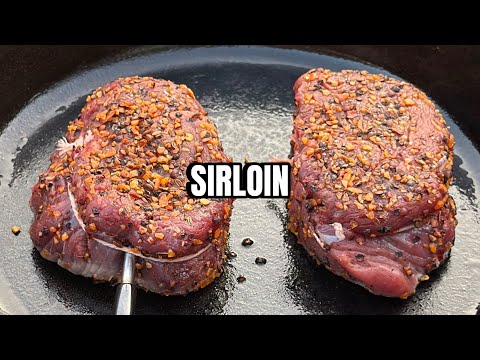
  1. 1Set up a charcoal grill for two-zone cooking and season the Denver steak generously with Buddy With The Steak Spice BBQ Seasoning.Pat the steak dry before seasoning. Grass-fed beef is leaner than grain-fed, so surface moisture costs you crust time you cannot spare.
  2. 2Add brandy barrel wood chunks over the cool side so they smoulder and add aromatic smoke.On the cool side, not on the coals — you want the wood smouldering and perfuming the air, not flaring under the meat.
  3. 3Sear the steak over direct heat to build a crust, then move it to the indirect side.A short hard sear for colour, then across. Denver is a chuck muscle and it firms up quickly under sustained direct heat.
  4. 4Cook until the internal temperature reaches 132°F for a medium-rare finish.132°F is well judged for this cut. Grass-fed cooks faster than grain-fed, so check earlier than you would expect.
  5. 5Rest for 5 minutes, then slice.Five minutes is enough on a steak this size; longer and it starts going cold.
  6. 6Top with a fresh chimichurri made from Jimmy Churri BBQ Seasoning and serve.Slice across the grain — Denver's grain is fairly straight and fine for a chuck cut, but it still matters.

Watch it on YouTube

What each ingredient is doing

Denver steak
Cut from the serratus ventralis in the chuck under blade — a muscle that used to be ground into mince until butchers started separating it. Well marbled and quite tender for chuck, at a fraction of a loin steak's price.
Steak spice rub
A savoury blend. Grass-fed beef has a more mineral flavour than grain-fed, and a straightforward steak seasoning complements it rather than covering it.
Brandy barrel wood
Oak from used spirit barrels, carrying residual sugars and aromatics. On the cool side it perfumes rather than smokes heavily, which is right for a 20-minute cook.

Temperature guide

StageTempWhat it means
Medium-rare130–135°F / 54–57°C132°F is right in the middle. Denver takes it well.
Too far140°F+ / 60°C+It is still a chuck muscle and firms up past medium.
Grass-fed notePull earlierLeaner than grain-fed, so it cooks faster and has less margin.
Rest5 minutesThen slice across the grain.

Pitmaster tips

  • Denver steak comes from the chuck under blade — the serratus ventralis. It is one of the more marbled muscles in the chuck, which is why it eats far better than its price suggests.
  • Grass-fed beef cooks faster than grain-fed. It is leaner and its fat has a different melting point, so pull it a few degrees earlier than you would an equivalent grain-fed steak or it will be past where you wanted it.
  • 132°F is a well-judged target for this cut. Denver has enough marbling to take medium-rare properly, but it is still a chuck muscle and it firms up quickly past 135°F.
  • Put the wood chunks on the cool side, not on the coals under the steak. You want them smouldering and perfuming the air, not flaring under the meat.
  • A short smoke on a steak is about aroma, not a smoke ring. Ten or fifteen minutes over indirect heat with a smouldering chunk is plenty — more and the smoke turns bitter on a small piece of beef.
  • Denver has a fairly straight, fine grain compared to other chuck cuts. Find it before slicing and cut across it; it is tender enough to forgive a lot, but not that.
  • Put the wood on the cool side, not under the steak. You want it smouldering and perfuming the air rather than flaring.
  • Grass-fed cooks faster than grain-fed. Check earlier than you would with a supermarket steak of the same thickness.
  • Denver is a chuck muscle — hot and fast suits it, and sustained moderate heat just tightens it.
  • Make the chimichurri at least 20 minutes ahead so the garlic and dried herbs infuse the oil.

If it goes wrong

It overcooked faster than expected
Grass-fed beef is leaner and cooks quicker than grain-fed. Pull a few degrees earlier than you would with a supermarket steak of the same thickness.
The smoke tasted harsh
The wood chunk went on the coals rather than the cool side, or the fire had not settled. You want it smouldering and giving thin smoke.
No crust
Wet surface or not enough direct heat. Dry it hard and give the coals time to ash over properly.
It was chewy
Overcooked, or sliced with the grain. Denver is tender for chuck but not forgiving of both mistakes at once.
The chimichurri tasted raw
Made too late. Give it 20 minutes minimum for the garlic and dried herbs to soften into the oil.

Ways to change it up

No smoke
Skip the wood entirely and cook it as a straight two-zone charcoal steak. The cut carries itself.
Different barrel wood
Whisky, bourbon or wine barrel chunks each bring their own character — bourbon sweeter, wine fruitier.
Compound butter
A slice of herb butter over the rested steak instead of chimichurri. Adds fat a grass-fed cut is short of.
Reverse sear
Indirect to 115°F then a hard sear. More control on a thicker Denver.
Sliced for tacos
Its fine grain and beefiness suit being sliced thin into tortillas with the chimichurri.

What to serve it with

  • Chimichurri, generously.
  • Grilled bread or potatoes.
  • A sharp salad for acidity against a rich cut.
  • Flaky salt at the table.
  • A malbec or a cold beer.

Storage & reheating

Cooked Denver steak keeps 3–4 days refrigerated. Store it whole rather than sliced. It has enough marbling to reheat reasonably well — low and gentle, around 250°F until just warm — but it is very good cold, sliced thin over a salad with the leftover chimichurri.

Raw, grass-fed beef freezes well for 6–12 months wrapped airtight. Because grass-fed fat is more prone to oxidizing than grain-fed, vacuum-sealing is worth the trouble if you are freezing it for more than a couple of months. Thaw overnight in the fridge.

FAQ

What is a Denver steak?

It is cut from the serratus ventralis in the chuck under blade — a muscle that was historically ground into chuck mince until butchers started separating it out. It is well marbled, quite tender for a chuck cut, and considerably cheaper than a loin steak with a similar amount of beef flavour.

Does grass-fed beef cook differently from grain-fed?

Yes. Grass-fed is leaner and its fat melts at a slightly different temperature, so it cooks faster and has less margin. Pull it a few degrees earlier than you would a grain-fed steak of the same thickness. The flavour is also more mineral and less sweet, which suits a simple seasoning and an acidic sauce.

How much wood should I use for a steak?

One chunk, on the cool side of the fire. A steak is small and spends very little time over heat, so it takes smoke quickly — a full firebox of wood on a 20-minute cook makes it acrid. You are after aroma rather than a smoke ring.

What temperature should Denver steak be cooked to?

About 130–135°F for medium-rare, and this recipe's 132°F is right in the middle of that. It has more marbling than most chuck cuts so it takes medium-rare well, but past 135°F it starts to firm up the way a working muscle does.

What is a Denver steak?

It is cut from the serratus ventralis in the chuck under blade — a muscle historically ground into chuck mince until butchers started separating it out. It is well marbled, quite tender for a chuck cut, and considerably cheaper than a loin steak with a similar amount of beef flavour.

How much wood should I use for a steak?

One chunk, on the cool side of the fire. A steak is small and spends very little time over heat, so it takes smoke quickly — a full firebox on a 20-minute cook makes it acrid. You are after aroma rather than a smoke ring.

Know your cook

More information, cause recipe back stories are stupid

No 500-word life story — just the good-to-know stuff on what’s actually in this cook. Here’s the rundown on every real ingredient, health and nutrition wise.

Beef
Beef is a complete protein and one of the best food sources of highly absorbable heme iron, zinc, and vitamin B12 — key for energy, immunity, and healthy blood. Fattier BBQ cuts are calorie-dense, so lean trimming and sensible portions keep it balanced.

General nutrition info only, not medical or dietary advice — portions, brands and add-ons change the numbers.

← All recipes  ·  All 46 beef recipes