Saucy Rossy BBQ
Chicken

Candied Habanero Injected Chicken Wings

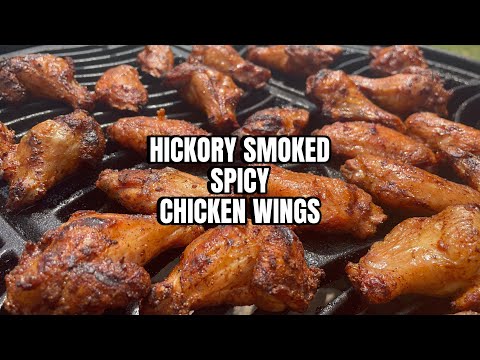
Charcoal-grilled chicken wings injected with candied habanero hot sauce and crusted in sweet chipotle rub for crispy, sweet-heat perfection.

Time~1 hr Prep20 min YieldServes 4 as an appetizer CategoryChicken Watch4:44
Candied Habanero Injected Chicken Wings — watch on YouTube

Watch the full cook on YouTube

Method

  1. 1Inject each wing with Candied Habanero Hot Sauce so the fiery sweetness runs through every bite.Wings are small, so use a fine needle and go easy — roughly a quarter teaspoon into the meaty part of each drum and flat is plenty. Inject slowly and withdraw as you push, which spreads the liquid instead of leaving a pocket. Strain the sauce first if it has any solids in it; they block the needle instantly. Do this in a bowl, because some of it will squirt back out.
  2. 2Season the wings all over with Sweet Chipotle Dry Rub for a smoky, slightly sweet crust.Pat the wings dry before seasoning — injecting makes the surface wet, and wet skin will not crisp. Season every surface. The rub is sugared, so plan for the wings to spend most of their time away from direct flame.
  3. 3Light a bed of Kingsford charcoal in the Napoleon grill and add a chunk of Furtado Farms hickory wood for smoke.Bank the coals to one side for two-zone cooking and put the hickory chunk at the edge of the bed. One chunk is enough — wings take smoke fast, and hickory is assertive. Wait for the smoke to run thin and blue rather than thick and white.
  4. 4Grill the wings over the coals, turning as needed, letting the rub caramelize over the fire.Start on the indirect side and rotate every 8–10 minutes so no wing sits over a fat flare. Move them over the coals only in the last few minutes to caramelize the sugar in the rub — any longer and it goes from caramelized to burnt.
  5. 5Cook until the skin is crispy and charred and the meat is juicy and cooked through, then serve.Target 180–185°F internal rather than 165°F — wings are mostly connective tissue and they need the extra range to become tender. Serve immediately; injected wings are at their best hot, when the sauce inside is still liquid.

Watch it on YouTube

What each ingredient is doing

Chicken wings
Separated drums and flats are easier to inject than whole wings, because you can see and feel the meaty part clearly. Fresh rather than frozen — thawed wings are already carrying extra water, and you are about to add more.
Candied Habanero Hot Sauce
Sweet and hot, and thin enough to pass through an injector needle, which is the key requirement. Strain out any solids first or the needle blocks. Anything with pulp, seeds or thick purée needs thinning and straining before it will inject.
Sweet Chipotle Dry Rub
Smoky and sugared. The sugar caramelizes beautifully over the coals but scorches if it sits there, which is why the direct-heat phase is only a few minutes at the end. Chipotle reinforces the hickory smoke rather than competing with it.
Hickory wood chunk
Strong and assertive. Excellent on chicken in small amounts, harsh in large ones — wings have a lot of surface area for their size and absorb smoke quickly. One chunk over 45 minutes is the right dose; apple or cherry are gentler.
Meat injector
A syringe with a needle designed for marinades. For wings, the finest needle you have is the right one — a wide-bore needle tears the small muscle and the sauce runs straight back out.

Temperature guide

StageTempWhat it means
Food-safe minimum165°F / 74°CSafe but rubbery — the connective tissue has not rendered.
Where wings improve175°F / 79°CCollagen begins converting and the texture softens.
The target180–185°F / 82–85°CRendered skin, tender meat, clean bite off the bone.
Too far195°F+ / 90°C+The meat dries out and starts falling off the bone.

Pitmaster tips

  • Use the finest injector needle you have. Wings are small muscles, and a wide-bore needle tears them so the sauce runs straight back out.
  • Strain the sauce before it goes into the injector. Any solids — seeds, pulp, spice grounds — will block the needle on the first wing.
  • Inject slowly while withdrawing the needle. That spreads the liquid through the muscle instead of leaving a single pocket that bursts on the first bite.
  • Pat the wings dry after injecting. The process leaves the surface wet, and wet skin steams rather than crisping.
  • A quarter teaspoon per piece is plenty. Overfilled wings leak throughout the cook and the sauce ends up in the fire rather than in the meat.
  • Keep the sugared rub away from direct flame until the last few minutes. Sugar caramelizes and then burns very quickly.
  • One chunk of hickory. Wings take on smoke fast and hickory is strong — more than that and you get acrid rather than smoky.
  • 180–185°F is the target, not 165°F. Wings are mostly skin and connective tissue and they need the higher range to become tender.
  • Inject over a bowl. Some of it squirts back out no matter how carefully you work, and it saves both your kitchen and the sauce.
  • Serve them straight away. Injected wings are best hot, while the sauce inside is still liquid rather than set.

If it goes wrong

The injector needle keeps blocking
The sauce has solids in it. Strain it through a fine sieve first, and thin it with a splash of vinegar or water if it is still too thick to pass. This is the single most common frustration with injecting.
The sauce leaked straight back out
Too much per wing, too fast, or too wide a needle. Use a finer needle, inject slowly while withdrawing, and stop at about a quarter teaspoon per piece.
The rub burnt black
A sugared rub over direct coals for too long. Cook indirect and save the direct heat for the final two or three minutes.
The skin is soft
Injecting wets the surface. Pat the wings thoroughly dry after injecting and before seasoning, and give them space on the grate so they are not steaming each other.
The heat is uneven — some wings are much hotter than others
That is the nature of injecting by hand. Work methodically, same volume per piece, and inject the drums and flats separately since they take different amounts.
It is smoky but bitter
Too much hickory or a fire that had not settled. One chunk is enough, and it should be giving thin blue smoke before the wings go on.

Ways to change it up

Skip the injector
Marinate the wings in the thinned sauce for a few hours instead. Less penetration and less dramatic, but far less fuss, and honestly close in flavour once the rub and smoke are on.
Butter injection
Cut the hot sauce with melted butter before injecting. The fat carries flavour, stays liquid at serving temperature, and takes the raw edge off the habanero.
Toss instead of inject
Cook the wings plain with the rub, then toss them in warmed candied habanero sauce off the fire. Simpler, and the sauce stays on the outside where you taste it first.
Milder heat
Cut the habanero sauce half and half with honey or a mild BBQ sauce before injecting. You keep the sweet-heat character at a level more people at the table will actually eat.
Oven or air fryer
425°F on a rack over a sheet pan for 40–45 minutes, turning once. You lose the smoke — add a quarter teaspoon of smoked paprika to the rub to compensate.

What to serve it with

  • A cooling dip — blue cheese, ranch or plain sour cream. With habanero involved this is not optional for most people.
  • Cold celery and cucumber for relief between wings.
  • Something starchy alongside: cornbread, fries or rice. Starch blunts capsaicin better than water does.
  • Cold lager, cider or milk. Water genuinely does not help with habanero heat — fat and carbonation do.
  • Extra sauce on the side for anyone who wants more, so you can inject at a level everyone can handle.

Storage & reheating

Cooked wings keep 3–4 days refrigerated. Cool them fully before sealing so trapped steam does not soften the skin. Reheat in a 375–400°F oven or air fryer for 8–10 minutes to bring the skin back; the microwave will not.

Injected wings behave slightly differently from sauced ones in the fridge — the sauce inside sets as it chills and the heat can read stronger the next day as the capsaicin distributes. That is normal, and reheating brings it back to where it was.

They freeze for about three months. Freeze in a single layer on a tray first, then bag them so they do not fuse into a block, and reheat from frozen at 400°F for 15–20 minutes. Do not inject wings and then freeze them raw — freezing damages the muscle structure and the sauce weeps out on thaw.

FAQ

Is it worth injecting chicken wings?

It puts flavour into the middle of the meat rather than only on the surface, which is genuinely different from saucing. But wings are small, so the effect is subtler than injecting a pork butt or turkey breast. If you enjoy the process it is worth it; if not, marinating gets you most of the way with far less fuss.

What kind of sauce can go through an injector?

Thin, strained liquids only. Anything with seeds, pulp or spice grounds will block the needle immediately. Strain the sauce through a fine sieve and thin it with vinegar, stock or melted butter if it still will not pass. This is the main practical constraint on injecting anything.

How much should I inject into each wing?

About a quarter teaspoon per piece. Wings are small muscles and overfilling makes them leak throughout the cook — the sauce ends up in the fire rather than the meat. Inject slowly while withdrawing the needle so it spreads rather than pooling.

What temperature should wings be cooked to?

180–185°F, not 165°F. Wings are mostly skin, cartilage and connective tissue, and that higher range is where collagen renders into gelatin. Pulled at the safety minimum they are safe but distinctly rubbery.

Why did my rub burn?

Sugar. A sweet rub caramelizes beautifully and then burns very quickly, so it cannot sit over direct coals. Cook the wings on the indirect side and move them over the fire only for the last two or three minutes.

How do I make it less hot?

Cut the habanero sauce with honey, a mild BBQ sauce or melted butter before injecting — half and half is a good starting point. Fat in particular tames capsaicin, which is why butter works so well as a dilutant here.

Know your cook

More information, cause recipe back stories are stupid

No 500-word life story — just the good-to-know stuff on what’s actually in this cook. Here’s the rundown on every real ingredient, health and nutrition wise.

Chicken
Chicken is a lean, versatile source of complete protein, B vitamins (especially niacin and B6), and selenium. Skinless breast is leanest; thighs and skin add flavour and a little more fat. Always cook poultry to a safe 165°F.
Chili peppers
Chili peppers are low in calories and high in vitamin C and antioxidants, and their heat comes from capsaicin, which may give metabolism a small nudge. Dial the amount to your spice tolerance.

General nutrition info only, not medical or dietary advice — portions, brands and add-ons change the numbers.

← All recipes  ·  All 33 chicken recipes