 Chicken
4:51
Chicken
4:51
Grilled Buffalo Chicken Wings + Blue Cheese Dip
Crispy charcoal-grilled buffalo wings tossed in a bold buffalo sauce, served with an easy homemade blue cheese dip.
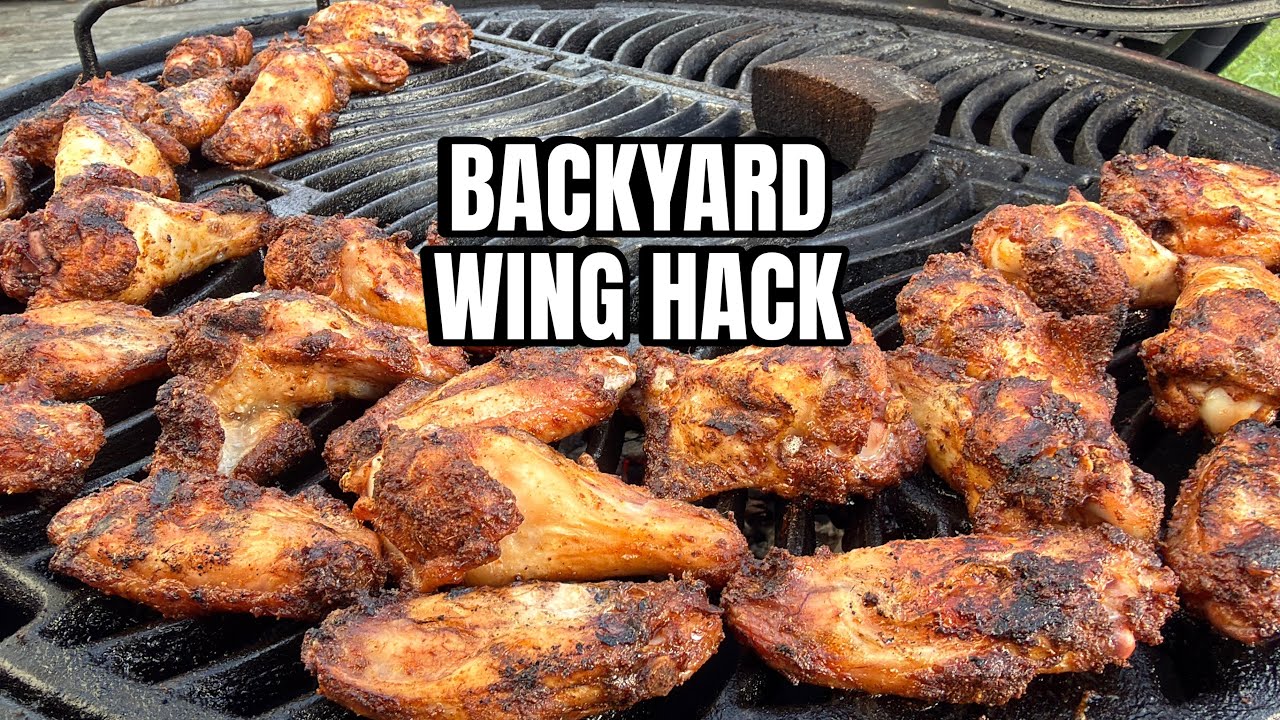
View recipe →Crispy, bite-through chicken wings grilled hot over lump charcoal with smouldering brandy-barrel smoke, then tossed in a sweet-with-a-little-heat BBQ sauce.
Watch the full cook on YouTube
| Stage | Temp | What it means |
|---|---|---|
| Food-safe minimum | 165°F / 74°C | Safe but rubbery — nowhere near the goal for wings. |
| Standard target | 180–185°F / 82–85°C | Collagen rendered, tender meat, clean bite. |
| This recipe's target | 190°F / 88°C | Top of the range. At high heat the wings reach it quickly, so the meat stays juicy while the connective tissue fully converts. |
| Skin | Visual | Blistered, deeply browned and audibly crisp. That is what the 500°F is for. |
Sauced wings keep 3–4 days refrigerated but will not stay crisp — which is a particular shame with this recipe, since crisp skin is the entire point. Cool them fully before sealing so trapped steam does not soften them further, then reheat at 400°F in an oven or air fryer for 8–10 minutes.
If you expect leftovers, hold some back unsauced. Unsauced wings re-crisp dramatically better because there is no wet layer sitting on the skin, and you can toss them fresh when you reheat.
Cooked wings freeze for about three months. Freeze them in a single layer on a tray first so they do not fuse together, then bag them. Reheat from frozen at 400°F for 15–20 minutes — thawing first only adds moisture, which is the last thing this recipe wants.
Because the goal is bite-through crisp skin. High heat renders the fat under the skin quickly and drives the surface to crisp; low and slow dries the skin out slowly instead, which gives a chewier, leathery result. It also means the wings reach 190°F fast, before the meat has time to dry.
Not in this context. Wings are mostly connective tissue and 190°F is where it has completely converted to gelatin. The reason it works here is speed — at 500°F they get there quickly. Holding wings at 190°F over a long low cook would indeed dry them out.
So it smoulders rather than ignites. A chunk buried in hot coals catches fire and burns off in a few minutes; sitting on the grate above the cool zone it smokes slowly for the whole cook, giving aromatic smoke rather than a short heavy burst.
Oak staves from barrels that previously held brandy, cut into cooking chunks. They carry residual sugars and aromatics from the spirit, which gives a distinctive sweetness on top of the oak. Whisky, bourbon and wine barrel woods work the same way with their own character.
Tossing gives you evenly coated wings; on the side keeps them at maximum crispness. Given this recipe is built entirely around crisp skin, sauce on the side is a defensible choice — and it lets people control their own heat.
It is harder. Briquettes burn cooler than lump and getting a kettle reliably above 500°F with them takes a lot of fuel and wide-open vents. Lump is the practical choice for this particular technique.
No 500-word life story — just the good-to-know stuff on what’s actually in this cook. Here’s the rundown on every real ingredient, health and nutrition wise.
General nutrition info only, not medical or dietary advice — portions, brands and add-ons change the numbers.
Chicken
4:51
Crispy charcoal-grilled buffalo wings tossed in a bold buffalo sauce, served with an easy homemade blue cheese dip.
View recipe → Chicken
5:43
Chicken
5:43
Chicken wings in Maple Bacon Chili seasoning, put on a cold Traeger Woodridge Pro with Applewood pellets, run up to 425°F and glazed twice with Sweet Baby Ray's.
View recipe → Chicken
4:54
Chicken
4:54
Game-day charcoal chicken wings with a light cherry-wood smoke and a caramelized Stingin' Hot Honey glaze.
View recipe → Chicken
4:44
Chicken
4:44
Charcoal-grilled chicken wings injected with candied habanero hot sauce and crusted in sweet chipotle rub for crispy, sweet-heat perfection.
View recipe →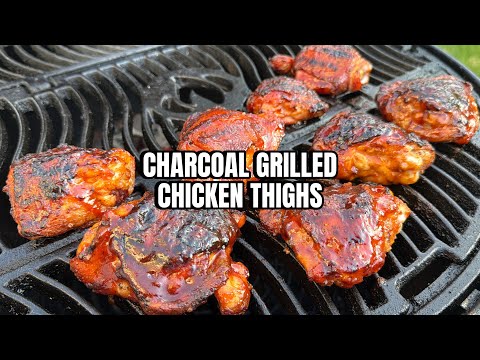 Chicken
6:49
Chicken
6:49
Crispy-skinned BBQ chicken thighs over lump charcoal using a simple two-zone method, seasoned with a sweet dry rub and glazed with homemade BBQ sauce.
View recipe → Chicken
4:11
Chicken
4:11
A beginner-proof charcoal method: all the coals in the middle of the kettle, drumsticks ringed around the outside edge with the bone end pointing inward, so they roast gently instead of scorching.
View recipe →