Saucy Rossy BBQ
Snacks & Sides

Cold Smoked Cheddar

Cold smoke cheddar on a gas grill with just a smoke tube — no dedicated smoker needed. Perfect for homemade gifts.
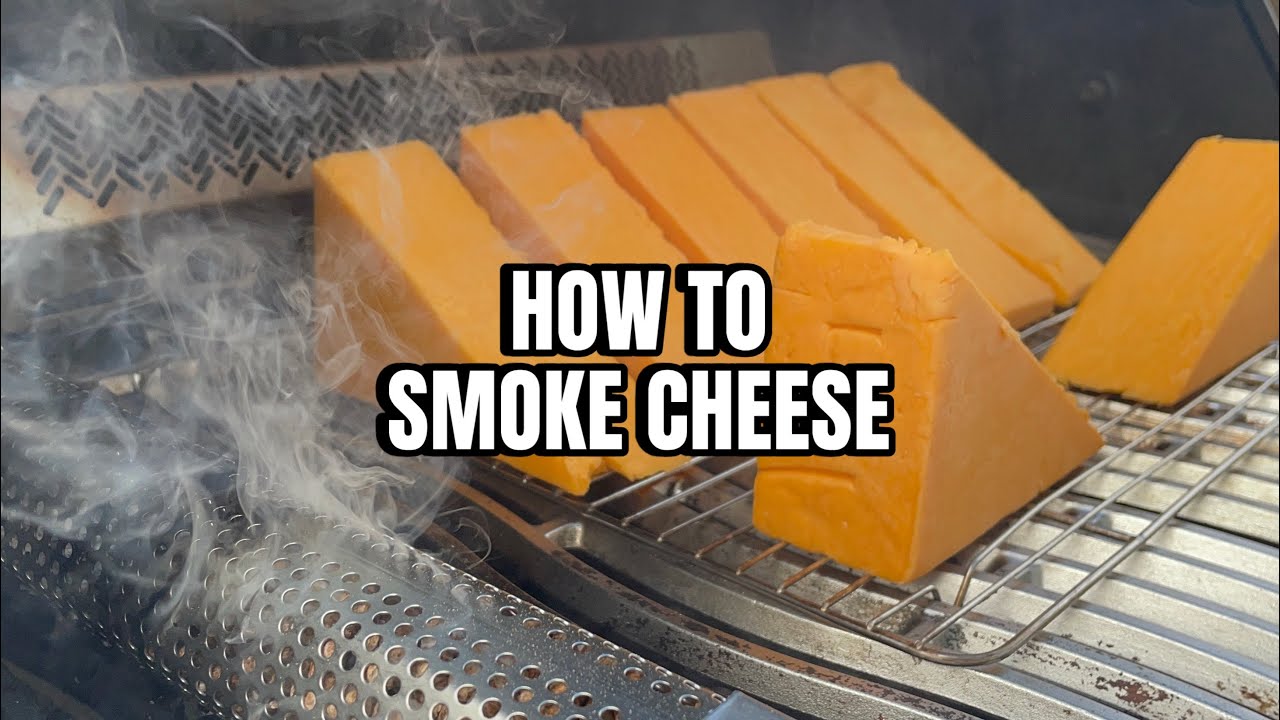
Time2 hr smoke Prep15 min YieldAbout 1 lb of smoked cheddar CategorySnacks & Sides Watch5:10
Cold Smoked Cheddar — watch on YouTube

Watch the full cook on YouTube

Method

  1. 1Slice the cheddar into wedges.Smaller wedges expose more surface to the smoke and take it more evenly than one large block. Take the cheese out of the fridge only just before it goes on — cold cheese sweats in warm air, and a wet surface repels smoke.
  2. 2Fill a smoke tube with hickory and maple pellets and cold smoke the cheese on the gas grill with no direct heat for 2 hours.Light the tube properly: torch one end until it flames, let it burn for a minute, then blow it out so it smoulders. Gas off entirely — the tube supplies all the smoke you need, and if the grate climbs past about 90°F the cheese starts to sweat and slump.
  3. 3Rest uncovered on a wire rack in the fridge for 8 hours to let the harsh smoke mellow.Uncovered is the point. The surface smoke is harsh straight off the grill, and this stage lets the volatile compounds dissipate rather than being sealed in. The cheese also dries slightly, which improves the texture.
  4. 4Wrap in parchment, vacuum seal, and age before serving.Parchment against the cheese, then vacuum seal. Aging is not optional — one to two weeks in the fridge is the difference between an ashtray and something you would give as a gift.

Watch it on YouTube

What each ingredient is doing

Medium cheddar
Firm cheeses take cold smoke best because they hold their shape and have a dense surface for the smoke to sit on. Medium rather than extra-sharp gives the smoke room to be tasted; a very aged cheddar already has so much going on that the smoke gets lost.
Hickory and maple pellets
Hickory brings the assertive smoky note, maple softens it. Because cold smoke concentrates as the cheese ages, go lighter than you would on meat — a blend is more forgiving than straight hickory.
Smoke tube
A perforated stainless tube filled with pellets that smoulders for hours while producing almost no heat. It is what makes cold smoking possible on an ordinary grill with no dedicated equipment.
Wire rack
For the resting stage. Air needs to circulate all the way around the cheese so the surface dries evenly — sitting on a plate leaves one face damp.

Temperature guide

StageTempWhat it means
Grate temperatureUnder 90°F / 32°CThe defining limit of cold smoking. Above this the cheese sweats and slumps.
Smoke time2 hoursEnough for colour and flavour. Longer and the ageing stage cannot mellow it out.
Uncovered rest8 hoursIn the fridge, on a rack. Lets the harshest surface smoke dissipate.
Age1–2 weeksVacuum sealed. The single biggest factor in whether it tastes good.

Pitmaster tips

  • Cold smoke on a cool day — ideally under about 60°F ambient — so the cheese stays firm. On hot days, set a pan of ice under the rack to keep temperatures down.
  • Cut the cheese into smaller blocks or wedges to expose more surface area to the smoke and let it penetrate more evenly.
  • Keep the grill's heat off entirely — the smoke tube supplies all the smoke you need. If the grate climbs past about 90°F, the cheese will start to sweat and slump.
  • Light the smoke tube properly: torch one end until it flames, let it burn a minute, then blow it out so it smoulders. That's what gives you clean smoke for hours.
  • Rest it uncovered in the fridge overnight first to let the surface smoke mellow, then wrap — going straight to vacuum-seal traps the harsh early smoke.
  • Be patient with the aging. One to two weeks vacuum-sealed in the fridge is the difference between 'ashtray' and 'amazing.'
  • Take the cheese out of the fridge only just before it goes on. Cold cheese sweats in warm air, and a wet surface repels smoke.
  • Turn the wedges halfway through so both faces take smoke evenly.
  • Use fresh, dry pellets. Damp pellets are the most common reason a smoke tube keeps going out.
  • Label it with the wood and the date when you seal it. Two weeks later you will not remember, and the difference between apple and hickory matters.

If it goes wrong

The cheese sweated and slumped
The grate went above about 90°F. Cold smoke on a cool day, keep the gas off entirely, and set a tray of ice under the rack if the ambient temperature is high.
It tastes bitter and ashy
Almost always not aged long enough. Give it a full two weeks vacuum sealed. If it is still harsh after that, you used too much smoke or too strong a wood.
The smoke tube keeps going out
Damp pellets, or it was not lit long enough. Torch one end until it genuinely flames, let it burn a full minute, then blow it out. Fresh dry pellets matter.
The smoke only reached one side
The cheese was sitting flat on a solid surface. Use a wire rack so smoke circulates underneath, and turn the wedges halfway through.
The surface is greasy
Too warm. Cheese fat starts weeping well below its melting point — this is the first sign the grate is running hotter than it should.

Ways to change it up

Other firm cheeses
Gouda, Monterey Jack, provolone and mozzarella all cold smoke well. Avoid very soft cheeses, which slump, and very crumbly ones, which fall apart.
Milder wood
Apple, cherry or pecan alone give a gentler smoke that needs less ageing to become pleasant. A good choice for a first attempt.
Cold smoke other things
The same setup works on butter, salt, nuts, eggs and garlic. Anything you want smoke flavour on without cooking.
Longer smoke
Three to four hours gives a much more assertive result, but it needs a correspondingly longer age — a month rather than a fortnight.
Gift packaging
Vacuum sealed and labelled with the wood and the date, smoked cheddar is one of the better homemade gifts. It travels well and improves in transit.

What to serve it with

  • On a cheeseboard with crackers, chutney and cured meat.
  • Grated over anything that wants smoke — mac and cheese, burgers, baked potatoes.
  • Melted into a grilled cheese, where the smoke really comes forward.
  • Cubed with pickles and hot sauce as a snack alongside a cook.
  • A dark beer, a whisky or a bold red — all stand up to smoked cheese.

Storage & reheating

Once smoked and rested, wrap the cheddar in parchment, then vacuum-seal (or wrap tightly in plastic) and refrigerate. It keeps for weeks and, like any cheddar, only gets better as it ages.

For longer storage you can freeze it, though the texture may crumble slightly on thaw. Vacuum-sealed smoked cheddar makes a fantastic, giftable homemade present that travels well.

FAQ

What is cold smoking?

Cold smoking adds smoke flavour without cooking the food — kept below about 90°F — so it works for things you don't want to melt or cook, like cheese, butter, salt and nuts. It relies on a smoke source (here, a smoke tube) that produces smoke but little heat.

Do I need a special smoker for cold-smoked cheese?

No — that's the beauty of the smoke tube. Any grill (even turned off), kettle or enclosed box works as the smoke chamber; the tube does all the work.

Why does my smoked cheese taste bitter or harsh?

Because it hasn't rested. Cheese straight off the smoke is sharp and ashy; it needs at least a week — ideally two — vacuum-sealed in the fridge to mellow and balance out.

What cheese and wood are best for cold smoking?

Firm cheeses like cheddar, gouda and Monterey Jack take smoke well. Mild woods — apple, maple, a little hickory — are classic; go easy, since the flavour concentrates as it ages.

How long does smoked cheese keep?

Vacuum sealed in the fridge it keeps for weeks and, like any cheddar, improves as it ages. The two-week minimum age is about flavour rather than safety — the cheese is edible immediately, it just tastes harsh.

Can I cold smoke on any grill?

Yes — that is the appeal of a smoke tube. Any enclosed box works as the smoke chamber: a gas grill turned off, a kettle, even a cardboard box in a pinch. The tube produces the smoke and almost no heat, so the grill is only providing somewhere for the smoke to sit.

Know your cook

More information, cause recipe back stories are stupid

No 500-word life story — just the good-to-know stuff on what’s actually in this cook. Here’s the rundown on every real ingredient, health and nutrition wise.

Cheese
Cheese is a good source of protein and calcium and pairs naturally with smoke, but it's also high in saturated fat and sodium — a little delivers big flavour, so treat it as a rich accent.

General nutrition info only, not medical or dietary advice — portions, brands and add-ons change the numbers.

← All recipes  ·  All 21 snacks & sides recipes