
Saucy Rossy BBQ
Chicken

Charcoal Grilled Chicken Wings with Vicious Veteran Hot Sauce

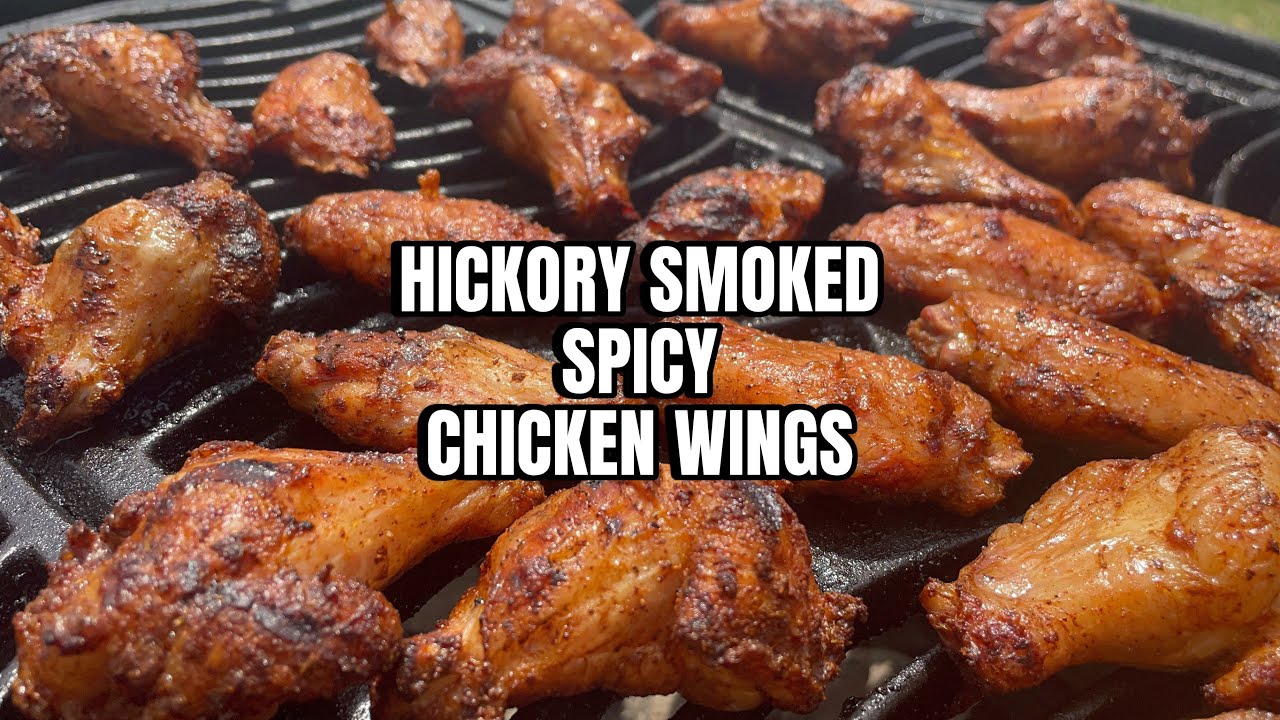
Crispy, juicy chicken wings grilled over Kingsford charcoal with hickory smoke, seasoned with Sassy Chicken rub and finished in Vicious Veteran hot sauce.
TimeHot & fast Prep10 min YieldServes 4 as an appetizer CategoryChicken Watch5:28
Charcoal Grilled Chicken Wings with Vicious Veteran Hot Sauce — watch on YouTube

Watch the full cook on YouTube

Method

  1. 1Light the Kingsford briquettes in the Napoleon kettle grill and add a chunk of Furtado Farms hickory for smoke.Bank the coals to one side for a two-zone setup and put the hickory chunk at the edge of the bed rather than the centre — you want it smouldering steadily, not flaming. Hickory is stronger than fruit wood, so one modest chunk is genuinely enough for wings. Wait until the smoke runs thin and blue before the food goes on.
  2. 2Season the wings with Royal Nova Company's Sassy Chicken Dry Rub — sweet, savoury, and packed with flavour.Pat the wings bone dry first; wet skin steams rather than crisps. Season every surface. Because this rub has sugar in it, keep the wings off the direct coals for most of the cook or the sugar will scorch before the chicken is done.
  3. 3Grill the wings until crispy, juicy, and beautifully charred, turning as needed.Start on the indirect side and rotate every 8–10 minutes so no wing sits over a fat flare. Expect 30–35 minutes to reach 180°F. Finish with 2–3 minutes over the direct coals if you want more char, watching constantly at that point.
  4. 4Finish the wings with Spicy Boys Vicious Veteran Hot Sauce for a fiery, tangy kick.Toss them in a bowl the moment they come off, while the skin is hot and dry — sauce hitting cooled wings slides off and pools. A vinegar-based hot sauce is thin, so it coats rather than lacquers; if you want it to cling more, melt a knob of butter into it first.
  5. 5Serve hot.Sauced wings soften as they sit, so get them straight to the table. If you are cooking for a crowd, hold the wings unsauced in a low oven and toss batches to order.

Watch it on YouTube

What each ingredient is doing

Chicken wings
Whole or separated into drums and flats both work. Separated pieces give more surface for rub and sauce and cook slightly faster; whole wings stay a touch juicier. Fresh beats frozen — thawed wings carry extra water that fights crisp skin.
Sassy Chicken Dry Rub
A sweet-savoury chicken rub. The salt seasons and dries the skin; the sugar browns but will scorch over direct coals, which is why the cook runs mostly indirect. Any chicken rub substitutes cleanly.
Vicious Veteran Hot Sauce
A vinegar-forward hot sauce used as a finishing toss rather than a glaze. Thin sauces coat evenly but do not cling — a knob of melted butter whisked in thickens it and rounds off the vinegar, which is the traditional buffalo trick.
Hickory wood chunk
A strong, assertive smoke wood. Excellent on chicken in small amounts and harsh in large ones, because wings take on smoke very quickly for their size. One chunk over a 40-minute cook is the right dose; apple or cherry are gentler alternatives.

Temperature guide

StageTempWhat it means
Food-safe minimum165°F / 74°CSafe, but the connective tissue has not rendered and the skin is still soft.
Where wings improve175°F / 79°CCollagen begins converting to gelatin; the texture shifts from firm to tender.
The target180–185°F / 82–85°CRendered skin, tender meat, clean bite off the bone.
Too far195°F+ / 90°C+The meat dries out and starts falling off the bone rather than biting off it.

Pitmaster tips

  • Dry the wings hard before seasoning. Wing skin crisps only once its surface moisture is gone, and this is the biggest single factor in the result.
  • Cook mostly over indirect heat and rotate every 8–10 minutes. Wings render a lot of fat, and a wing sitting over a flare will taste sooty within a minute.
  • One chunk of hickory is plenty. Wings are small and take smoke fast — a heavy load of a strong wood makes them acrid.
  • 180–185°F, not 165°F. Wings are mostly skin and connective tissue, and that extra range is where they go from rubbery to tender.
  • Toss in sauce the moment they come off the grill, while the skin is still hot and dry. Sauce on cooled wings slides straight off.
  • Melt a little butter into a thin vinegar hot sauce if you want it to cling. That is exactly what buffalo sauce is, and it takes the raw edge off the vinegar.
  • Give them space on the grate. Crowded wings steam each other and never crisp properly — two rounds beats one packed grate.
  • Save any wing tips for stock rather than grilling them. They are mostly skin and bone and will burn long before the drums are done.
  • Keep the lid on between rotations to hold temperature and smother any flare-ups before they take hold.
  • If the rub is sweet, keep the direct-heat char to the last two or three minutes. Sugar burns well below the temperature chicken needs.

If it goes wrong

The skin is soft, not crispy
Surface moisture, crowding, or too low a grate temperature. Dry the wings properly, spread them out, and run around 350–375°F. Already cooked? Eight minutes in a 400°F oven or air fryer will crisp them.
They taste harsh and over-smoked
Too much hickory, or wood smouldering dirty. One chunk is the dose for wings, and the smoke should be thin and blue rather than thick and white. Let the fire settle before the food goes on.
The rub burnt black in patches
A sugared rub over direct coals. Move the cook to the indirect side and save the direct heat for the last two or three minutes if you want char.
The sauce won't stick
Either the wings had cooled or the sauce is very thin. Toss them straight off the grill while hot, and whisk a knob of melted butter into a vinegar-based sauce to give it body.
Constant flare-ups
That is rendering fat hitting live coals. Cook indirect, keep the lid closed, and move wings away from a flame rather than spraying water — water throws ash onto the food.

Ways to change it up

Buffalo
Cut the hot sauce half and half with melted butter before tossing. Classic, and the butter makes it cling far better than the sauce alone.
Dry-rubbed
Skip the sauce and dust with a second light coat of rub as they come off. Crispier, less mess, and they hold much longer for a crowd.
Honey hot
Whisk warmed honey into the hot sauce for a sweet-heat finish that sets into a glaze. Add it in the last two minutes over the coals so it caramelizes.
Low and slow first
Run the grill at 250°F for the first 45 minutes for deeper smoke, then rake the coals together and finish hot for crisp skin. Roughly doubles the cook and is worth it if you have the time.
Oven or air fryer
425°F on a rack over a sheet pan, 40–45 minutes, turning once. No smoke — add a quarter teaspoon of smoked paprika to the rub to bridge the gap.

What to serve it with

  • Blue cheese or ranch — the fat in both dissolves capsaicin and cools the heat.
  • Celery and carrot sticks, cold and raw, for crunch and relief.
  • A vinegary slaw or cucumber salad alongside.
  • Cold lager or cider; carbonation clears the sauce between wings.
  • Plenty of napkins and a bowl for the bones — a vinegar-sauced wing is a messy one.

Storage & reheating

Sauced wings keep 3–4 days refrigerated but never come back as crisp. Cool them fully before sealing so trapped steam does not soften the skin further. Reheat in a 375–400°F oven or air fryer for 8–10 minutes to recover as much crunch as possible; the microwave is the one method that undoes everything.

If you expect leftovers, hold some wings back unsauced. Unsauced wings re-crisp far better because there is no wet layer sitting on the skin, and you can toss them fresh when you reheat.

Cooked wings freeze for about three months. Freeze them in a single layer on a tray first, then bag them once solid so they do not fuse together. Reheat from frozen at 400°F for 15–20 minutes — thawing first only adds moisture, which is the opposite of helpful.

FAQ

What temperature should chicken wings be cooked to?

165°F is the safety minimum, but 180–185°F is where wings are actually good. They are mostly skin, cartilage and connective tissue, and that extra range is where collagen renders into gelatin. Pulled at 165°F they are safe but noticeably rubbery.

How much wood should I use for wings?

One chunk. Wings have a lot of surface area for their size and take on smoke very quickly, so a strong wood like hickory needs a light hand — a full load over 40 minutes makes them bitter. Apple, cherry or maple are more forgiving if you want more smoke.

Why won't my hot sauce stick to the wings?

Either the wings cooled before tossing, or the sauce is too thin. Toss them straight off the grill while the skin is hot and dry, and if the sauce is a thin vinegar type, whisk melted butter into it — that is what makes buffalo sauce cling.

Should I separate the wings into drums and flats?

Either works. Separated pieces have more surface area so they take more rub and sauce and crisp slightly better, and they cook a few minutes faster. Whole wings stay marginally juicier. If you separate them, keep the tips for stock — they will burn on the grill.

How do I stop flare-ups?

Cook over indirect heat, rotate regularly, give the wings space, and keep the lid closed. When a flare starts, move the wings and shut the lid to smother it. Never spray water at a fat fire on a grill — it kicks ash straight onto the food.

Can I cook these ahead for a party?

Cook them through and stop before saucing, then hold in the fridge for up to a day. Reheat hot on the grill or at 400°F until the skin re-crisps, then toss in sauce and serve. Fully sauced wings soften within about 20 minutes, so sauce to order.

Know your cook

More information, cause recipe back stories are stupid

No 500-word life story — just the good-to-know stuff on what’s actually in this cook. Here’s the rundown on every real ingredient, health and nutrition wise.

Chicken
Chicken is a lean, versatile source of complete protein, B vitamins (especially niacin and B6), and selenium. Skinless breast is leanest; thighs and skin add flavour and a little more fat. Always cook poultry to a safe 165°F.

General nutrition info only, not medical or dietary advice — portions, brands and add-ons change the numbers.

← All recipes  ·  All 33 chicken recipes