Why a smoker gets built rather than bought
A mass-produced offset and a custom-built one are not the same appliance with different badges. The things that decide whether a smoker is pleasant or miserable to cook on — steel thickness, firebox proportions, where the exhaust sits, how well the doors seal — are exactly the things a factory trims to hit a price point. A custom builder is being paid to get them right instead.
Steel thickness is the clearest example. A thin-walled cooker loses heat the moment the weather turns, so you spend the cook feeding it and chasing temperature swings. Heavy plate holds its heat, which means the fire does less work and the temperature moves slowly and predictably. That thermal mass is most of what people mean when they say a pit "cooks easy".
The same logic runs through the rest of the build. A firebox sized properly for the cook chamber burns clean at the airflow you actually want, rather than forcing you to choke it down and make dirty smoke. Doors that seal stop the leaks that pull your fire sideways. None of it is exotic engineering — it is just decisions made in favour of the cook rather than the shipping cost.
What the shop builds
The range runs from backyard to competition. The Signature Series offsets are the backyard end — built to the same standards but sized for a garden and a family rather than a vending queue.
At the other end are custom pits up to 1,000 gallons, the sort of cooker that gets towed to an event and feeds hundreds. At that scale the build stops being a grill and becomes a piece of catering equipment, with the fabrication demands that come with it.
In between sit the competition Ugly Drum Smokers. A UDS is a deceptively simple design — a vertical drum with charcoal at the bottom and food above — and it is prized on the competition circuit because it holds temperature for hours with almost no attention. The simplicity is the point: fewer variables to manage when you have four turn-in times to hit.
Why local matters here
Buying a pit from someone within driving distance changes the relationship. You can go and stand next to the thing before you commit, which for a purchase that will outlast several cars is not a small consideration. If something needs adjusting later, it is a conversation rather than a warranty claim posted to another country.
It also means the builder is cooking in the same weather you are. A pit built in Atlantic Canada has been thought about by someone who knows what a wet January does to a fire, which is a different set of assumptions from one designed for a milder climate.
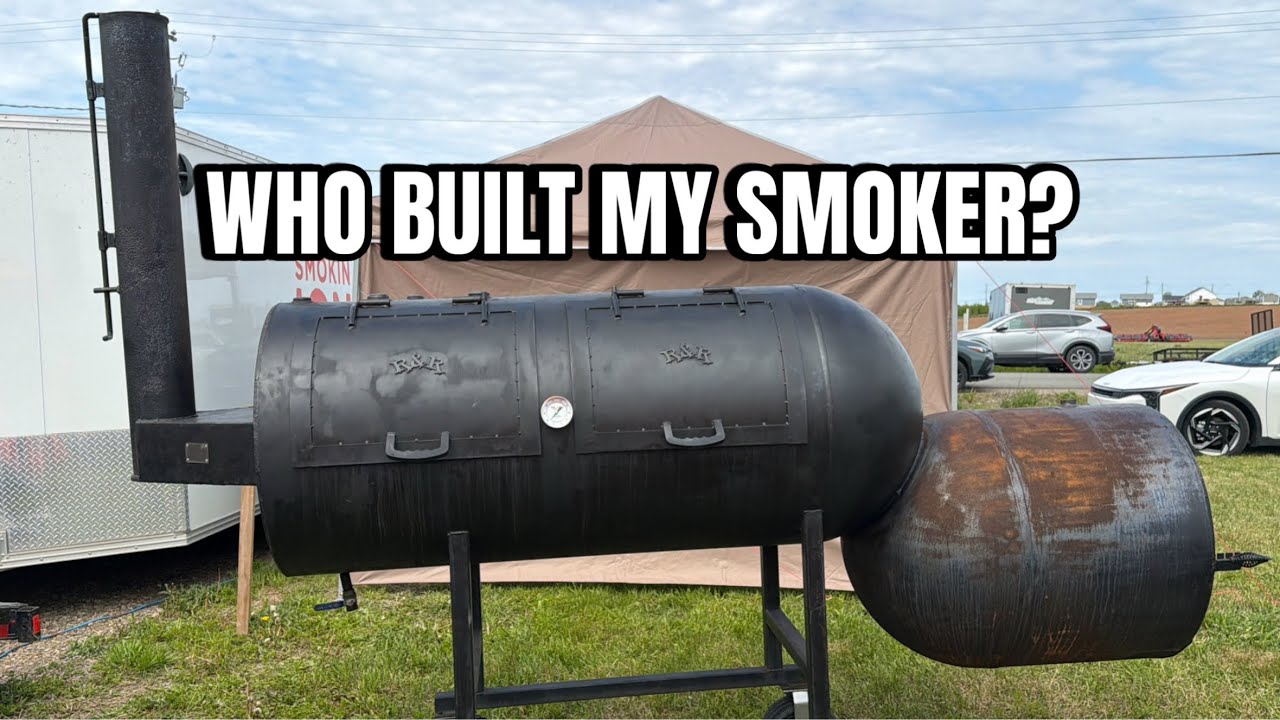
Most of the offset cooks on this site come off a 250-gallon R&R build. That is worth saying plainly: the recommendations here are not theoretical, they come from several years of running one of these in real weather.
What to ask before commissioning a smoker
How thick is the steel, and where. Builders quote a headline thickness but the cook chamber and the firebox are often different, and the firebox is what takes the abuse.
How is it sealed, and how will that hold up. Every offset leaks a little; the question is whether the doors are designed to keep doing their job after a few hundred heat cycles.
What is the actual cooking capacity in food, not gallons. Gallons describe the chamber; racks of ribs describe what you can cook. Ask for the number that matters to you.
And how heavy is it. A pit that will not fit through your gate, or that needs three people and a trailer to reposition, is a problem you only discover once.