Saucy Rossy BBQ
Pork

Low & Slow Pulled Pork with Gunpowder Rum BBQ Sauce

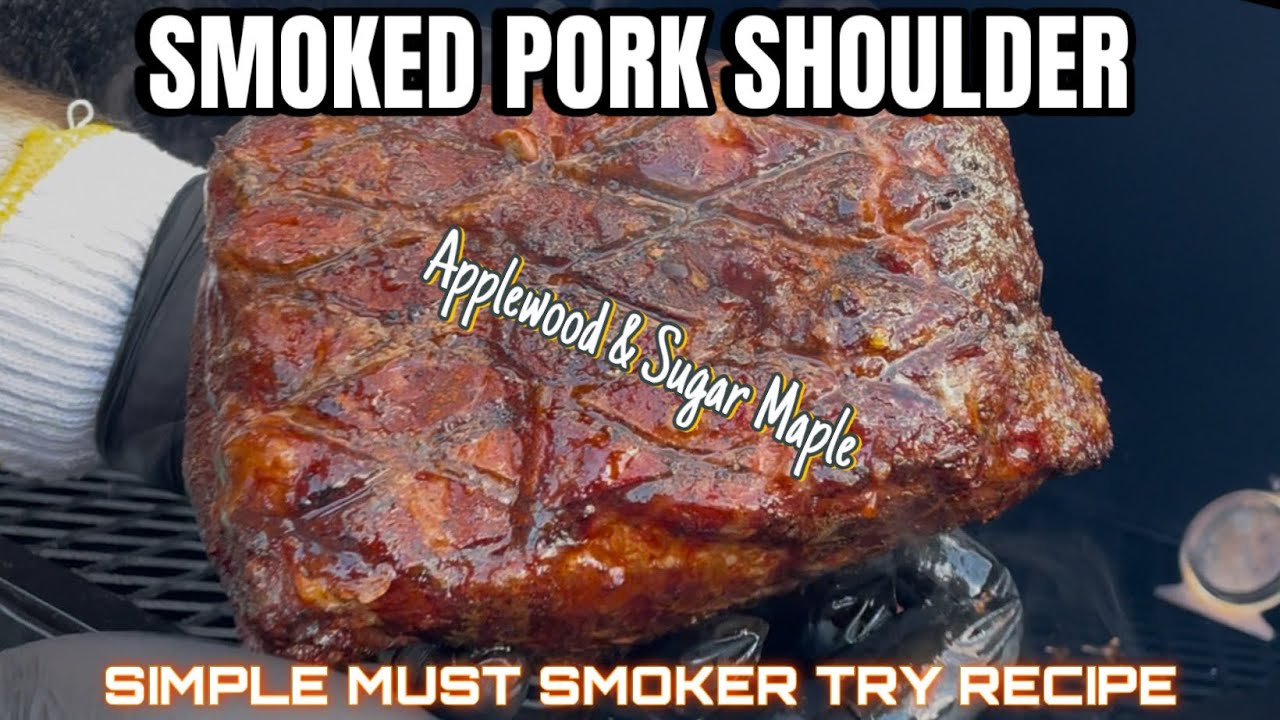
Pork shoulder smoked low and slow on a custom 200-gallon offset, wrapped with butter, and shredded with Newfie Bullet Gunpowder Rum BBQ sauce.
TimeLow & slow Prep20 min YieldServes 10–14 CategoryPork Watch5:06
Low & Slow Pulled Pork with Gunpowder Rum BBQ Sauce — watch on YouTube

Watch the full cook on YouTube

Method

  1. 1Season the pork shoulder generously on all sides with Ragin Bayman Spicy BBQ rub.Season every face generously — a pork shoulder is a big forgiving cut and it takes far more rub than looks sensible. Score the fat cap in a crosshatch if it is thick, so it renders rather than sitting there.
  2. 2Run the offset smoker low and slow and smoke the pork shoulder until a deep bark forms.Around 225–250°F over clean hardwood. Smoke adheres to a cool moist surface, so the unwrapped phase is where nearly all the flavour and colour go on. Wait for thin blue smoke before the pork goes near the chamber, and expect the stall somewhere around 160–170°F.
  3. 3Wrap the pork with butter and return it to the smoker until probe-tender.Butter in the wrap adds fat and keeps the surface from drying while the collagen finishes converting. Wrap tightly and probe for tenderness rather than chasing a number — the thermometer should slide in with no resistance anywhere.
  4. 4Rest the pork, then shred it into juicy pieces.Rest at least an hour, ideally in a preheated cooler wrapped in a towel. Shredding straight off the smoker dumps the juices you have spent ten hours protecting. The bone should slide out clean.
  5. 5Finish the pulled pork with Newfie Bullet Gunpowder Rum BBQ sauce and serve.Sauce after shredding and mix it through with the collected juices from the foil, so every strand is coated rather than the sauce sitting on top.

Watch it on YouTube

What each ingredient is doing

Pork shoulder
The most forgiving large cut in barbecue — heavily marbled and full of connective tissue, which tolerates a wide temperature range and a long cook without drying.
Spicy BBQ rub
Applied generously on every face. Salt is doing the real seasoning work over a ten-hour cook, and a spicy rub gives a backbone that a sweet finishing sauce sits on top of.
Butter (in the wrap)
Fat added at the wrap. It keeps the outside from drying while the collagen breaks down, and it enriches the juices that get mixed back through the shredded meat.
Rum BBQ sauce
Added after shredding rather than during the cook, so its sugar never sees the fire. Mixing it through with the pork's own juices coats every strand.

Temperature guide

StageTempWhat it means
The stall160–170°F / 71–77°CEvaporative cooling. Can last hours. Wrap to push through.
Probe tender198–205°F / 92–96°CNo resistance anywhere. The bone should slide out clean.
Rest1 hour minimumIn a preheated cooler. Shred after resting, never before.
SauceAfter shreddingMixed through with the collected juices.

Pitmaster tips

  • Buy bone-in if you can — the bone is a built-in doneness gauge (it pulls clean when the pork's ready) and it adds flavour.
  • Don't trim the fat cap too hard; shoulder benefits from the extra fat rendering down through a long cook.
  • Pull the pork around 200–205°F internal. Lower and it shreds stringy; in that window it falls apart in juicy chunks.
  • Save the juices from the wrap. Skim the fat and pour the rest back over the shredded pork — it's the best sauce there is.
  • Rest at least 30–45 minutes before pulling. Shredding it straight off the pit throws away moisture and burns your hands.
  • Sauce at the end, and lightly. You want to season the pork, not drown the smoke and bark you spent all day building.
  • Season far more heavily than feels right. A pork shoulder is a big piece of meat and ten hours is a long time for seasoning to hold up.
  • The bone sliding out clean is the oldest doneness test for a pork butt and it is genuinely reliable — if it fights you, it needs longer.
  • Rest a full hour in a preheated cooler. Opening the foil straight off the smoker dumps the juices you have been protecting all day.
  • Sauce after shredding, mixed through with the foil juices. Sauce added during the cook just burns, and sauce poured on top afterwards only coats the surface.

If it goes wrong

The pork will not shred
Undercooked. Collagen needs the high 190s to break down fully. Wrap it and put it back until the probe slides in with no resistance.
It is dry
Shredded without resting, or the juices were thrown away. Rest an hour and always mix the meat back through the liquid from the foil.
The temperature stalled for hours
Normal — evaporative cooling. Wrapping at 165–170°F pushes through it. Do not raise the fire to fight a stall in the unwrapped phase.
The bone did not slide out
Undercooked. That test is genuinely reliable — another 30–45 minutes wrapped usually does it.
It tastes acrid
A dirty fire. Ten hours of smouldering smoke will ruin a pork butt no matter how well it is cooked. Keep the fire burning clean.
There is barely any bark
Wrapped too early. Let the bark set properly dark and firm before anything goes round it.

Ways to change it up

Split the butt
Cut the shoulder in half before seasoning. Roughly doubles the bark and shortens the cook by hours — the single best change you can make.
Vinegar finishing sauce
A Carolina-style vinegar and pepper sauce instead of a sweet one. Much lighter, and the acid cuts the fat properly.
No wrap
Run the whole cook unwrapped for maximum bark. Longer stall, drier result, better crust.
Overnight
Pork shoulder is forgiving enough to make an overnight cook genuinely low-risk. Start before bed and wake to it most of the way through.
Pellet or kettle
Any smoker holding 225–250°F. A kettle with the snake method runs long enough for the first phase.

What to serve it with

  • Soft buns with coleslaw piled on top — the slaw is structural, not decorative.
  • Pickles or a vinegar sauce for acid against a very rich meat.
  • Tacos, nachos, loaded potatoes — this much pulled pork is a week of meals.
  • Baked beans and cornbread.
  • Cold lager or cider.

Storage & reheating

Pulled pork keeps beautifully. Refrigerate up to 4 days or freeze up to 3 months — ideally with some of the reserved juices to keep it moist.

Reheat gently in a covered pan with a splash of juice or apple cider over low heat, or in a 250°F oven. It's a meal-prep hero: pile it into sandwiches, tacos, nachos, loaded fries or rice bowls.

FAQ

How much pulled pork per person?

Raw shoulder loses roughly 40% of its weight to cook loss and bone, so figure about 1/3 lb cooked per person — that's around 1/2 lb raw. For big appetites or sandwiches, round up.

Do I have to wrap it?

No, but wrapping (here with butter) speeds up the stall and keeps the meat moist. Cook unwrapped the whole way for more bark, or wrap once the colour is where you want it.

Can I make it without an offset smoker?

Absolutely. Any smoker, pellet grill, or even a low oven finish works — hold 225–275°F and cook to probe-tender. You'll miss some of the offset's smoke depth, but the method is identical.

How do I know when it's done?

Forget the clock. It's ready when a probe or skewer slides into the thickest part with no resistance and the blade bone twists out clean — usually around 203°F internal.

What temperature is pulled pork done at?

198–205°F, or whenever it is probe tender. This is not about doneness — pork shoulder is safe far lower. The high temperature is about giving the collagen time and heat to convert to gelatin, which is what lets the meat pull apart at all.

Do I mix the juices back in?

Yes, and it matters more than most people realise. The liquid in the foil is rendered fat and meat juice, and shredded pork reabsorbs it as it cools slightly. Skim some fat if it looks excessive, but pouring it back over the meat is the difference between juicy and dry pulled pork.

Know your cook

More information, cause recipe back stories are stupid

No 500-word life story — just the good-to-know stuff on what’s actually in this cook. Here’s the rundown on every real ingredient, health and nutrition wise.

Pork
Pork is a protein-rich meat that's especially high in thiamine (vitamin B1) — more than most other meats — plus B6, niacin, and selenium. Tenderloin and loin are lean; shoulder and belly are richer, so portion the fattier cuts.
Spirits
Spirits add deep caramel and molasses notes to sauces, and most of the alcohol cooks off, leaving the flavour behind. Enjoy the finished dish — and the drink itself — in moderation.
Butter
Butter adds richness and helps carry sauce into the meat, but it's high in saturated fat and calories, so it works best as a finishing touch rather than by the cupful.

General nutrition info only, not medical or dietary advice — portions, brands and add-ons change the numbers.

← All recipes  ·  All 38 pork recipes