 Chicken
3:08
Chicken
3:08
Smoked Chicken Quesadillas with Jalapeño Queso
Leftover smoked chicken layered with cherry tomatoes, onion, and jalapeños in blue corn tortillas with creamy jalapeño queso, toasted until melty.
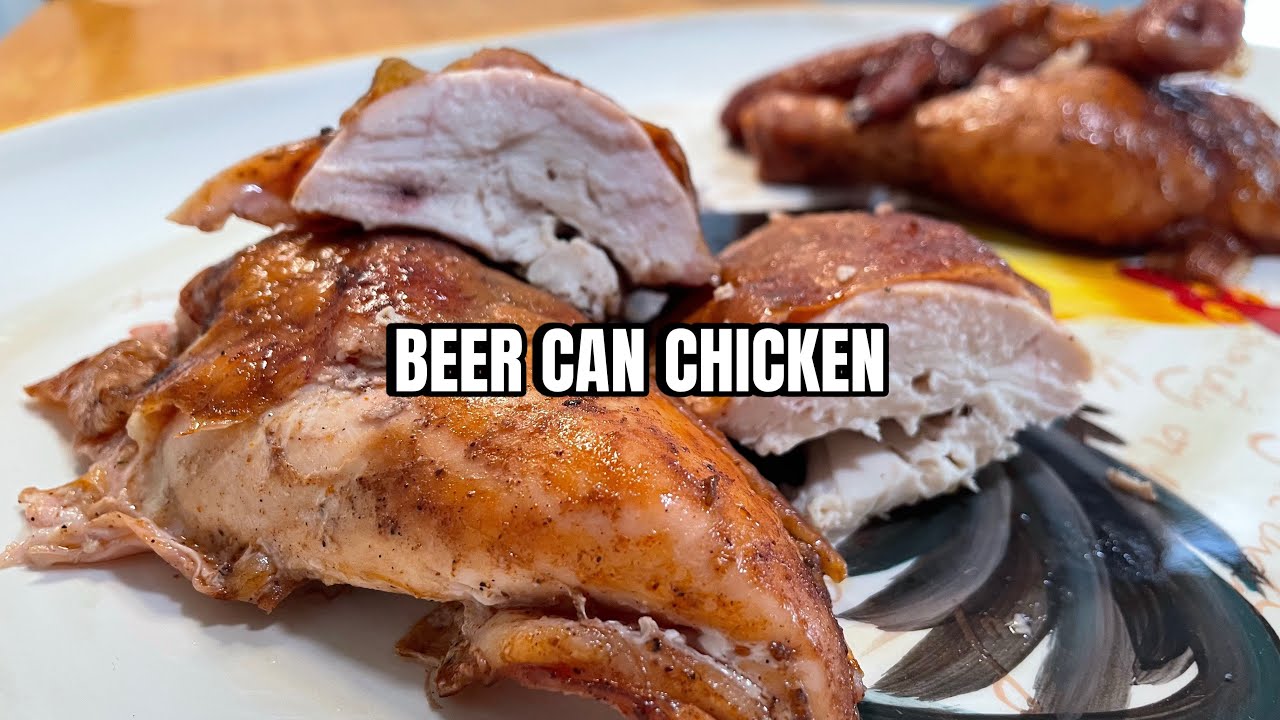
View recipe →A whole chicken roasted upright over a can of Coldstream Clear Nova Scotia Lager on a charcoal grill with cherrywood smoke for crispy skin and juicy meat.
Watch the full cook on YouTube
| Stage | Temp | What it means |
|---|---|---|
| Breast | 165°F / 74°C | White meat's ceiling. Past this it dries out fast — check the thickest part, avoiding the bone. |
| Thigh | 175–185°F / 79–85°C | Dark meat needs the higher range for its connective tissue to break down. Pulled at 165°F it is safe but chewy. |
| Skin | Visual | Deep golden brown and taut. Pale skin means the heat was too low — 400°F or above is what crisps it. |
| Rest | 10 minutes | Carryover adds a few degrees and the juices redistribute. Carving straight away puts them on the board. |
Carve the meat off the bone before storing rather than refrigerating the whole bird — it cools faster, which matters for food safety, and takes up far less space. It keeps 3–4 days in a sealed container. Keep the carcass: an hour or two simmered with an onion and a carrot makes far better stock than anything from a box, and a smoked carcass makes exceptional soup.
Skin will not stay crisp through storage no matter what you do, so plan leftovers around soups, sandwiches, quesadillas and salads rather than trying to serve reheated roast chicken. If you do reheat it, do it covered at 300°F with a splash of stock so it steams gently rather than drying out.
Cooked chicken freezes for about three months. Freeze it in portions with a little stock or pan juice to protect it from freezer burn, and thaw overnight in the fridge. Never refreeze chicken that has already been thawed once.
Not really, and it is worth knowing. The beer barely reaches a simmer inside the can, and steam does not carry much flavour into meat anyway. What the can genuinely does is hold the bird upright so heat circulates around the whole surface at once — the vertical roasting is the benefit, not the beer.
165°F in the thickest part of the breast and 175°F or more in the thigh. They are different targets on purpose — breast dries out immediately past 165°F, while dark meat has connective tissue that only breaks down higher up. Check both, not just one.
Dry surface and real heat. Pat it dry, season it, and if you have time leave it uncovered in the fridge for several hours so the skin dehydrates. Then cook at 400°F or above. Butter or oil helps browning, but moisture is the enemy — a wet bird steams before it crisps.
Yes, with sensible handling. Use a plain aluminium can, and be aware that the can gets extremely hot and stays full of near-boiling liquid — lift the bird off carefully with tongs and a towel. If you would rather not heat a printed can, a purpose-made vertical roaster does the same job better.
About 45 minutes to an hour at 400–425°F for a 4–5 lb bird. Size is the main variable, and grill lid thermometers typically read higher than grate level — if yours is taking much longer, the grill is probably cooler than you think.
Yes — 400°F, bird upright on a can or roaster in a roasting tray, roughly the same time. You lose the charcoal and the smoke, which is most of the character, but the vertical roasting and the crisp skin work exactly the same way.
A dry brine — salting it and leaving it uncovered in the fridge overnight — is the better option here, because it seasons the meat and dries the skin at the same time. A wet brine adds moisture but works against crisp skin, which is the whole point of cooking at this temperature.
No 500-word life story — just the good-to-know stuff on what’s actually in this cook. Here’s the rundown on every real ingredient, health and nutrition wise.
General nutrition info only, not medical or dietary advice — portions, brands and add-ons change the numbers.
Chicken
3:08
Leftover smoked chicken layered with cherry tomatoes, onion, and jalapeños in blue corn tortillas with creamy jalapeño queso, toasted until melty.
View recipe → Chicken
6:54
Chicken
6:54
A whole chicken stuffed with garlic, onion, and lemon, hung vertically in a barrel smoker over applewood coals for crispy skin and juicy meat.
View recipe → Chicken
6:51
Chicken
6:51
Bone-in chicken legs seasoned under the skin with Garden Herb rub, grilled hot over charcoal, and glazed with Bold and Smokey BBQ sauce.
View recipe → Chicken
5:16
Chicken
5:16
Juicy charcoal-grilled chicken kissed with applewood smoke, seasoned with PEI's Noble Chef rub and layered with Royal Nova honey garlic BBQ sauce.
View recipe → Chicken
4:40
Chicken
4:40
Chicken slathered in rosemary butter and Uncle Hemi BBQ rub, seared skin-side down for crispy skin, then finished in a 375°F oven until juicy at 165°F.
View recipe →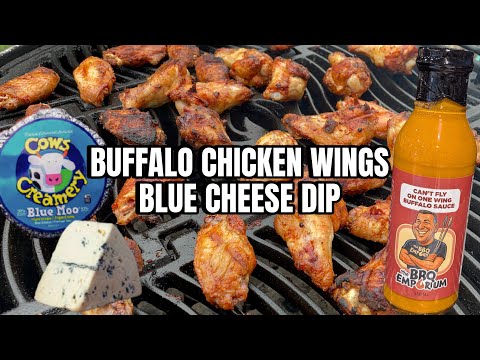 Chicken
4:51
Chicken
4:51
Crispy charcoal-grilled buffalo wings tossed in a bold buffalo sauce, served with an easy homemade blue cheese dip.
View recipe →