Saucy Rossy BBQ
Chicken

Beer-Battered Smoked Wings

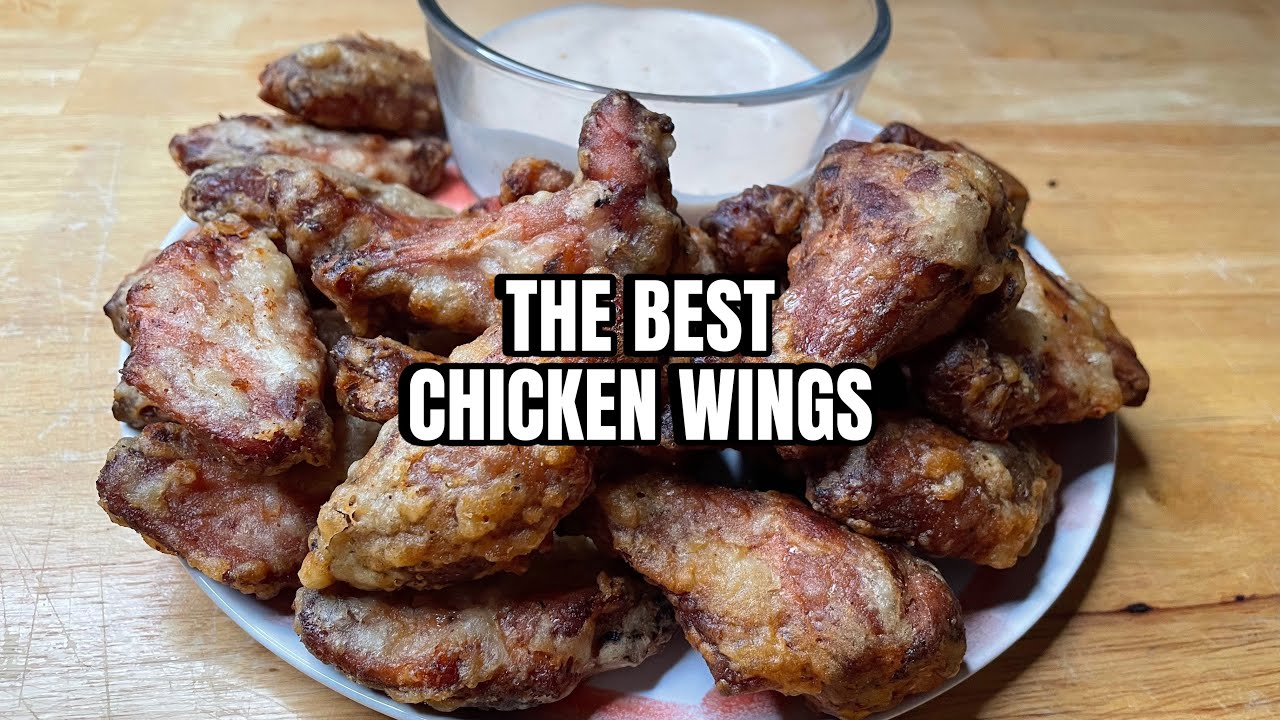
Chicken wings smoked for flavour, then dunked in a Nova Scotia lager beer batter and shallow-fried to crispy perfection.
Time~1.5 hrs smoke + fry Prep20 min YieldServes 4 as an appetizer CategoryChicken Watch4:31
Beer-Battered Smoked Wings — watch on YouTube

Watch the full cook on YouTube

Method

  1. 1Season the wings with your favourite BBQ dry rub and smoke on an offset at 275°F for about 1.5 hours.Pat them dry and season all over first. 275°F rather than 225°F is deliberate — it renders the skin fat properly, and since the wings are going into batter later there is no need to protect a crisp skin at this stage. Smoke until they reach about 180°F internal. Any mild wood works; apple, cherry or maple are all good on chicken.
  2. 2Make the batter: whisk together the can of Coldstream lager, flour, baking powder, salt, and pepper until smooth.Use the beer straight from the fridge and mix only until it just comes together — a few lumps are fine. Overmixing develops gluten and gives you a tough, bready coating instead of a light one. Keep the bowl cold; the temperature difference between cold batter and hot oil is what makes it puff.
  3. 3Dip each smoked wing in the batter to fully coat, then shallow-fry until crispy and golden.Chill the smoked wings first if you can — a cold wing lets the batter set before the chicken overcooks, and warm wings make the batter slide off. Oil at 350–375°F, and fry in small batches so the temperature does not crash. Two to three minutes is all it needs; the wings are already cooked, so this is purely about the crust.
  4. 4Serve with a simple spicy ranch.Get them out of the oil onto a wire rack rather than paper towel — paper traps steam underneath and softens the bottom of the batter. Season them with a pinch of salt while they are still glistening, when it will actually stick.

Watch it on YouTube

What each ingredient is doing

Chicken wings
Whole or separated both work; separated pieces batter and fry more evenly. Because they are smoked first and fried second, they are fully cooked before the batter ever sees oil — which is why the fry is so short.
BBQ dry rub
Seasons the meat during the smoke. Keep it savoury rather than heavily sugared — sugar on the wing surface can catch during the fry. Whatever you use, remember the batter is seasoned separately, so this layer is about the meat.
Lager
Carbonation and alcohol are both doing work. The bubbles expand in hot oil and lighten the coating, and alcohol evaporates faster than water so the crust dries and crisps more quickly. Any cold carbonated liquid helps — beer also adds flavour. A lager keeps it clean; a stout would be heavier.
All-purpose flour
The structure of the batter. Swapping a quarter of it for cornstarch gives a lighter, crisper crust that holds longer, since cornstarch has no gluten to toughen up.
Baking powder
A chemical leavener that releases gas in the hot oil, puffing the batter and giving it that shattery texture. Not interchangeable with baking soda, which tastes metallic in this quantity.
Frying oil
Needs a high smoke point — canola, peanut, sunflower or vegetable. Enough to come halfway up the wings for shallow frying. Skip olive oil, which smokes well below the temperature you need here.

Temperature guide

StageTempWhat it means
Off the smoker180°F / 82°CThe wings are fully cooked at this point. Collagen has rendered and the meat is tender.
Oil temperature350–375°F / 175–190°CThe window. Below it the batter absorbs oil and goes greasy; above it the outside browns before it sets.
Fry time2–3 minutesPurely for the crust — the chicken inside needs nothing. Pull when golden and the bubbling slows.
Serve within20 minutesFried batter starts softening after that. This is a cook-and-eat dish, not a make-ahead one.

Pitmaster tips

  • Chill the smoked wings before battering. Warm wings make the batter slide off, and a cold wing going into hot oil gives the batter time to set before the chicken overcooks.
  • Keep the batter genuinely cold and use the beer straight from the fridge. The temperature difference between cold batter and hot oil is what makes it puff and crisp rather than absorb.
  • Do not overmix the batter. A few lumps are fine — overworking develops gluten and gives you a tough, bready coating instead of a light one.
  • Beer works better than water for two reasons: the carbonation adds bubbles that expand in the oil, and alcohol evaporates faster than water, so the crust dries and crisps more quickly.
  • Get the oil to 350–375°F and use a thermometer. Guessing is how batter comes out greasy — cold oil is absorbed rather than repelled.
  • Fry in small batches. Every wing you add drops the oil temperature, and a crowded pan crashes it straight out of the working window.
  • Drain on a wire rack, not paper towel. Paper traps steam under the wing and softens the bottom of the crust while the top stays crisp.
  • Salt them the moment they come out of the oil, while the surface is still glistening and salt will actually stick.
  • Swap a quarter of the flour for cornstarch if you want a lighter, longer-lasting crust — cornstarch has no gluten to toughen.
  • The wings are already cooked when they go into the oil, so if the batter is golden, they are done. Do not fry to a temperature you have already reached.

If it goes wrong

The batter fell off in the oil
The wings were wet or warm. Pat them dry and chill them before battering, and let excess batter drip off for a second before the wing goes in. A very thin batter also struggles to hold — it should coat the back of a spoon.
The coating is greasy rather than crisp
The oil was too cool, or you crowded the pan. Get it back to 350–375°F between batches and fry fewer wings at a time.
The crust is tough and bready
The batter was overmixed, or it sat too long and lost its carbonation. Mix until just combined, leave lumps, and use it within about 15 minutes of making it.
The outside browned before it crisped
The oil was too hot. Above about 375°F the surface colours before the batter has time to dry out and set. Drop the temperature and give it the full two to three minutes.
They went soggy within minutes
They were stacked or drained on paper. Use a wire rack in a single layer, and serve straight away — battered wings are a make-and-eat dish.

Ways to change it up

Spicy batter
Add a teaspoon of cayenne and a teaspoon of smoked paprika to the dry ingredients. Seasoning the batter itself works better than saucing afterwards, which softens the crust you just built.
Cornstarch crust
Replace a quarter of the flour with cornstarch for a lighter, shatteringly crisp coating that holds up longer on the plate.
Gluten-free
Use a rice flour and cornstarch blend with the same baking powder and cold beer, or a gluten-free lager. Rice flour actually fries crisper than wheat flour.
Buffalo-battered
Serve with buffalo sauce on the side rather than tossing them in it. Tossing a battered wing in sauce destroys the crust within a minute — dipping keeps both intact.
Skip the fryer
Spray the battered wings generously and air fry at 400°F for 12–15 minutes. Not the same as deep-frying, but far less oil and considerably less mess.

What to serve it with

  • Spicy ranch for dipping, as the recipe suggests — a thin sauce that will not soften the crust.
  • Sauces on the side rather than tossed, so the batter stays crisp.
  • A sharp, vinegary slaw to cut through what is a genuinely rich dish.
  • Cold lager — the same one that went into the batter, ideally.
  • Pickles or pickled peppers; acid is what this needs alongside all that fried richness.

Storage & reheating

Battered fried wings are a make-and-eat item; the coating starts softening within about 20 minutes and there is no way around that. Leftovers keep 2–3 days refrigerated and reheat best in a 400°F oven or air fryer for 8–10 minutes, which recovers a fair amount of the crunch. Never microwave them — the batter goes soft and oily immediately.

The better make-ahead route is to split the recipe. Smoke the wings up to three days in advance and refrigerate them, then batter and fry to order. That is the slow half done in advance and the fast half done fresh, which is exactly the right way round.

Smoked, unbattered wings also freeze for about three months. Freeze them in a single layer then bag them, thaw overnight in the fridge, and batter and fry from cold — which is the ideal state for battering anyway.

FAQ

Why smoke wings before frying them?

Frying alone gives you crunch but no depth. The smoke phase cooks the wings through and puts flavour into the meat, then the fry is purely about the crust — two or three minutes rather than a full cook. It also means you can smoke ahead and fry to order, which is the real practical advantage.

Why use beer in the batter instead of water?

Two reasons. The carbonation introduces bubbles that expand in the hot oil and lighten the coating, and the alcohol evaporates faster than water does, so the crust dries out and crisps more quickly before the food inside overcooks. Any cold carbonated liquid helps; beer also adds flavour.

What oil temperature should I fry at?

350–375°F. Below that the batter absorbs oil and goes greasy instead of crisping; much above and the outside browns before it has set. Fry in small batches, because adding too many cold wings at once drops the oil straight out of that window.

Can I make these ahead for a party?

Smoke the wings up to three days ahead and refrigerate them, then batter and fry just before serving. Fried batter softens within about 20 minutes, so frying ahead does not work — but the slow half of the recipe is exactly the half you can do in advance.

Why did my batter fall off?

Wet or warm wings. Pat them dry and chill them properly before battering — a cold, dry surface is what the batter grips. Letting the excess drip off for a second before the wing goes into the oil also helps it set cleanly.

Do I need a deep fryer?

No. Shallow frying in a heavy pan with oil coming halfway up the wings works fine, as this recipe does — you just turn them once. A thermometer matters far more than the vessel; without one you are guessing at the single most important variable.

Know your cook

More information, cause recipe back stories are stupid

No 500-word life story — just the good-to-know stuff on what’s actually in this cook. Here’s the rundown on every real ingredient, health and nutrition wise.

Chicken
Chicken is a lean, versatile source of complete protein, B vitamins (especially niacin and B6), and selenium. Skinless breast is leanest; thighs and skin add flavour and a little more fat. Always cook poultry to a safe 165°F.
Beer
Beer adds malt flavour and helps tenderize and steam in barbecue, and most of the alcohol cooks off with heat. As a drink, it's best enjoyed in moderation.
Salt
Salt is essential for seasoning and, in brines and cures, for texture and safety — but sodium adds up fast in BBQ. Season with intention and balance salty cooks with fresh sides.

General nutrition info only, not medical or dietary advice — portions, brands and add-ons change the numbers.

← All recipes  ·  All 33 chicken recipes