What Ross found on the list
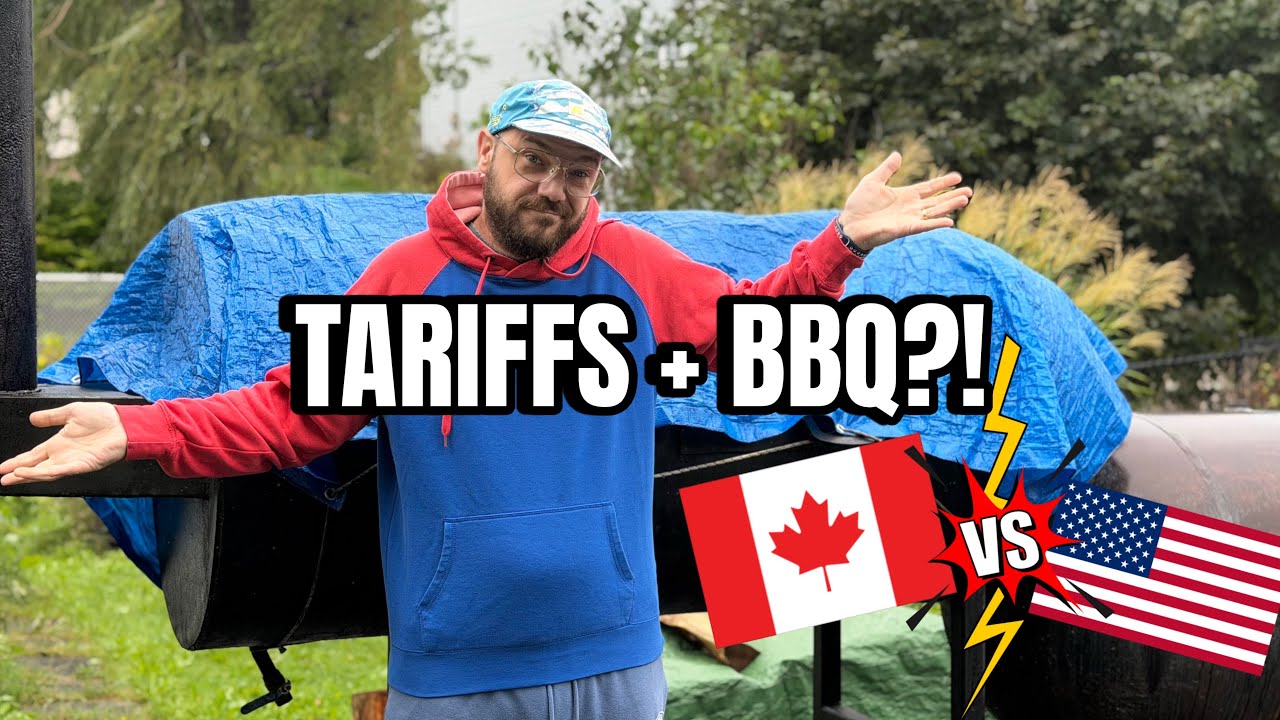
In a video posted in early September 2026, Ross looked at a new round of Canadian counter-tariffs set to come into effect on September 8, 2026. Reading through the official government list, one item stopped him: barbecues. According to Ross, certain U.S.-origin barbecues and barbecue parts are included, at a tariff rate of 25% for qualifying products.
He is clear about why he raised it. It is not a political video, and he does not care which government anyone supports or who is right. As he puts it, he is a barbecue guy, and the question he wants answered is what this will actually cost Canadians when they go to fire up the grill.
That framing carries through the whole video. Tariffs usually get discussed as a big economic term; Ross brings it down to the things a backyard cook actually buys, a new grill, replacement parts, accessories, rubs and sauces, charcoal and pellets, and asks what happens to each.
Why it will not simply be 25% on every grill
Ross is careful not to overstate it. He is not saying every barbecue in Canada is about to cost 25% more, and he says plainly that is not what the measure means. The tariff applies to qualifying goods that originate in the United States, and there are a lot of factors between a manufacturer and a customer standing in a store with a credit card, so the actual price change could be different.
He sets out the reasons. There is stock already in stores and existing inventory. Some barbecue products are made in Canada, and others are made in countries other than the U.S. And businesses have different ways of dealing with increased costs. So he does not expect anyone to walk into a Canadian store on September 8 and see every barbecue jump by 25%.
His conclusion is a cautious one. There is a good chance some parts of the barbecue hobby could become more expensive, but exactly how is the part nobody knows yet. He plans to watch what happens to prices over the following months, with an eye on grills, replacement parts, sauces and seasonings, and on whether Canadians start buying more Canadian-made barbecue products.
Canadian-made grills and smokers
The part Ross finds most interesting is what is made at home. He points to Napoleon, a Canadian company that started in Canada and still manufactures barbecues in Ontario, with specific lines made here. He also names Black Earth Grills, which makes its grills in Manitoba, and includes Broil King on his list of Canadian barbecue companies.
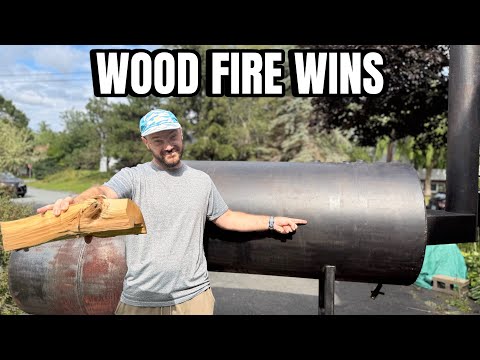
Barbecue is not only gas and pellet grills, and Ross makes a point of the custom offset builders working in Atlantic Canada and across the country, building big, heavy-duty smokers for people who are serious about cooking. He names R&R Smokers in New Brunswick and Back Forty Smoke Co. in Nova Scotia, which builds custom offsets in his home province. His own offset, under its cover for the video because of the rain, was built in the Maritimes.
His point is that a serious barbecue pit does not have to come from outside Canada. Some of these smokers, in his words, are a work of art, and he suggests taking the time to look them up.
Sauces, rubs and the honest caveat
The grill is only one part of barbecue, and Ross turns next to everything else: sauces, rubs, seasonings, accessories, charcoal and pellets. Here he points to Atlantic Canadian makers. Maritime Madness, in Prince Edward Island, makes sauces, hot sauces and seasonings from scratch in P.E.I. and uses Canadian-made bottles, caps and labels. Royal Nova Company, from Quispamsis, New Brunswick, makes sauces, spices, barbecue rubs and jerky. He also names Halifax Hot Honey.
These are not names pulled from a search. Ross regularly cooks with these products, and they appear throughout the recipes on this site alongside other Atlantic Canadian barbecue companies.
He is also honest about the limits. Buying Canadian does not mean you will not be affected, because a Canadian company can still use materials or components from other countries. His point is simpler: Canadian consumers have choices, and he would like to see more Canadian barbecue companies get attention, not as a political statement and not because everything has to be Canadian, but because there is good product here.
He ended by asking viewers what they had noticed, whether grills, rubs, sauces, charcoal or pellets had gone up, so he could keep track and come back to the question in a few months.